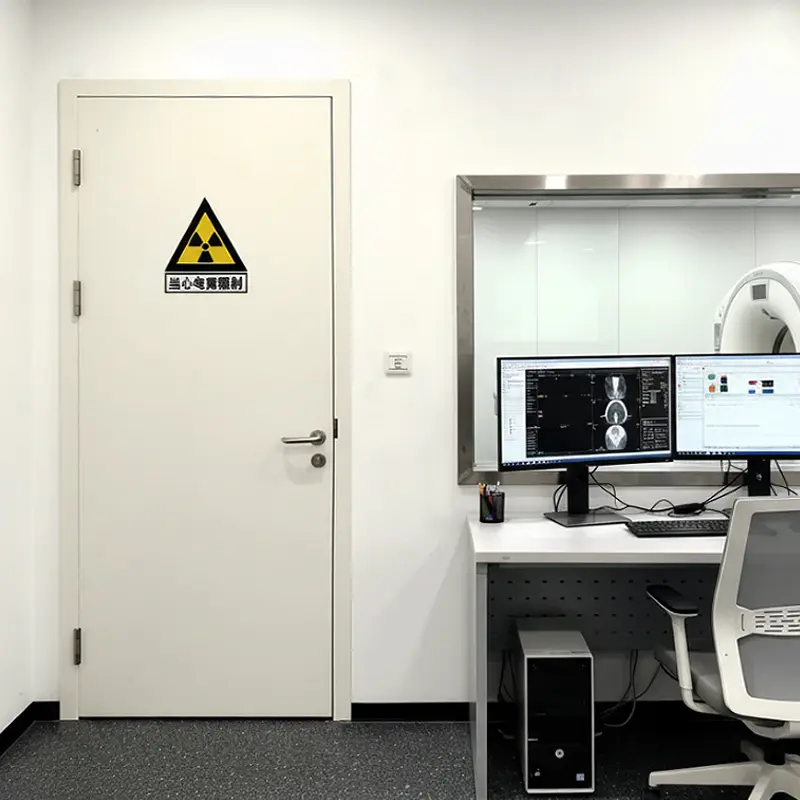
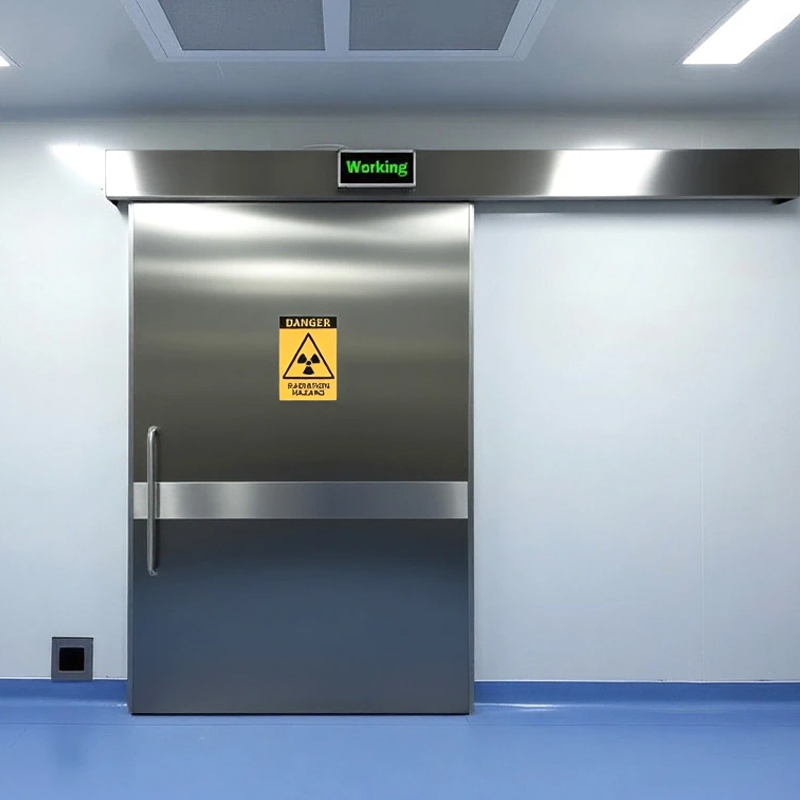
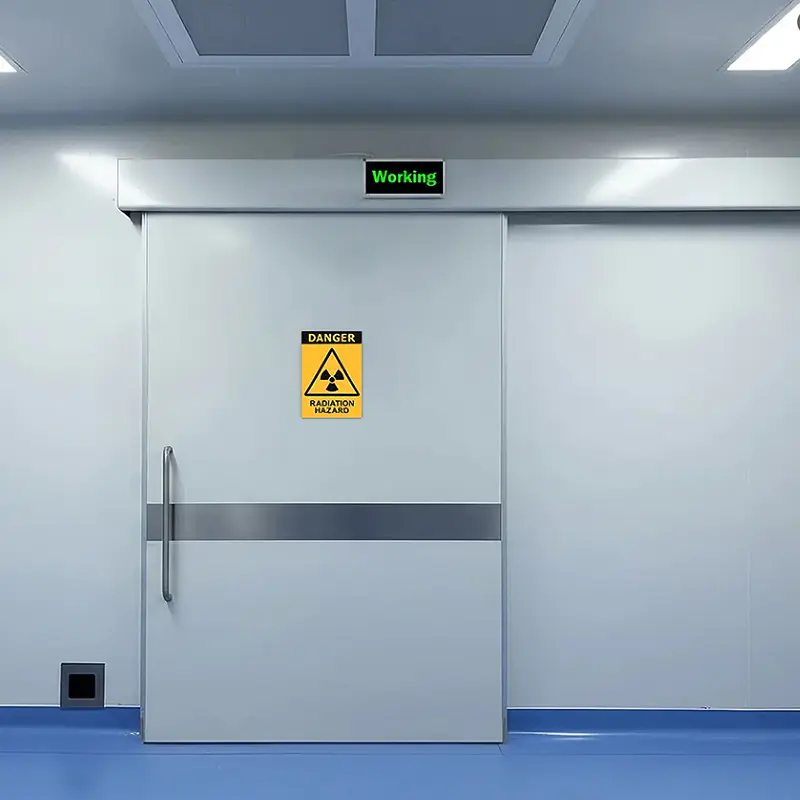
Healthcare environments require specialized infrastructure to maintain hygiene, safety, and smooth operational flow. Among the many architectural components used in hospitals and clinics, medical doors play a crucial role. These doors are designed to support infection control, durability, accessibility, and patient privacy while allowing medical staff to move efficiently between spaces.
From operating rooms and laboratories to patient wards and consultation areas, doors in healthcare facilities must meet higher standards than those used in ordinary buildings. Their materials, construction, and surface finishes are carefully selected to support the demanding conditions of medical environments.
The Importance of Medical Doors in Healthcare Facilities
Medical doors serve several functions that contribute to the daily operation of healthcare spaces. Unlike standard doors, they must support strict hygiene protocols and frequent use.
Some of the primary purposes include:
- Maintaining controlled environments in critical areas
- Supporting infection control practices
- Providing smooth access for staff, patients, and equipment
- Enhancing privacy and acoustic control
- Contributing to the overall safety of the facility
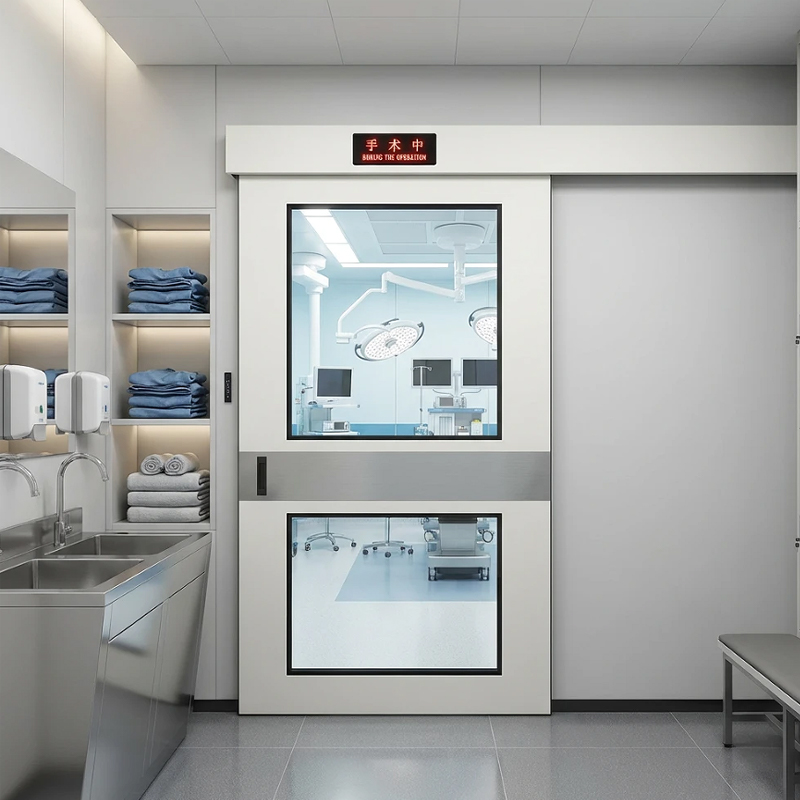
In areas such as operating rooms or isolation wards, doors may also help regulate airflow and reduce contamination risks. Their performance can influence how effectively a healthcare facility manages cleanliness and workflow.
Key Design Requirements for Healthcare Doors
Designing doors for healthcare environments involves careful attention to both function and usability. Medical doors must support the routines of doctors, nurses, patients, and maintenance teams while maintaining reliability under constant use.
Hygiene-Friendly Surfaces
Smooth and non-porous surfaces are often preferred in medical environments. These surfaces help reduce the accumulation of dust, bacteria, and other contaminants. Doors designed for healthcare facilities are commonly finished with materials that allow frequent cleaning without deterioration.
Durability Under Frequent Use
Hospital corridors experience continuous movement of people, wheelchairs, stretchers, and medical equipment. Medical doors therefore require strong structural integrity and surfaces that resist scratches, dents, and wear.
Accessibility and Ease of Operation
Ease of access is another important factor. Doors in healthcare facilities are often designed to allow smooth opening, whether manually or automatically. Wide openings are typically included to accommodate patient transport equipment.
Noise Reduction
Quiet environments are valuable in patient recovery areas. Medical doors may include features that help reduce noise transmission between rooms, supporting a more comfortable atmosphere for patients and healthcare professionals.
Common Materials Used in Medical Doors
Material selection is a key aspect of healthcare door design. Each material offers distinct characteristics related to durability, maintenance, appearance, and functionality.
Different types of medical facilities may choose materials based on the requirements of specific departments.
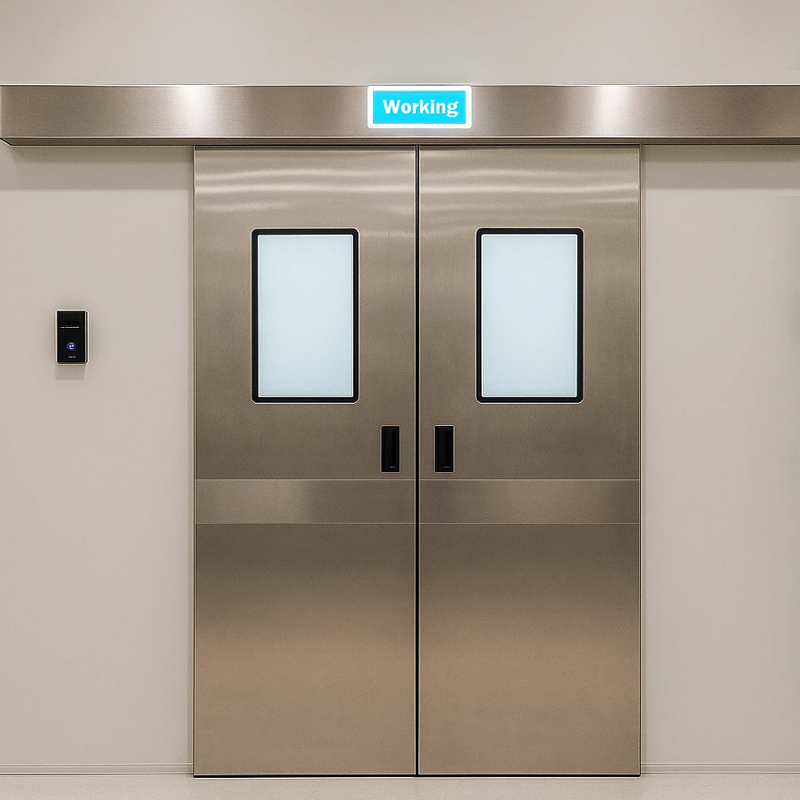
Steel Medical Doors
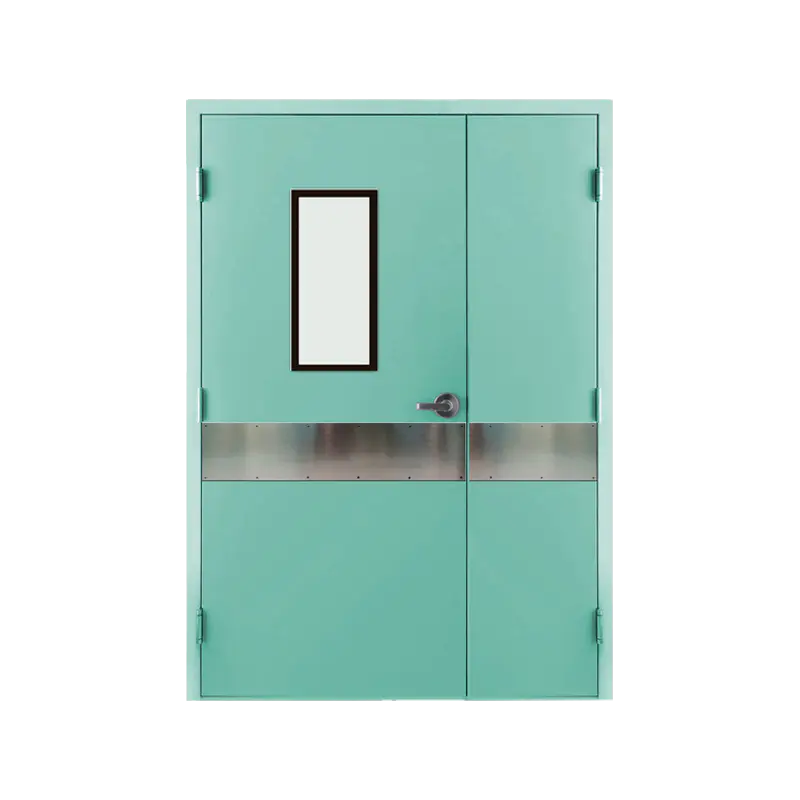
Steel Medical Doors are commonly used in healthcare environments where strength and durability are important considerations. Steel construction provides a sturdy structure capable of withstanding heavy daily use.
Structural Strength
Steel doors can maintain their shape and stability even when exposed to repeated impacts from equipment such as hospital beds and carts. Their structural strength allows them to perform reliably in busy corridors and service areas.
Hygienic Surface Options
Steel surfaces are often finished with coatings that support regular cleaning. These finishes may help maintain cleanliness in environments where sanitation procedures occur frequently.
Suitable Applications
Steel doors may be used in several areas of healthcare facilities, including:
- Service corridors
- Storage areas
- Laboratories
- Mechanical rooms
In these spaces, the emphasis is often on reliability and long-term performance.
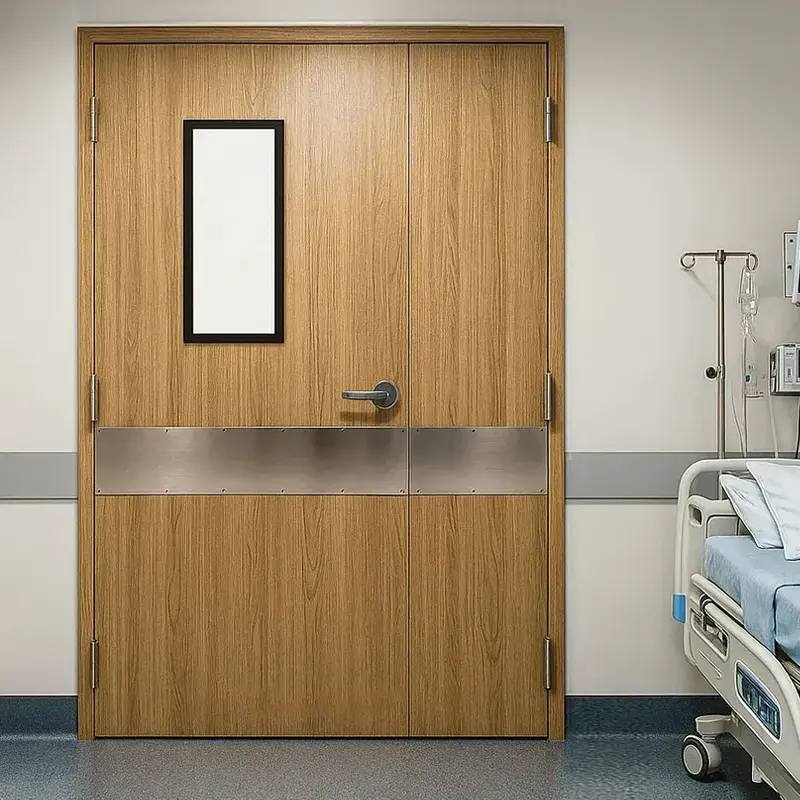
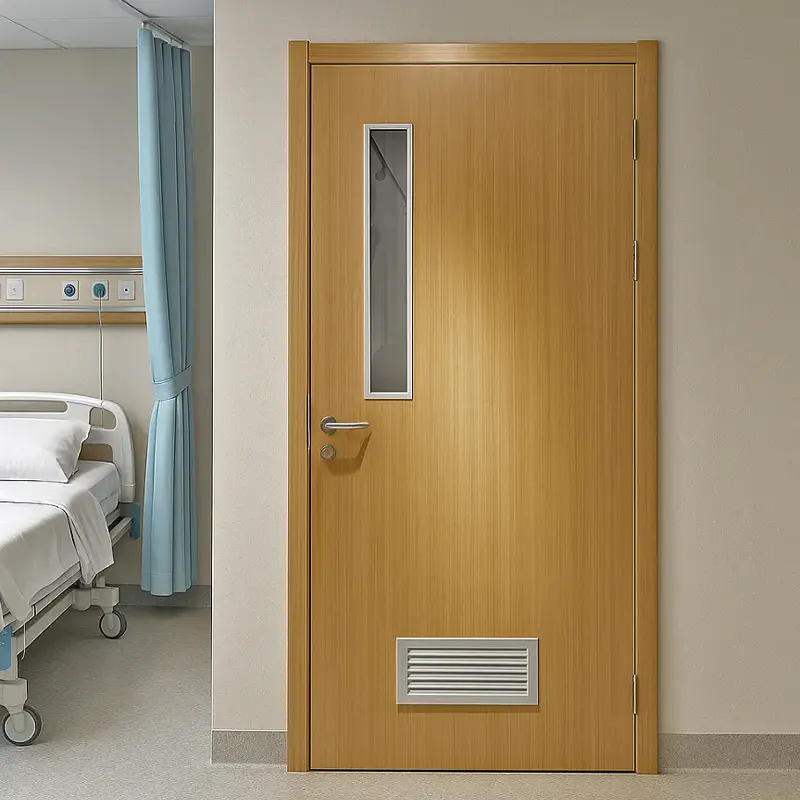
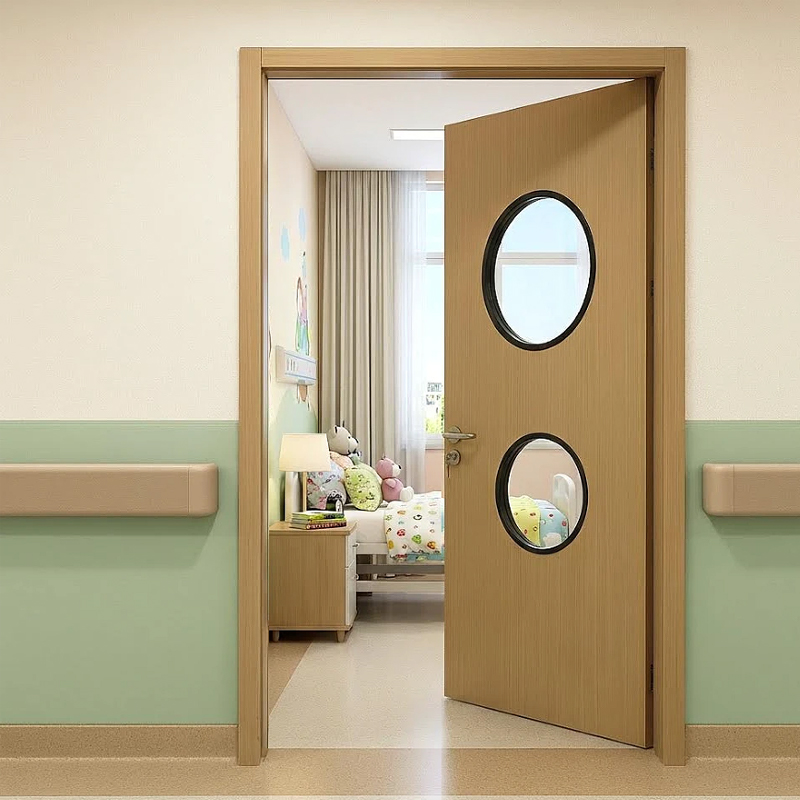
Wooden Medical Doors
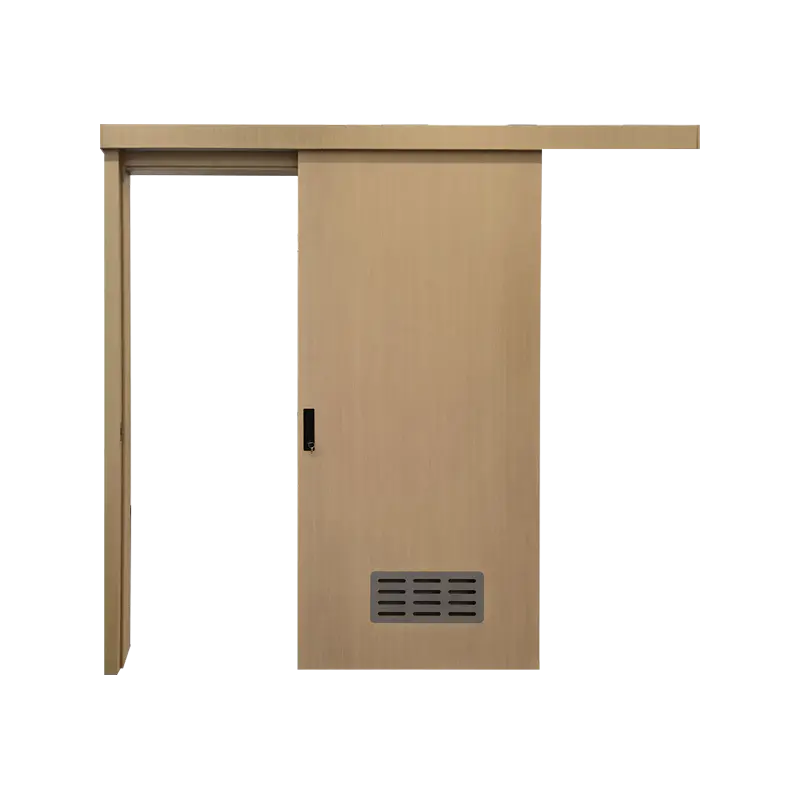
Wooden Medical Doors are frequently chosen for areas where visual warmth and comfort are important. Wood-based materials can contribute to a welcoming atmosphere for patients and visitors.
Aesthetic Appeal
Healthcare facilities often aim to create spaces that feel less clinical and more comfortable. Wooden doors can introduce natural tones and textures that support a calming environment.
Versatility in Design
Wooden doors can be produced in a range of finishes, allowing them to match different interior styles. This flexibility helps architects maintain consistent design themes throughout healthcare buildings.
Typical Use Areas
Wooden doors are commonly found in:
- Patient rooms
- Consultation rooms
- Administrative offices
- Waiting areas
In these spaces, the balance between functionality and appearance becomes particularly important.
Resin Medical Doors
Resin Medical Doors are another option used in healthcare environments that prioritize hygiene and resistance to moisture. Resin-based materials often provide smooth surfaces and durability under regular cleaning routines.
Resistance to Moisture
Medical environments frequently involve cleaning processes that include water and disinfectants. Resin materials are often selected for their ability to perform reliably in these conditions.
Smooth and Seamless Surfaces
Resin doors may feature seamless surfaces that reduce the potential for dirt accumulation. This characteristic can support cleaning procedures and help maintain sanitary conditions.
Application Areas
Resin doors may be suitable for areas such as:
- Treatment rooms
- Clean rooms
- Sterile preparation areas
- Utility spaces
These environments require materials that can support consistent sanitation practices.
Hygiene and Infection Control Considerations
In healthcare environments, infection control is a top priority. Medical doors contribute to these efforts through their design and materials.
Several features may support hygiene management:
- Smooth surfaces that allow easy cleaning
- small joints or seams where contaminants could collect
- Materials compatible with disinfectants
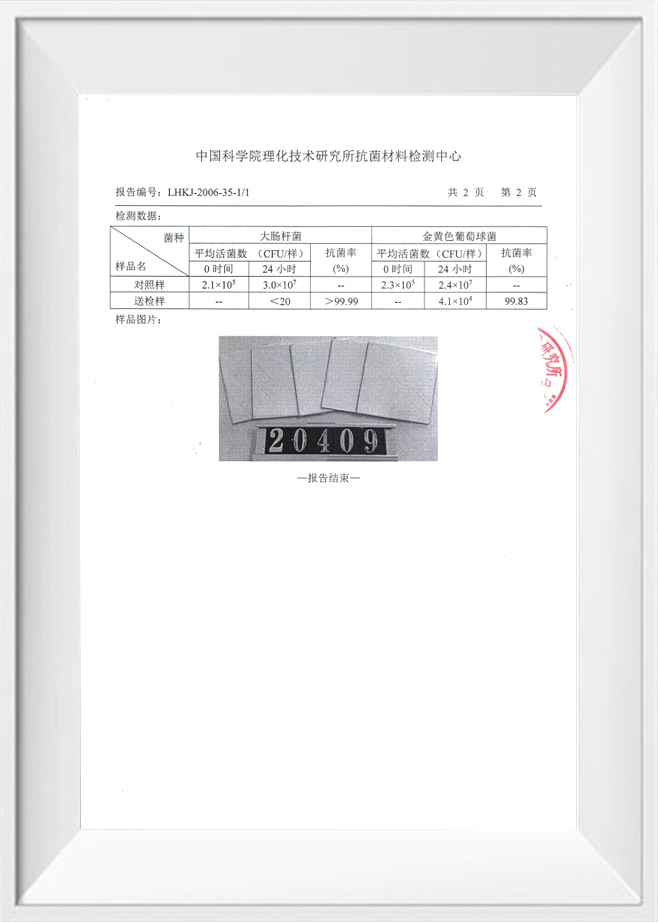
Optional antimicrobial finishes
Regular maintenance and proper cleaning procedures also play a role in maintaining door performance over time.
Safety and Accessibility Features
Medical doors are often designed to support safety for both patients and healthcare staff. This includes features that reduce potential hazards and improve usability.
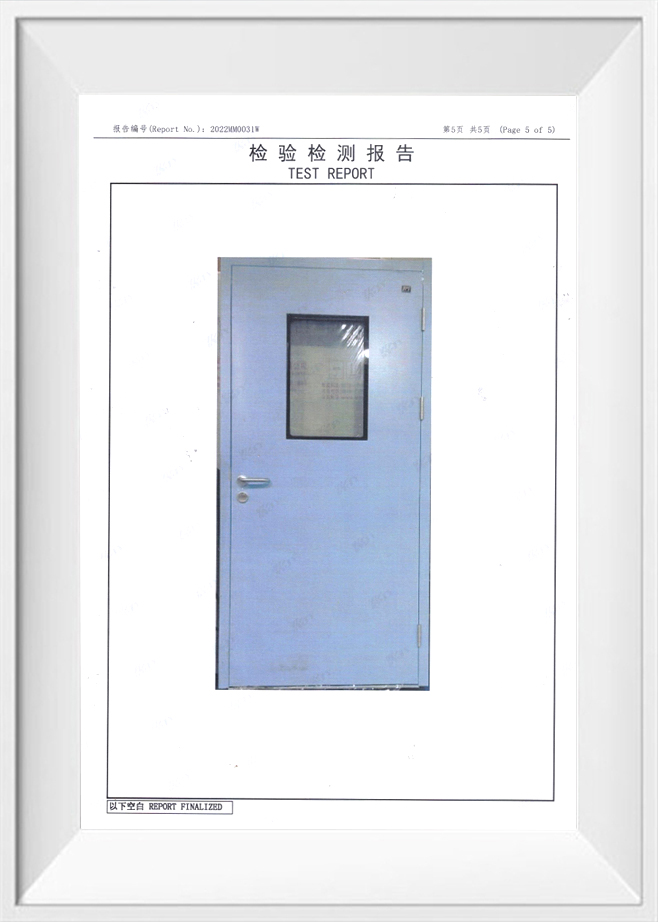
Vision Panels
Some doors include transparent panels that allow staff to observe activity in adjacent rooms without opening the door. This feature can help improve workflow and monitoring.
Impact Protection
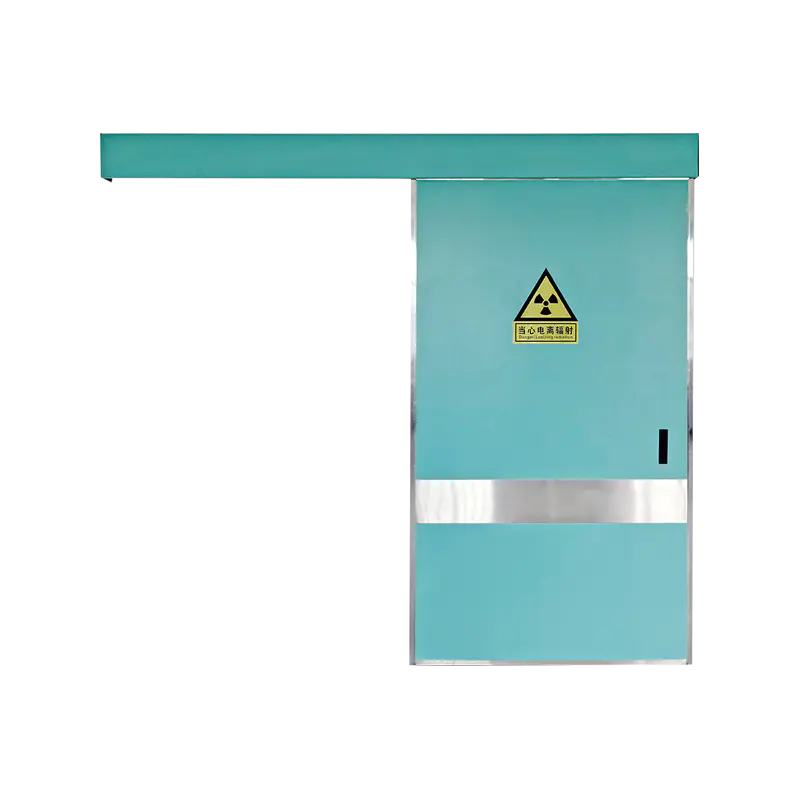
Protective plates or reinforced areas may be added to doors in locations where equipment frequently passes through. These additions help extend the lifespan of the door surface.
Smooth Edges and Hardware
Healthcare doors are typically designed with smooth edges and accessible handles to reduce the risk of injury and ensure easy operation for people with different mobility levels.
Medical doors are an essential element of healthcare infrastructure. Their design must support hygiene, durability, accessibility, and patient comfort across a wide range of medical environments.

 English
 Español