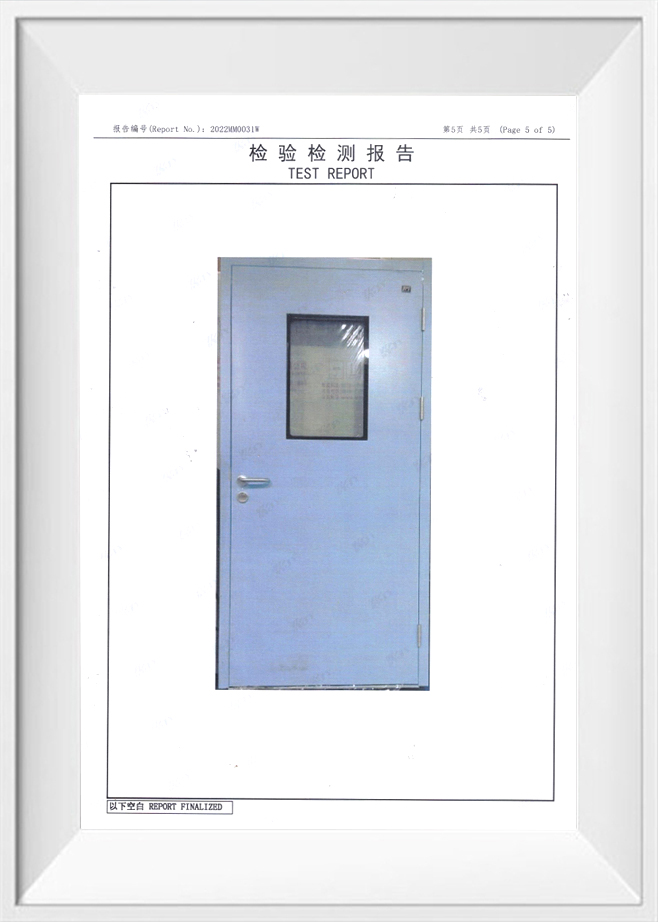
School dormitory doors are crucial components connecting dormitory rooms to common corridors. They not only serve a daily passageway function but also relate to spatial separation, privacy protection, and structural stability. School dormitory doors primarily function as dormitory room entrances, connecting interior spaces with common areas. Their design needs to meet high-frequency usage requirements while also considering durability and space management.
Common functions include:
- Controlling dormitory entrances and exits
- Providing basic privacy protection
- Separating personal and public spaces
- Supporting frequent daily opening
- Compliant with dormitory management requirements
In some university buildings, University Dorm Room Doors are used to emphasize standardized design of student accommodation units.
Material Types and Structural Characteristics
The choice of materials for school dormitory doors is usually determined based on the building environment and usage requirements. Common materials include wood structures, composite materials, and steel structures.
Dormitory steel doors typically use steel plates as the main material, combined with an internal filling layer to enhance overall stability. Its features include:
- Relatively stable structure
- Suitable for high-frequency use environments
- Various surface treatments available
- Relatively simple maintenance
- Suitable for public dormitory areas
This type of door is common in student dormitory buildings, especially suitable for floors with high personnel traffic.
Application Scenarios of University Dorm Room Doors
University Dorm Room Doors are typically used for entrances to single or multi-room dormitories in university student dormitories. Their design must balance ease of use with spatial harmony.
Application features include:
- Supports frequent daily opening
- Can be configured with an observation window
- Easy to clean and maintain
- Coordinates with the overall dormitory style
- Adapts to different dormitory layouts
In actual building planning, this type of door is usually used in conjunction with corridor structures and public facility systems.
Comparison Table of Different Types of School Dormitory Doors
The following is a basic comparison of common School Dormitory Door types:
| Type |
Material Structure |
Applicable Area |
Features |
| Wooden Door |
Wood or composite materials |
Ordinary dormitory rooms |
Natural appearance, suitable for indoor environments |
| Dormitory Steel Door |
Steel structure |
Public dormitory areas |
Good stability, high usage frequency |
| University Dorm Room Door |
Standardized structure |
University dormitory units |
Emphasis on space management and practicality |
| Structure with Observation Window |
Door body + glass assembly |
Corridor entrance |
Facilitates observation of the interior |
As can be seen from the comparison, different structural forms are suitable for different dormitory environments, and the choice should be based on actual needs.
Design Principles and Planning Points
When designing a School Dormitory Door, it is necessary to comprehensively consider the building layout, personnel flow, and usage frequency. A reasonable design helps to improve the overall user experience.
Design recommendations include:
- Define the door opening direction
- Select an appropriate door thickness
- Ensure a secure connection between the door frame and the wall
- Select materials based on usage frequency
- Configure a suitable hardware system
Dormitory Steel Doors are common in high-frequency use areas, therefore structural stability should be a focus during the design phase.
Installation Process and Precautions
Proper installation significantly impacts the usability of the School Dormitory Door. During construction, ensure the door structure matches the wall.
Installation Points:
- Maintain door frame vertical and horizontal
- Adjust door gaps
- Check hinge fixation
- Test opening and closing smoothness
- Confirm lock installation location
For University Dorm Room Doors, ensure the door operates smoothly after installation.
Maintenance and Daily Management
Regular inspection and maintenance are required to maintain the proper functioning of the School Dormitory Door.
Routine maintenance includes:
- Cleaning the door surface
- Checking the condition of hardware
- Testing the lock function
- Observing for door deformation
- Checking the tightness of door seams
On high-traffic floors, Dormitory Steel Doors may require more regular inspections.
Environmental Factors
Factors affecting the performance of School Dormitory Doors include:
- Usage frequency
- Material quality
- Installation precision
- Dormitory environment humidity
- Building structural conditions
When used in densely populated student areas, University Dorm Room Doors should ensure structural stability and ease of daily operation.
School Dormitory Doors serve a role in space division and daily management in student accommodation environments. A well-designed door layout helps improve the operational efficiency of dormitory areas.
Common application areas include:
- Single dormitory entrance
- Double dormitory entrance
- Multi-person dormitory rooms
- Floor common areas
- Dormitory management spaces
Dormitory Steel Doors are commonly used in common dormitory areas, while University Dorm Room Doors are more often used in standardized student units.

 English
 Español