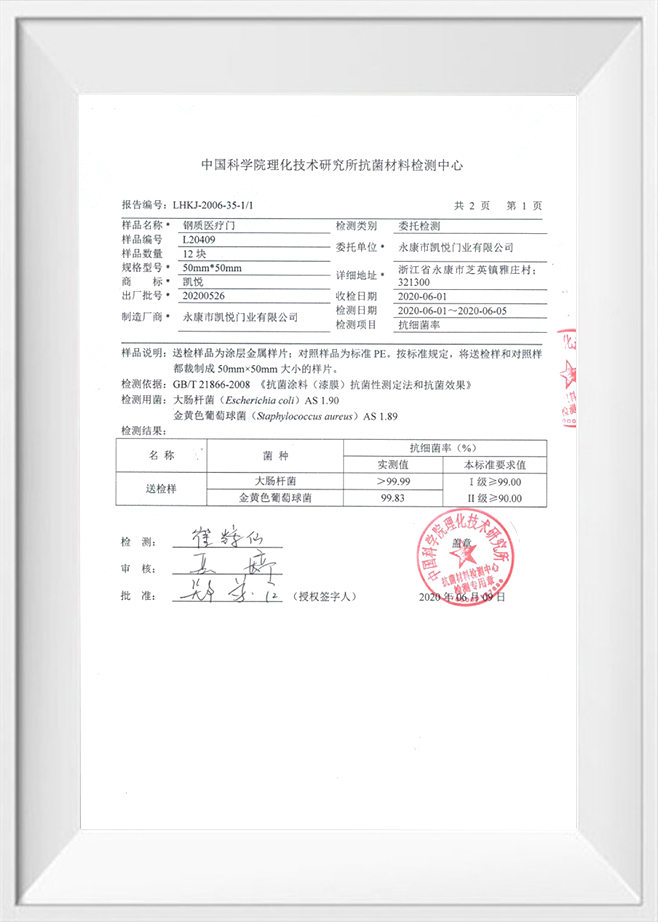
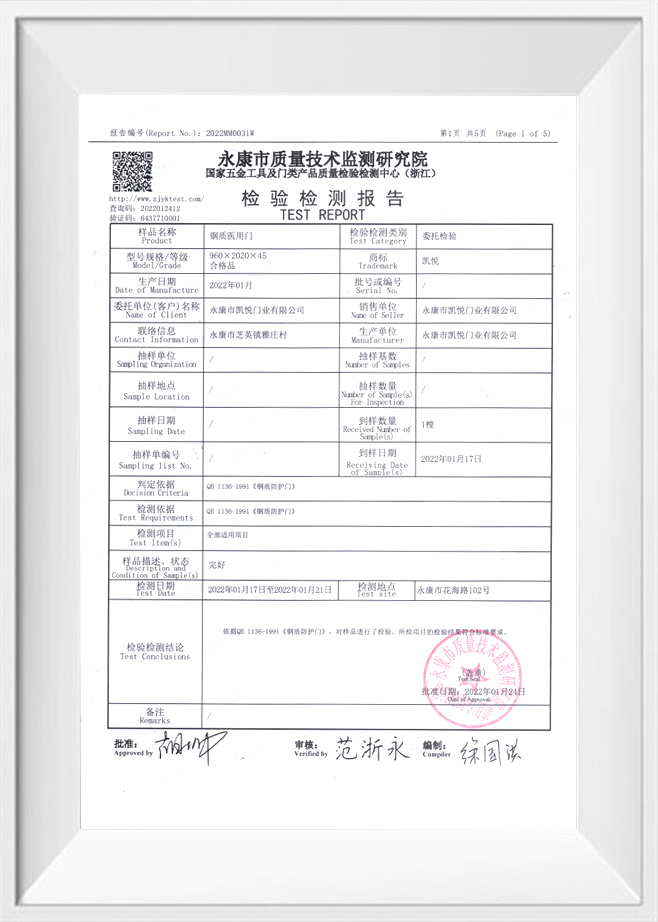
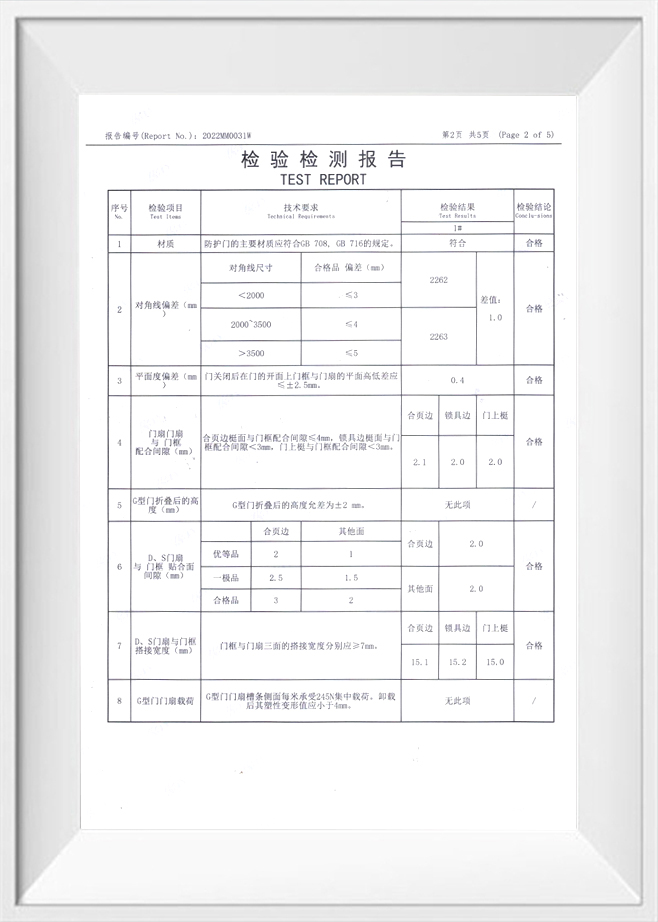
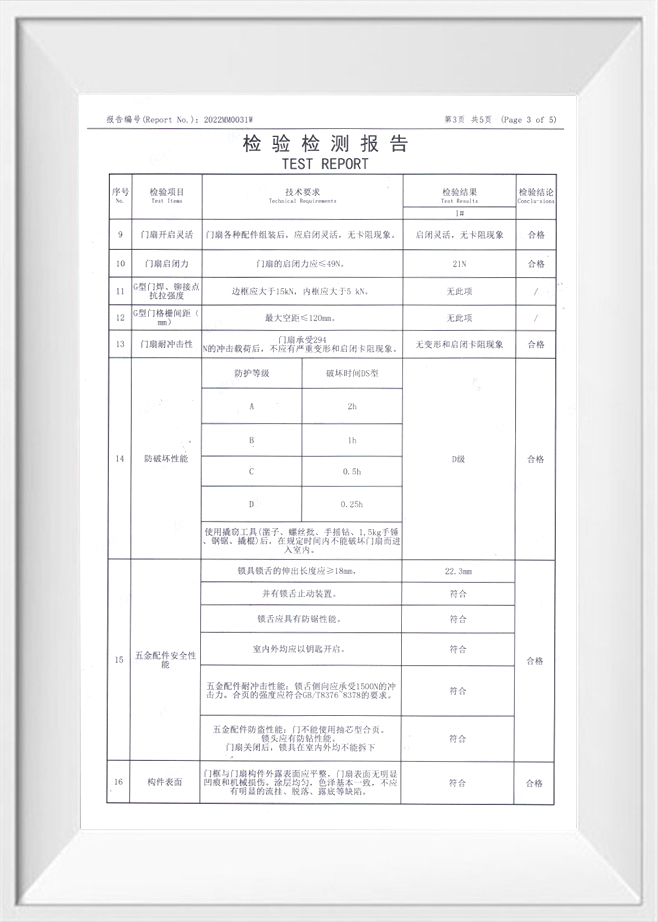
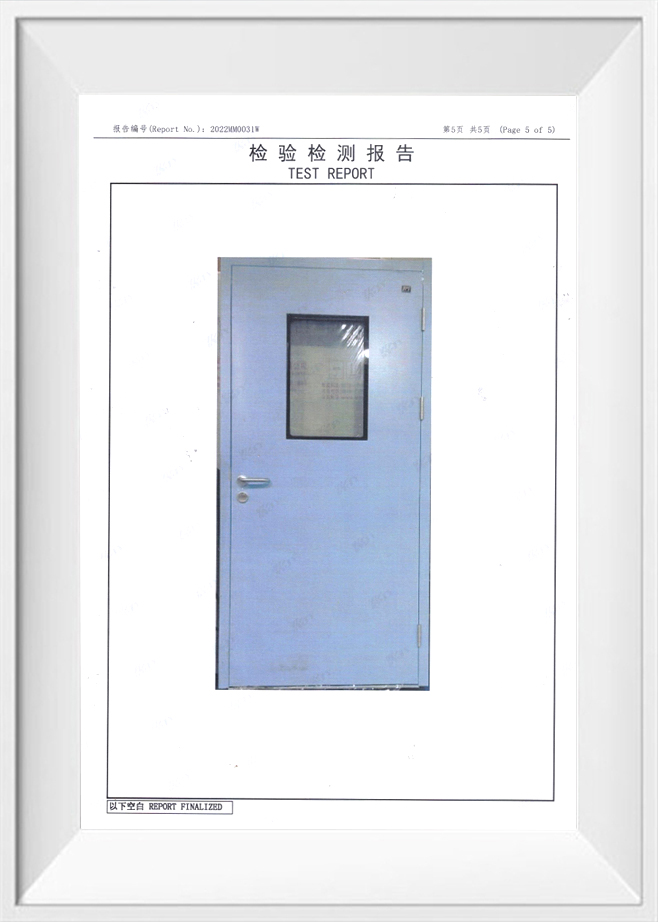
Operating room doors, as crucial partitions between the operating room and the external space, play a vital role in air management, personnel flow control, and environmental isolation. A well-designed and configured door system helps maintain stable operating conditions in the surgical area.
Operating room doors are primarily used to separate the entrance to the operating room and related functional areas. Their design aims to small air exchange, control personnel access, facilitate cleaning and maintenance, and coordinate with the overall building system.
Common functions include:
- Controlling access permissions
- Reducing airflow interference
- Supporting aseptic environment maintenance
- Facilitating quick opening and closing
- Integrating with automated control systems
In some medical projects, Medical Operating Theatre Doors are used to emphasize the dedicated nature of doors for the surgical area.
Structural Design Characteristics
Operating room doors typically employ corrosion-resistant materials and sealed structures to meet the cleanliness requirements of medical environments. The door structure must balance stability and frequency of use.
Common Structural Components:
- Main Door Structure
- Sealing Strip System
- Automatic Control Device
- Observation Window Assembly (Optional)
- Stainless Steel or Composite Material Frame
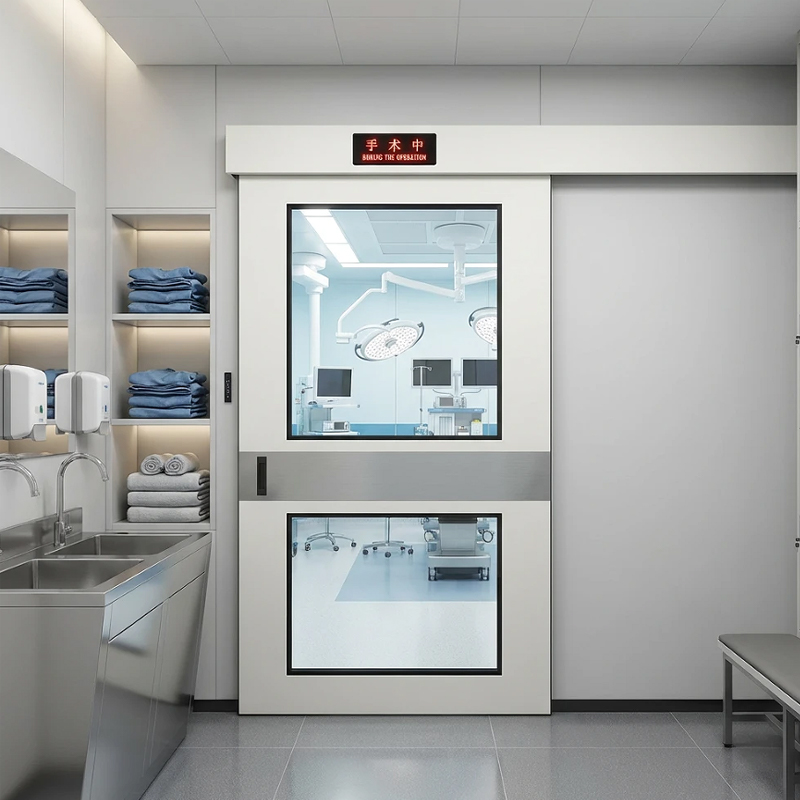
Operating Room Sliding Doors typically employ a sliding track design, suitable for areas with limited space or requiring a reduced opening radius.
Application Scenarios of Medical Operating Theatre Doors
Medical Operating Theatre Doors are commonly used at the main entrance of operating rooms. Their design must consider frequent personnel entry and exit as well as equipment movement needs.
Application Features include:
- Supports automatic opening function
- Easy-to-clean door surface
- Can be integrated with airtight structural designs
- Suitable for medical functional areas
- Coordinates operation with air control systems
In overall medical space planning, this type of door is often used in conjunction with a wider range of environmental control systems.
Characteristics of Operating Room Sliding Doors
Operating Room Sliding Doors are commonly used in areas with limited space or requiring efficient passage. The sliding structure reduces the space occupied during opening, making it suitable for corridors or equipment access routes.
Its main features include:
- Horizontal sliding opening mechanism
- Suitable for compact spaces
- Configurable with automatic sensing systems
- Helps reduce the risk of door collisions
- Easy to integrate with wall structures
In some surgical areas, Operating Room Sliding Doors can be used as main entrances or auxiliary passageways.
Comparison Table of Different Door Types
The following is a basic comparison of common Operating Room Door types:
| Type |
Opening Method |
Applicable Scenarios |
Structural Features |
| Hinged Door |
Opens inward or outward |
Standard operating room entrance |
Simple structure, good sealing |
| Operating Room Sliding Door |
Horizontal sliding |
Space-constrained areas |
Saves opening space |
| Medical Operating Theatre Door |
Automatic control |
Dedicated surgical areas |
Emphasis on environmental control |
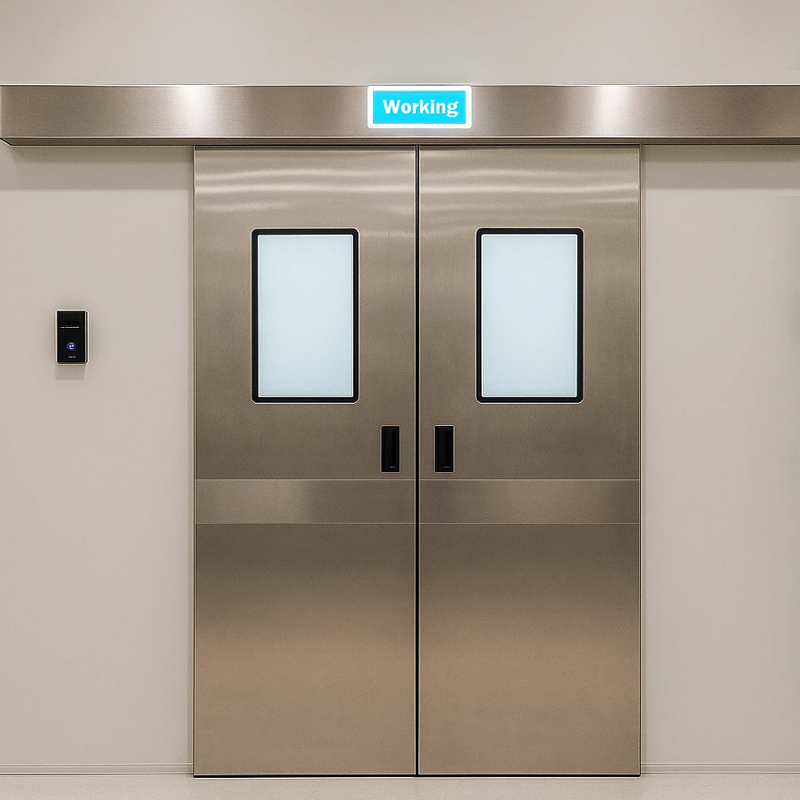
| Double Door Structure |
Double-leaf opening |
Equipment access area |
Larger passage width |
As can be seen from the comparison, different structures are suitable for different functional needs, and the choice should be made according to the actual space conditions.
Design and Planning Considerations
When designing Operating Room Doors, it is necessary to comprehensively consider medical processes and building structure. Reasonable planning helps improve overall operational efficiency.
Design recommendations include:
- Define the door opening direction
- Ensure a tight connection between the door frame and the wall
- Configure an automatic door closing mechanism
- Select easy-to-clean surface materials
- Allow space for equipment maintenance
Medical Operating Theatre Doors typically need to be designed in conjunction with the air conditioning system to maintain a stable environment in the surgical area.
Installation Requirements
The installation process has a significant impact on door performance. Precise installation helps maintain a stable sealing structure.
Installation Precautions:
- Ensure the tracks or hinges are installed level
- Check the door's levelness and plumbness
- Adjust the position of the weatherstripping
- Test the automatic opening function
- Confirm the stability of the closed state
For Operating Room Sliding Doors, special attention should be paid to the levelness and smooth operation of the track system.
Maintenance and Management
To ensure the proper functioning of Operating Room Doors, a regular maintenance plan is required.
Routine Maintenance:
- Clean the door surface
- Check the condition of the sealing strip
- Test the opening and closing system
- Check the hardware fixation
- Observe whether the door operates smoothly
In high-frequency use environments, Medical Operating Theatre Doors may require more frequent inspections.
Environmental Factors
Factors affecting the performance of Operating Room Doors include:
- Door material quality
- Sealing structure design
- Usage frequency
- Air control system compatibility
- Installation accuracy
The tracks of the Operating Room Sliding Door should be kept clean during operation to ensure stability.

 English
 Español