Healthcare doors are a type of door specifically designed for use in hospitals, clinics, and other medical buildings. They are primarily used to connect and divide different functional areas, such as wards, examination rooms, corridors, and medical staff work areas. Healthcare doors are typically designed with ease of access, space management, and daily maintenance needs in mind, therefore differing from ordinary building doors in size, structure, and materials. A well-designed healthcare door helps hospitals maintain good traffic flow, facilitates the entry and exit of beds, wheelchairs, and medical equipment, and provides a smoother environment for patients and medical staff.
Basic Functions of Healthcare Doors
Healthcare doors serve multiple functions in a hospital environment, and their design varies depending on the area. Generally speaking, their main functions include the following:
Hospitals contain multiple functional areas, such as treatment areas, inpatient areas, examination areas, and office areas. Doors clearly divide these spaces, thus maintaining the orderly operation of the medical environment.
Medical institutions experience a large number of people entering and exiting daily. A well-designed door layout helps control the flow of people, ensuring that patients, medical staff, and support personnel follow designated routes.
- 3. Environmental Maintenance
Medical environments require cleanliness and quiet. Doors can reduce noise transmission to some extent and help maintain the environmental conditions in different areas.
Door structures need to consider the needs of both patients and medical staff. For example, hospital beds, wheelchairs, or medical equipment need to pass through smoothly; therefore, door dimensions and opening methods need to be planned rationally.
Common Types of Healthcare Doors
In hospital buildings, medical doors can be categorized into various types based on their structural form and usage. Different types of doors have different characteristics in terms of space utilization and operation.
| Door Types |
Structural Features |
Applicable Areas |
| Hinged Doors |
Simple structure, easy installation |
Wards, offices |
| Double Doors |
Larger passageway |
Equipment access areas |
| Sliding Doors |
Space-saving |
Wards or examination rooms |
| Automatic Doors |
Convenient opening |
Hospital entrances or public areas |
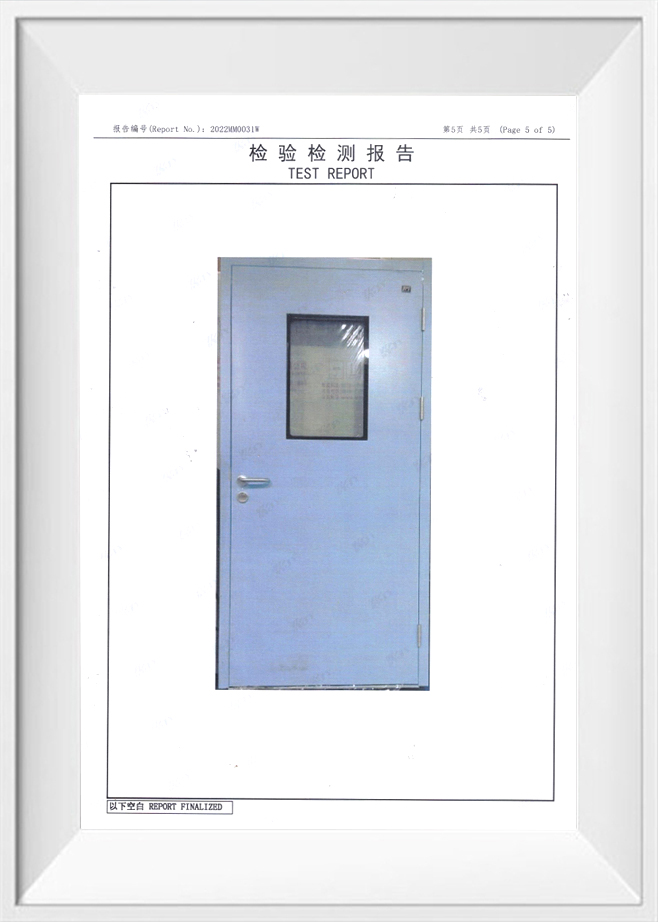
| Observation Window Doors |
Doors with observation windows |
Nursing areas |
In some medical projects, Healthcare Sliding Doors may be used in ward areas, while Healthcare Automatic Doors may be installed at hospital entrances or main passageways to improve passage efficiency.
Design Features of Healthcare Doors
Medical doors need to consider the special characteristics of the hospital environment during design, therefore they usually have some specific features in terms of structure and details.
- 1. Reasonable Door Dimensions
Hospitals require the movement of hospital beds, wheelchairs, and various medical equipment, so the door width is usually larger than that of ordinary building doors.
Medical doors are opened frequently during use, so the door structure needs to remain stable to withstand long-term use.
Medical environments place a high emphasis on hygiene management; therefore, door surfaces are typically designed with a smooth, flat structure for easy daily cleaning and maintenance.
The door needs to maintain a good connection with the wall structure to ensure its safety and stability during long-term use.
Healthcare Door Material Selection
Door materials directly affect the durability and appearance of healthcare doors. In medical buildings, material selection usually considers usage frequency, maintenance needs, and space design.
Common materials include:
- Metal door structure: Metal materials offer good stability and are suitable for areas with high usage frequency.
- Composite panel door structure: Composite materials offer flexibility in appearance design and can coordinate with the interior environment.
- Observation window design: Observation windows on the door allow medical staff to easily view the interior.
- Impact-resistant structural surface: In areas frequently traversed by equipment or carts, the door surface may be reinforced with protective structures.
Through a reasonable combination of materials, healthcare doors can meet functional requirements while maintaining a good aesthetic appearance.
Key Considerations for Healthcare Door Design
During the hospital design phase, door planning typically needs to consider both spatial layout and usage requirements. Below are some common considerations during the design process:
Spatial Layout
- Door location should align with the corridor's flow direction.
- Door opening direction should not impede pedestrian traffic.
- Door size should accommodate equipment access.
Usage Method
- Automatic doors are suitable for areas with high pedestrian traffic.
- Sliding doors can be chosen for ward areas.
- Easy-to-operate doors are needed for areas with frequent medical staff operations.
Daily Maintenance
- Door structure should be easy to clean.
- Hardware components should have good durability.
- Door installation method should facilitate maintenance.
Impact of Healthcare Doors on the Medical Environment
Although doors are only a detail in medical buildings, their design has a significant impact on the overall hospital environment.
A well-planned door layout helps hospitals maintain good spatial order and makes the functions of different areas clearer.
- Improving Traffic Efficiency
Appropriate door size and opening methods can reduce inconvenience for pedestrians and make medical processes smoother.
- Enhancing Patient Experience
A well-planned and efficient hospital environment can make patients feel more at ease during their treatment.
Application of Healthcare Doors in Different Medical Areas
Different functional areas within a hospital may use different types of doors. For example:
- Ward Areas: Commonly use swing doors or healthcare sliding doors for the convenience of patients and nursing staff.
- Public Entrances: Healthcare automatic doors may be used for the convenience of patients and visitors.
- Examination Areas: Doors usually need to be coordinated with the equipment layout.
- Medical Staff Work Areas: Door structures prioritize efficiency.
By rationally configuring different types of medical doors, hospital spaces can be made more clear and organized.
Healthcare doors are important facilities connecting different functional spaces. Although doors may seem simple, their design affects the orderliness, efficiency, and user experience of the medical environment.

 English
 Español