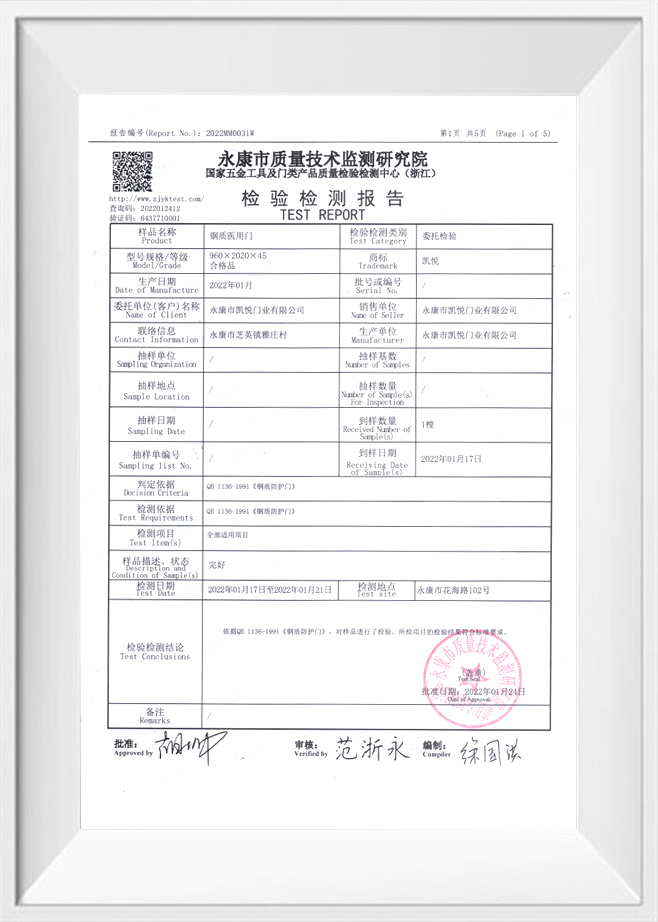
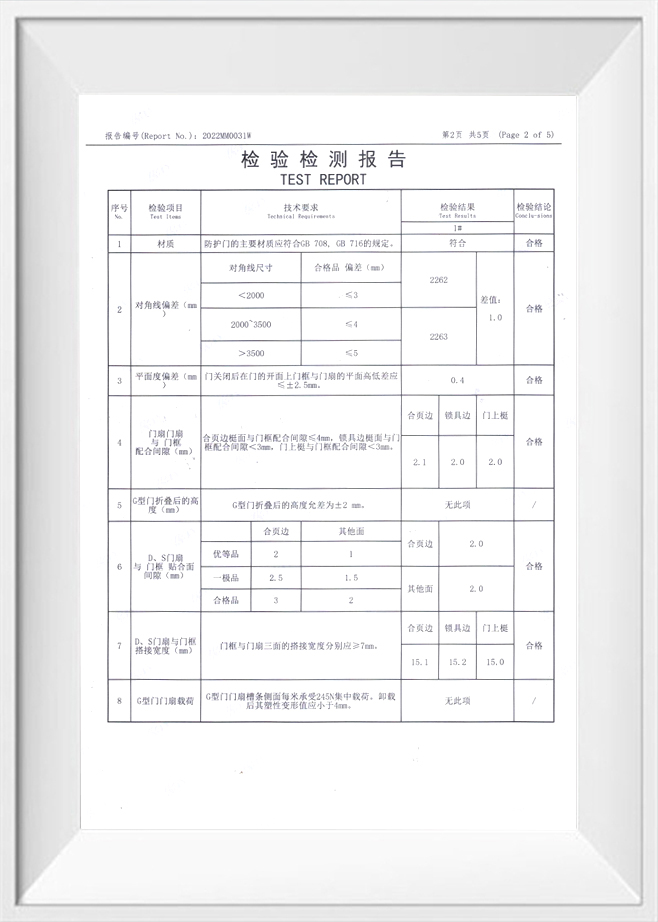
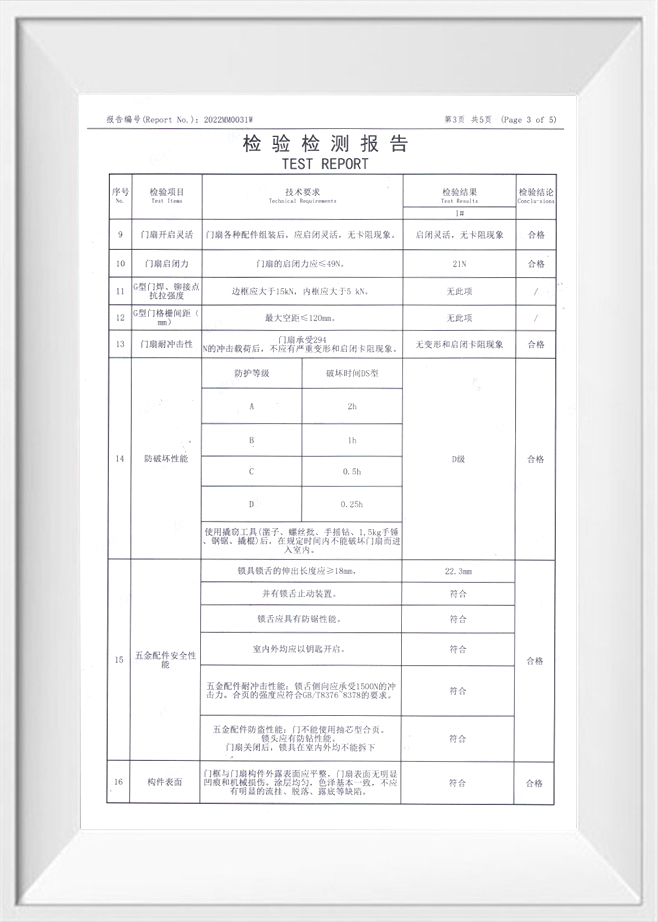
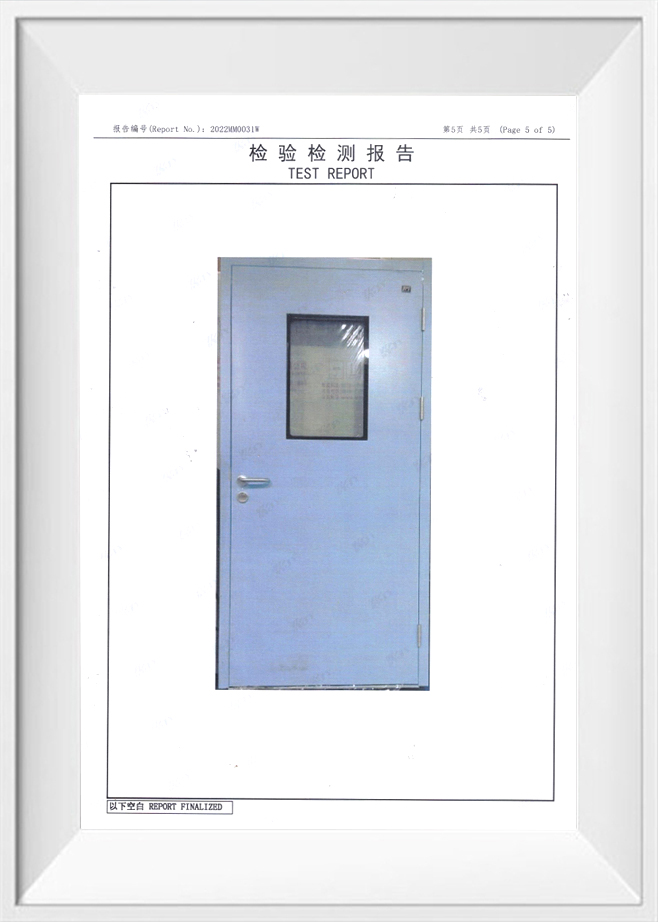
Hospital buildings have high requirements for space management, hygiene control, and personnel flow efficiency, and hospital door systems are an indispensable and important component of medical buildings. Different areas have different functional requirements for doors. For example, operating rooms, wards, laboratories, and public corridors all have different requirements for door opening methods, sealing performance, and ease of use.
Basic Functions of Hospital Door Systems
Hospital door design is usually based on the actual needs of the medical environment. Its function is not only to partition space but also to support the smooth operation of medical processes. Generally, hospital door systems have the following basic functions:
1. Personnel and Equipment Access Management
Hospitals have a large number of medical staff, patients, and equipment moving in and out daily; therefore, door systems need to have good access efficiency. For example, beds, medical carts, and mobile equipment all require relatively spacious passageways.
2. Environmental Zoning
Medical buildings are usually zoned according to function, such as clean areas, semi-clean areas, and contaminated areas. Door systems help achieve physical isolation between areas, thereby assisting in the management of hygiene requirements in different areas.
3. Hygiene and Cleaning Maintenance
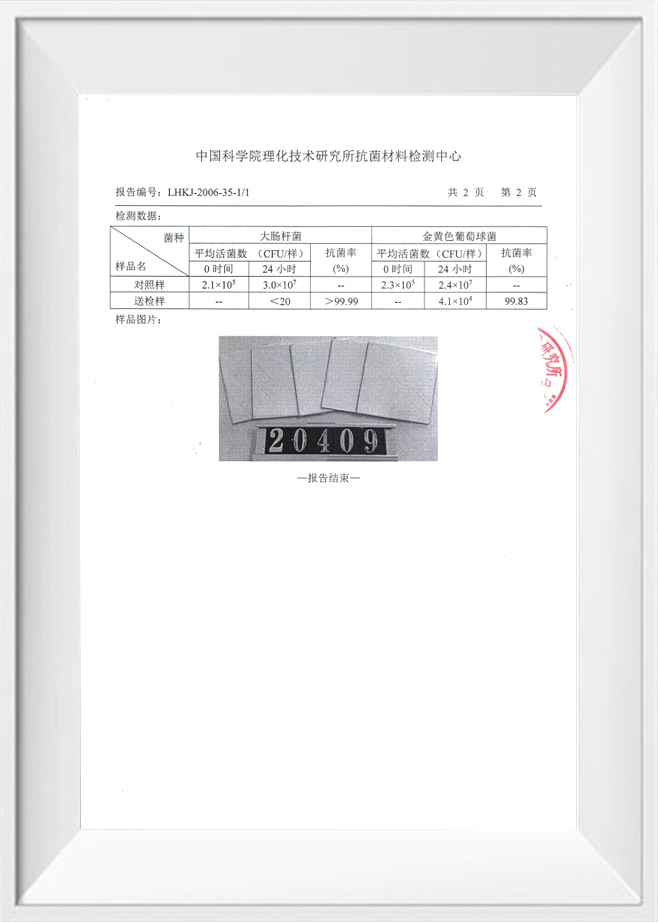
Hospital doors typically use easy-to-clean surface materials and have simplified structures, which facilitates daily disinfection and maintenance.
4. Security and Privacy Protection
In examination rooms, wards, and special treatment areas, doors also serve to protect patient privacy and control access.
Electric Sliding Doors
Structural Features
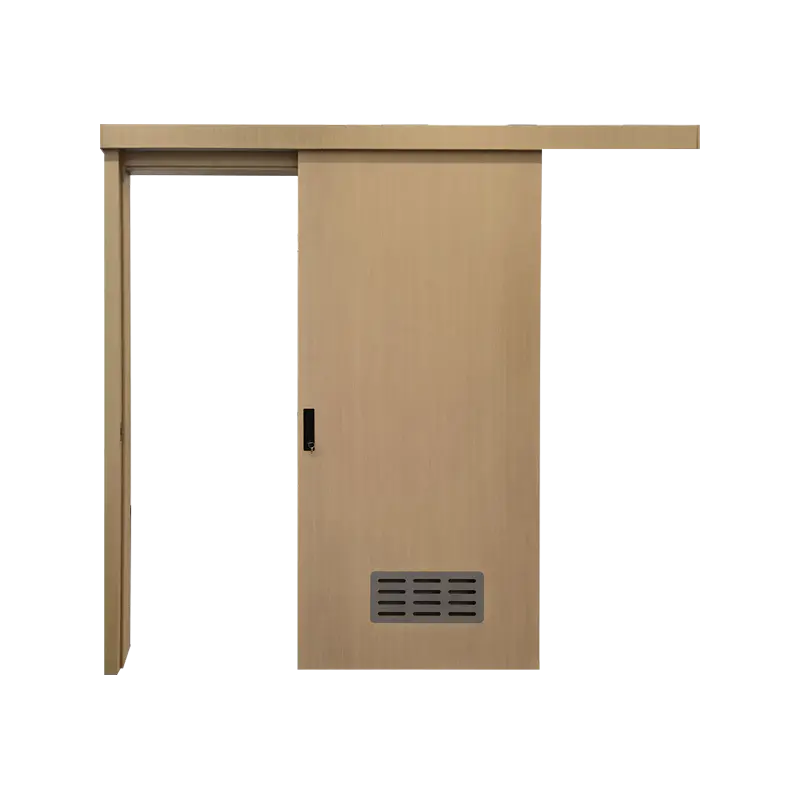
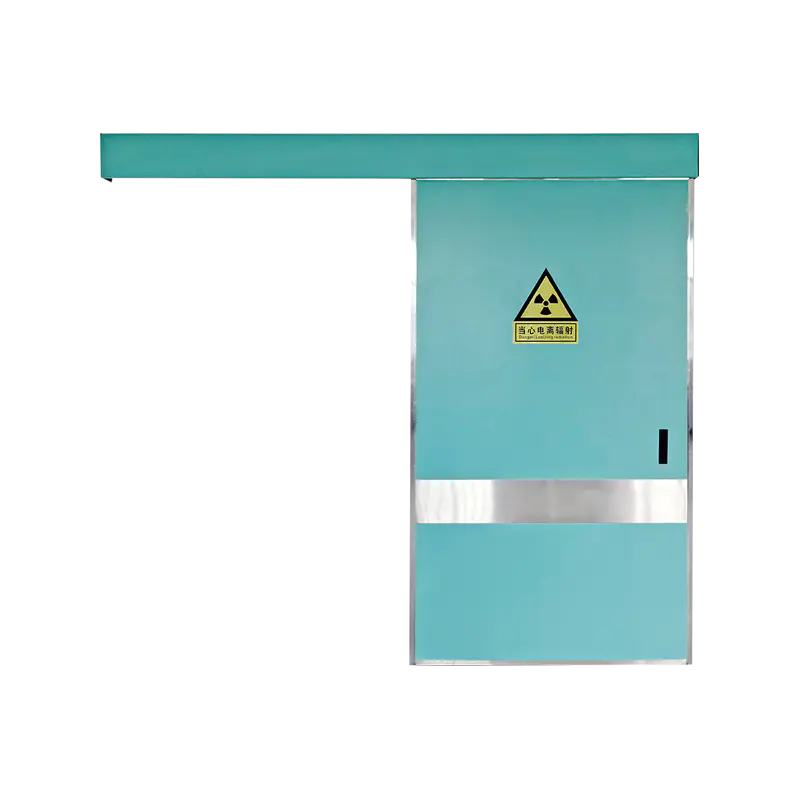
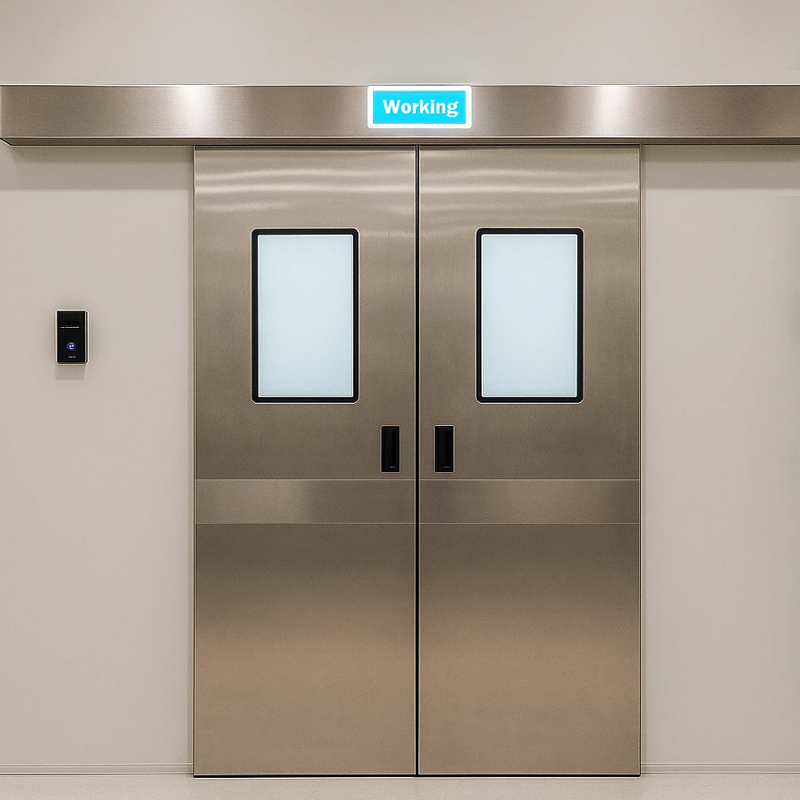
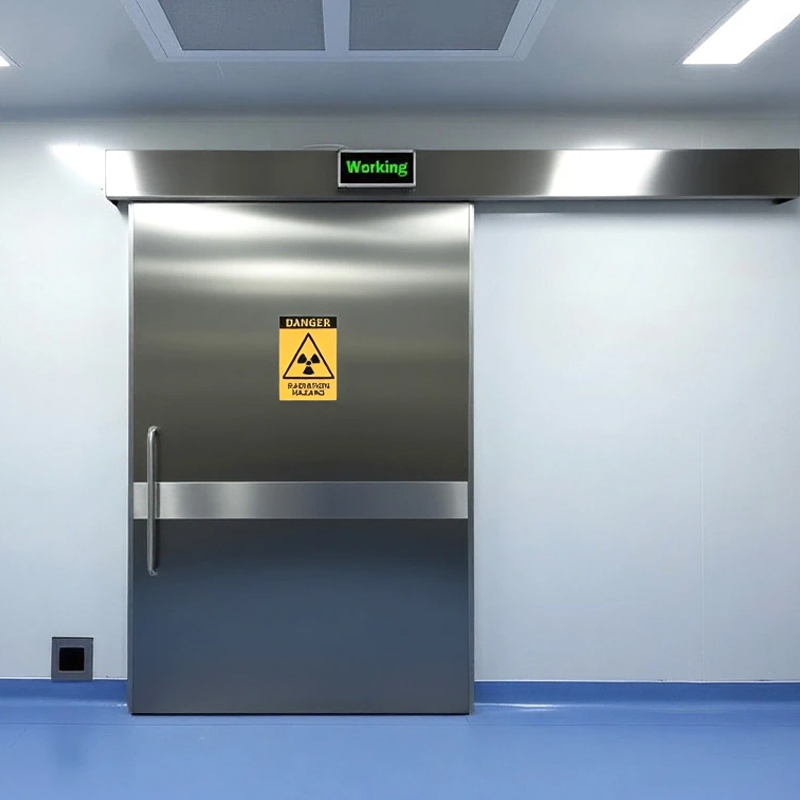
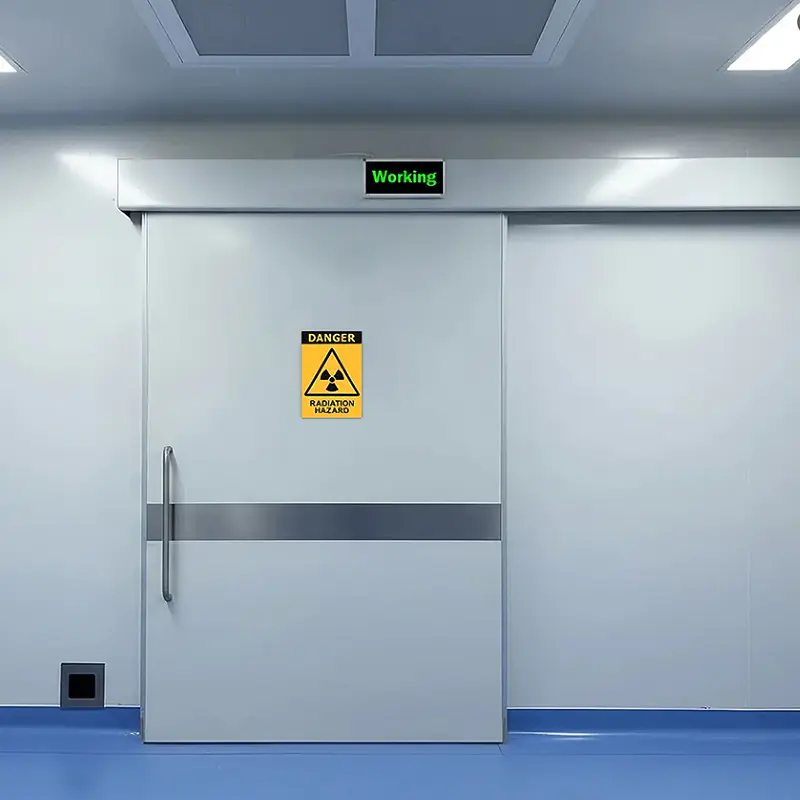
Electric Sliding Doors are a common type of door in hospitals. Their main feature is that the door slides left and right along a track. An electric control system allows the door to open and close automatically.
This type of door typically consists of the following parts:
- Door Structure
- Guide Rail System
- Drive Motor
- Control Module
- Sensing Device
The door slides smoothly along the track during operation, thus occupying less space.
Advantages of Use
Electric Sliding Doors are practical in hospital environments, with advantages primarily including:
- Smooth opening process
- Suitable for wider aisles
- Facilitates the passage of beds and equipment
- Automatic control reduces contact
Due to these characteristics, these doors are commonly used in hospital public corridors and some medical areas.
Common Application Areas
Electric Sliding Doors are commonly found in the following scenarios:
- Hospital lobby entrance
- Outpatient corridors
- Ward corridors
- Medical equipment transport corridors
In these areas, sliding doors can help improve passage efficiency.
Electric Hinged Doors
Structural Features
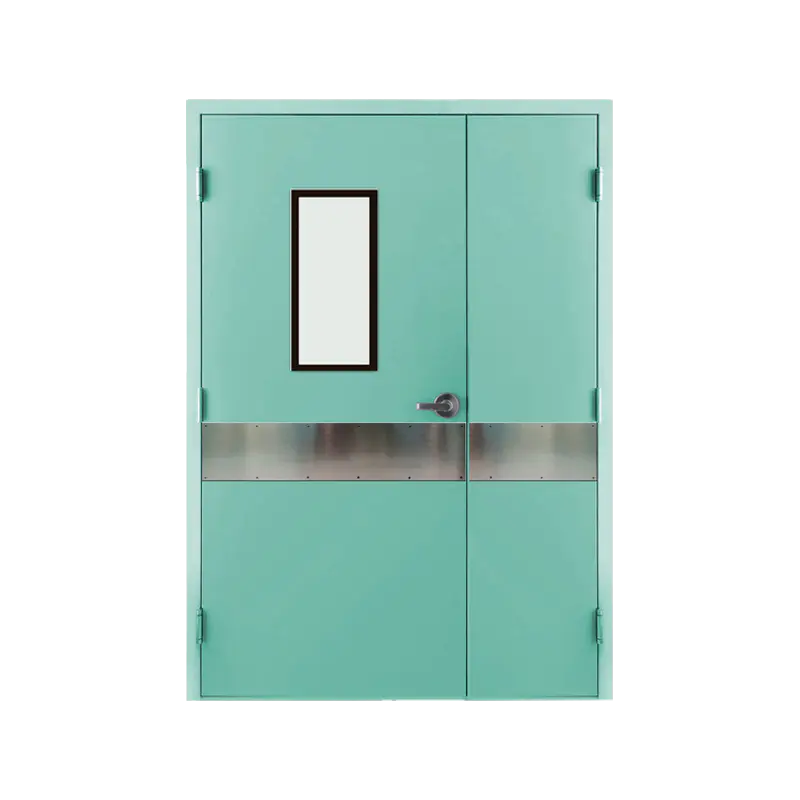
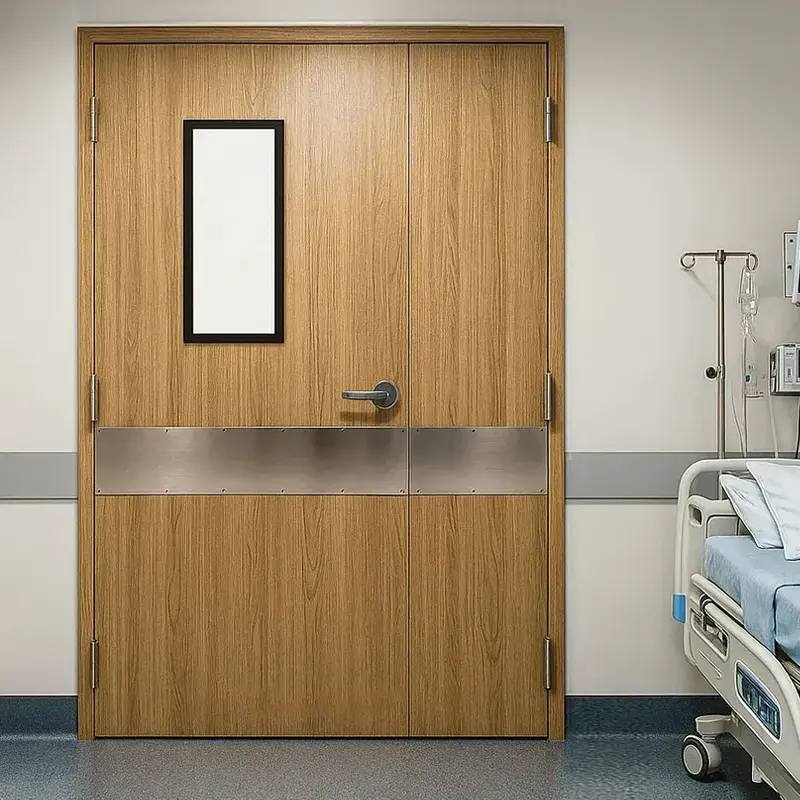
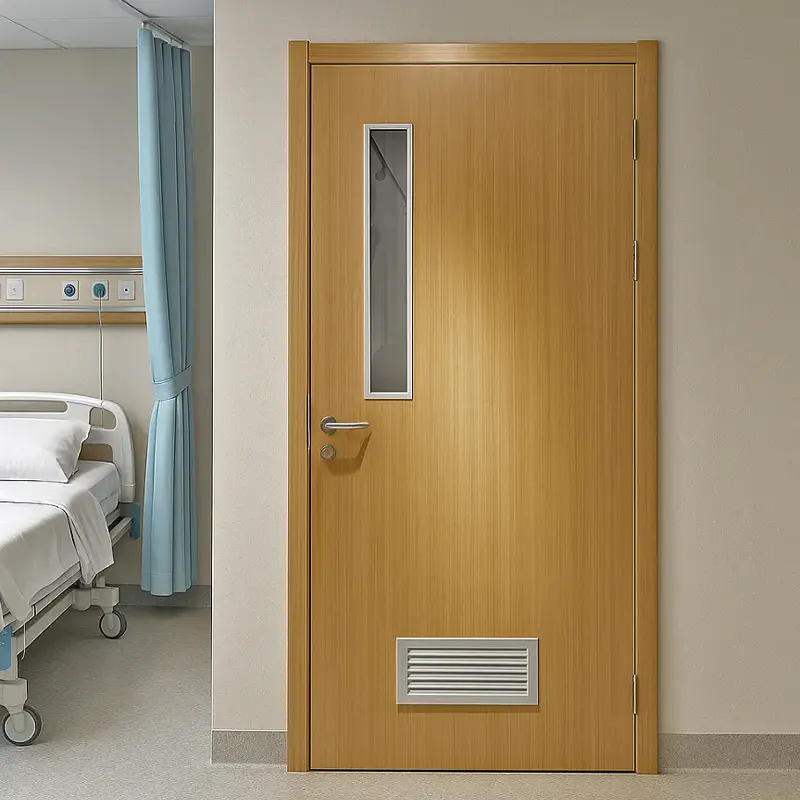
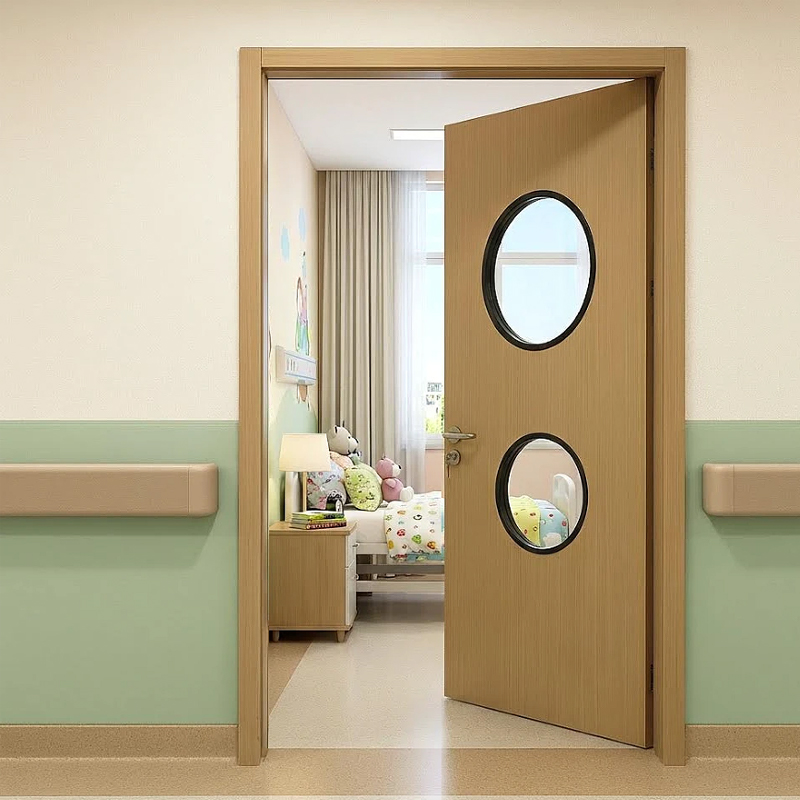
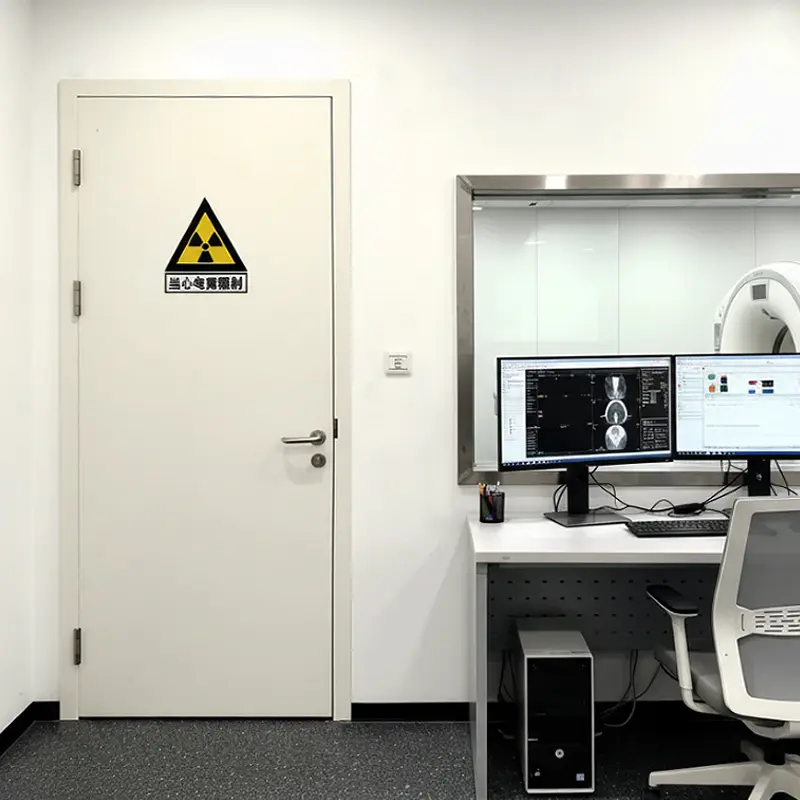
Electric Hinged Doors are a type of door that incorporates an electric control system into the traditional hinged door structure. The door is fixed to the door frame by hinges and opens and closes with the assistance of a motor.
This structure is similar to ordinary doors, but the added automation makes it more suitable for medical environments.
Electric Hinged Doors have the following features:
- Relatively simple structure
- Suitable for smaller spaces
- Can be designed as single or double doors
- Supports automatic or manual switching
This type of door can be used in many rooms within a hospital.
Common Use Cases
Electric Hinged Doors are generally used in the following spaces:
- Doctor's offices
- Examination rooms
- Small treatment rooms
- Medical equipment rooms
Because their structure is similar to ordinary doors, they are relatively easy to install during building renovations or upgrades.
Automatic Medical Doors
Basic Concepts
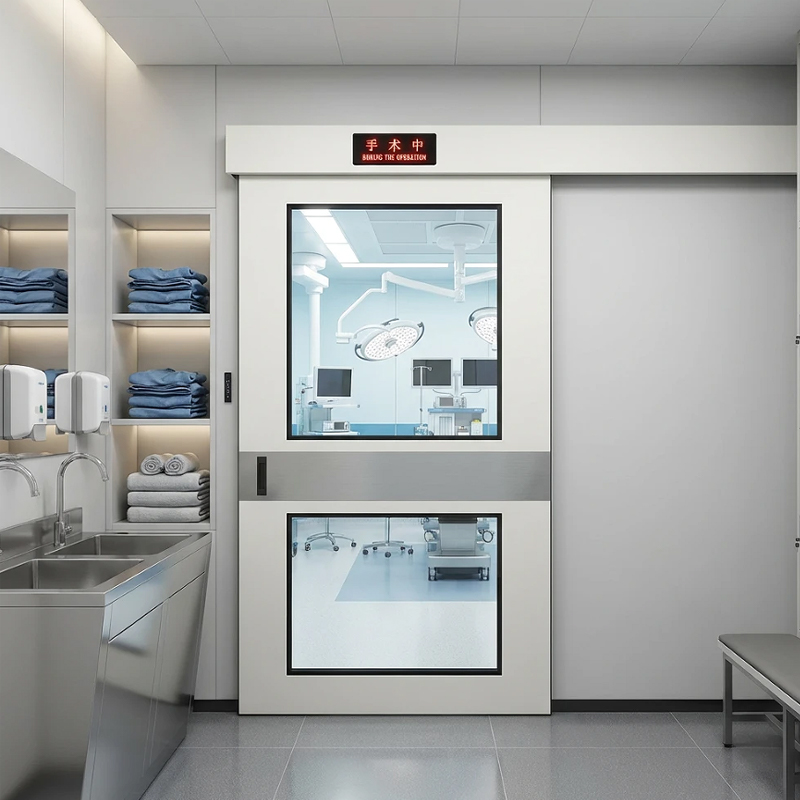
Automatic Medical Doors are automatic door systems specifically designed for medical environments. These doors typically combine sensor technology, control systems, and safety devices, enabling the door to open automatically based on the approach of people.
Automatic medical doors not only focus on passage functionality but also consider hygiene control and medical process requirements.
Key Features
Automatic Medical Doors generally feature the following:
- Automatic sensor opening
- Reduced personnel contact with the door
- Improved passageway efficiency
- Integration with medical space design
Through automatic control, these doors help reduce the number of times personnel touch the door handle, thus supporting hospital hygiene management.
Applicable Environments
Automatic Medical Doors are typically used in the following areas:
- Operating room entrances
- Sterile area corridors
- Intensive care areas
- Medical equipment transport corridors
In these areas, automatic doors allow healthcare personnel to move smoothly while operating equipment with both hands.
Hospital Door Type Comparison
To more intuitively understand the characteristics of different door types, a simple comparison can be made using the table below:
| Door Type |
Opening Method |
Applicable Area |
Main Features |
| Electric Sliding Doors |
Left/Right Sliding |
Hospital corridors, public passageways |
Spacious passageways, high traffic efficiency |
| Electric Hinged Doors |
Hinged |
Offices, examination rooms |
Simple structure, suitable for smaller spaces |
| Automatic Medical Doors |
Automatic control |
Operating areas, special medical areas |
Automatic sensing, reduced contact |
By choosing the right door type, hospitals can achieve more rational space management in different areas.
Factors to Consider in Hospital Door Design
In hospital building design, the selection of a door system usually requires comprehensive consideration of several factors.
1. Spatial Layout
Different areas have different space sizes, requiring the selection of appropriate door types. For example, wide corridors are suitable for sliding doors, while independent rooms may be more suitable for hinged doors.
2. Traffic Flow
Areas with high traffic flow usually require more efficient door systems to reduce congestion.
3. Cleaning and Maintenance
Hospital environments require frequent cleaning; therefore, the surface materials and structure of doors should be as simple as possible.
4. Ease of Use
Medical staff may need to push equipment or carry medical supplies during their work; therefore, the door system needs to be easy to operate.
Hospital door systems play a vital role in healthcare buildings. From basic access to hygiene management and automated control, different types of doors provide diverse solutions for healthcare environments.

 English
 Español