 English
 Español
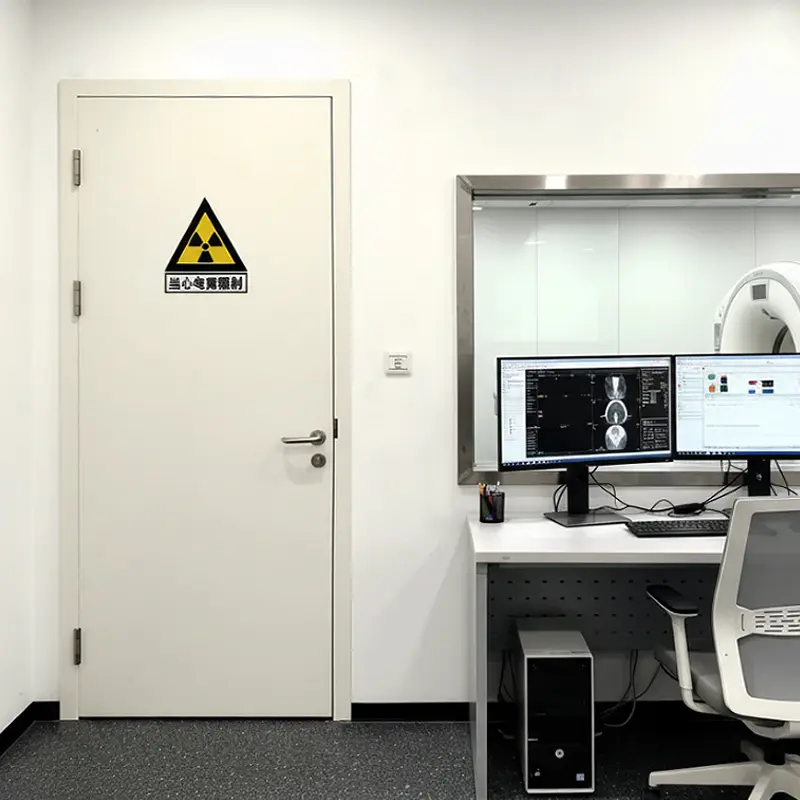
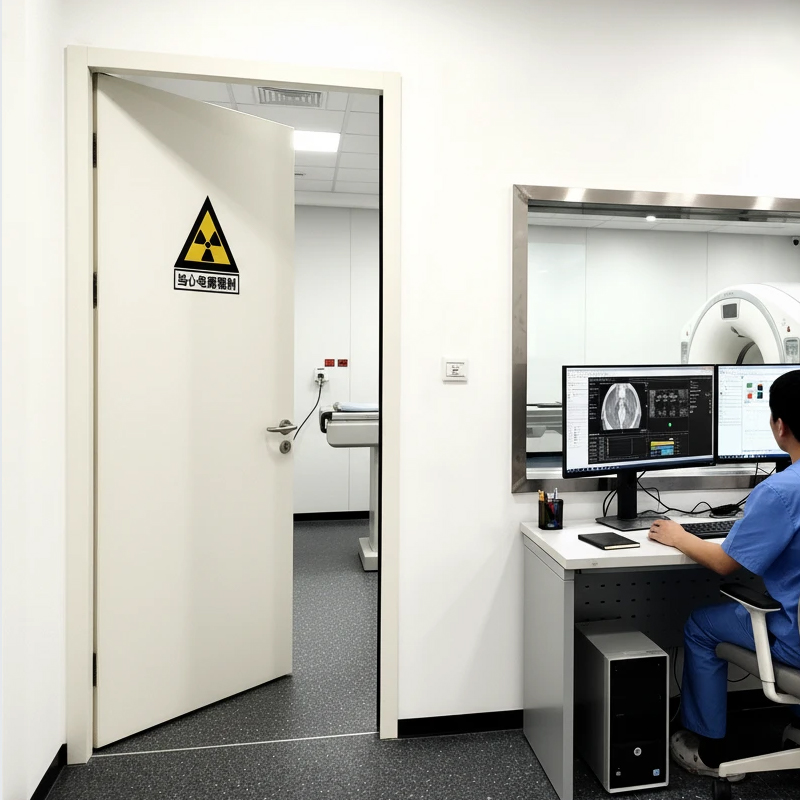
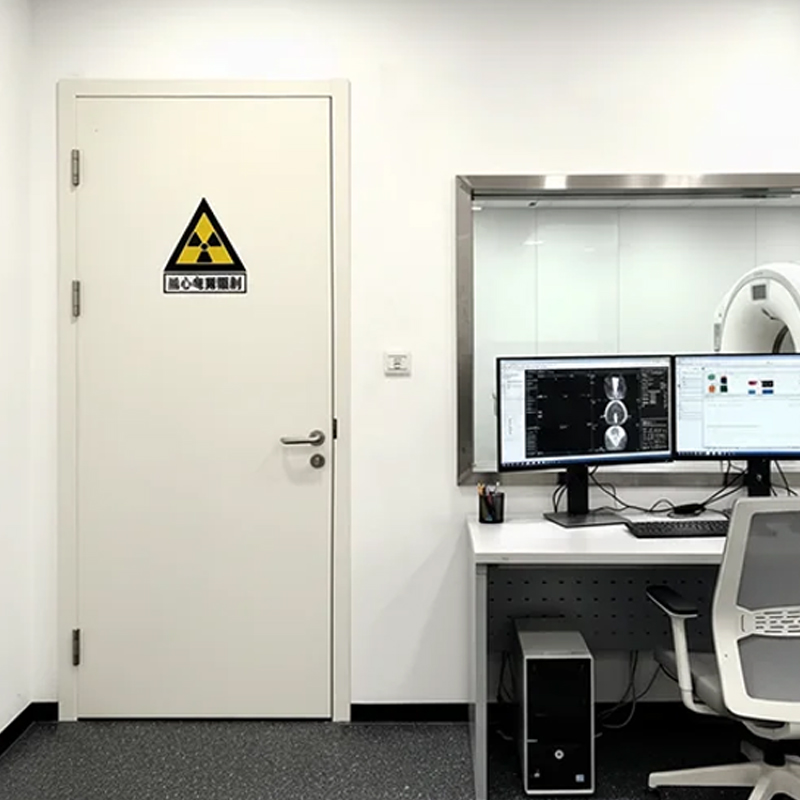
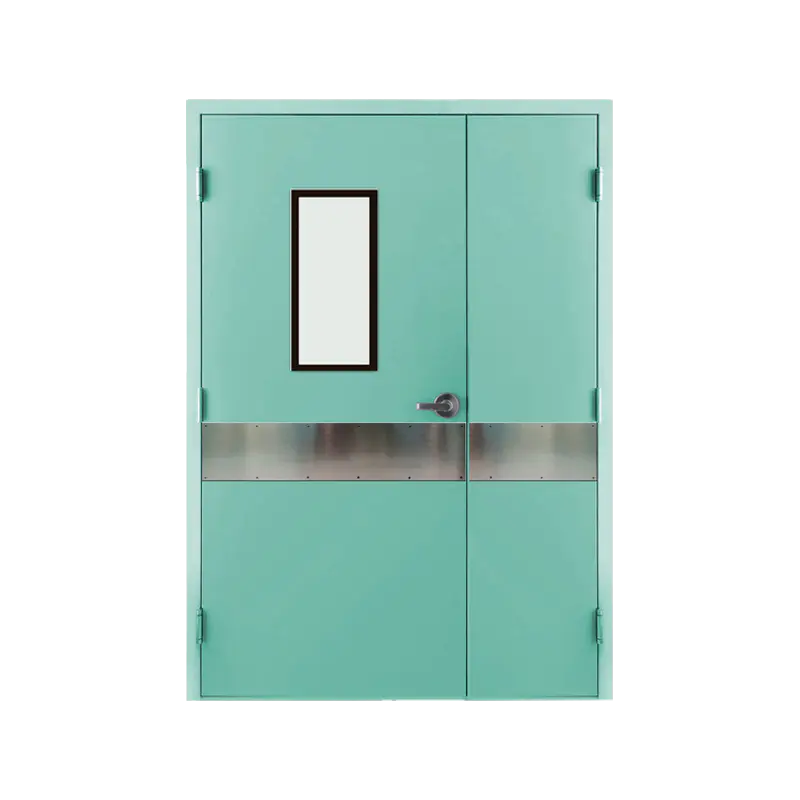
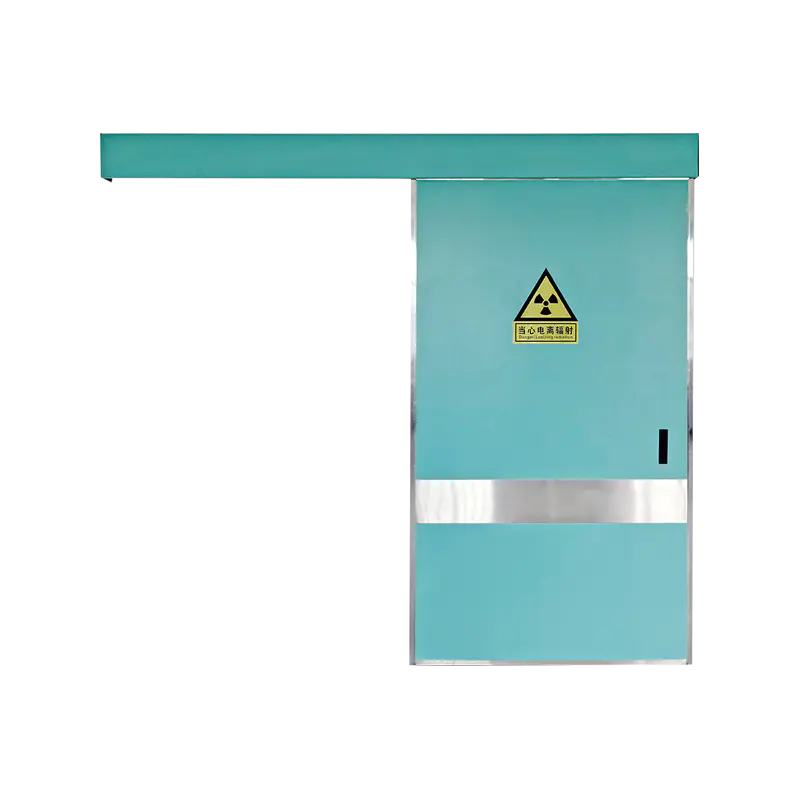
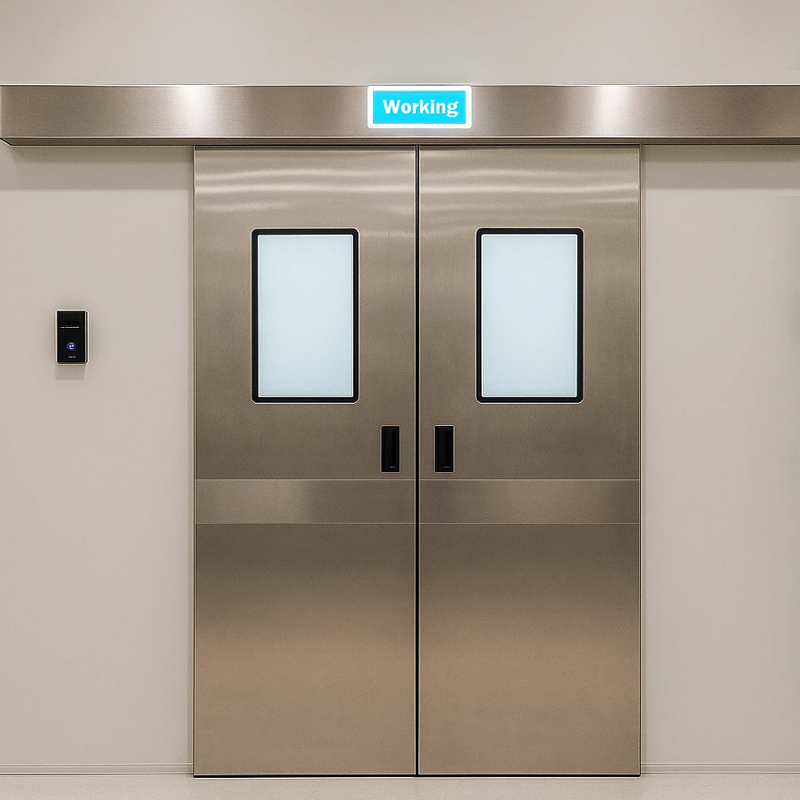
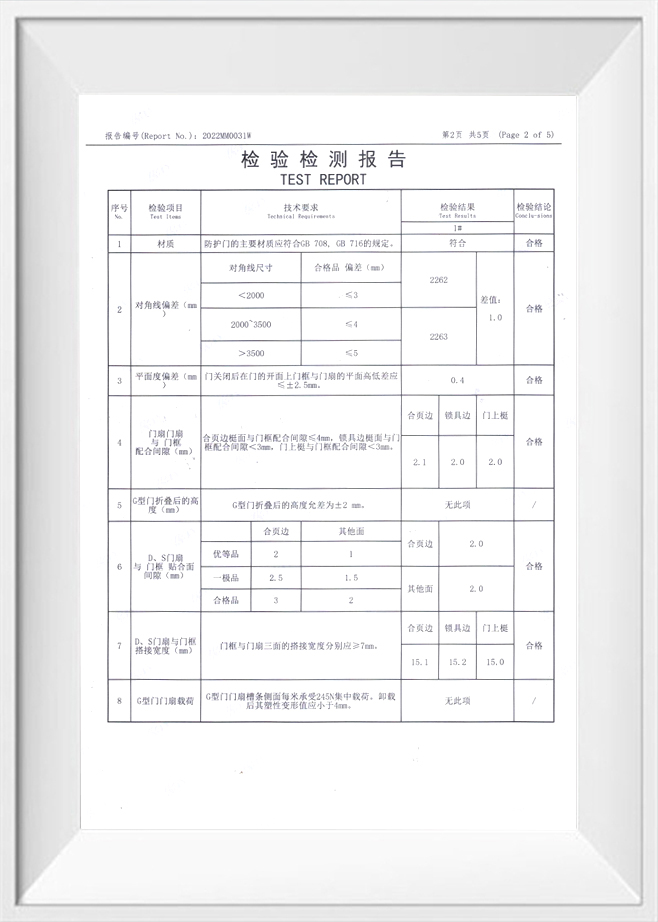
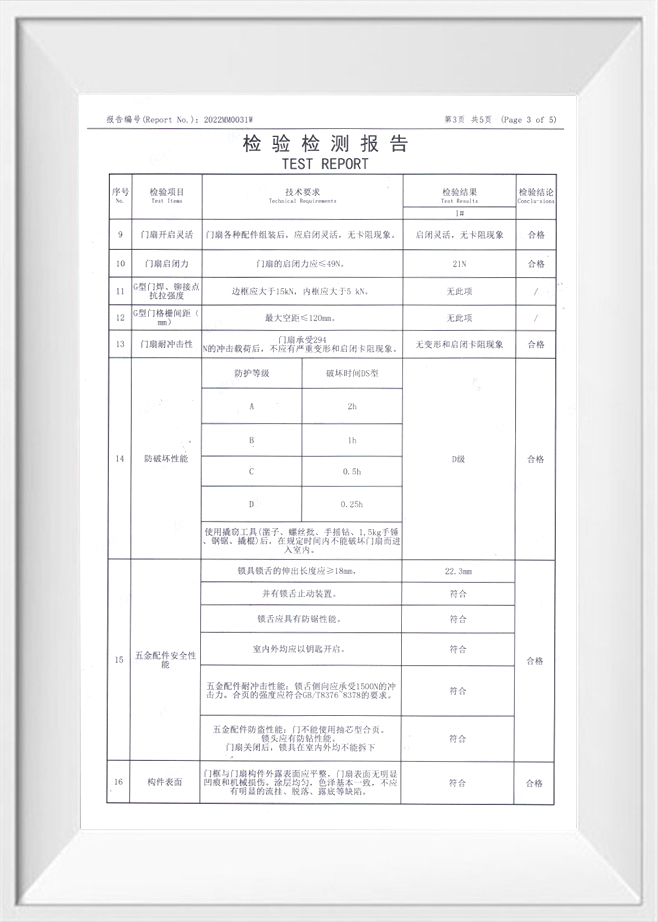
A CT control room door is a vital component in hospitals with CT scanning facilities, providing a protective barrier between the high-radiation CT scan room and the control room where technicians operate the equipment. This specialized door ensures the safety of healthcare professionals by shielding them from potentially harmful X-ray radiation emitted from the CT scan room during imaging procedures. It is essential that the door is designed to meet specific radiation protection standards, ensuring that no radiation leaks into the control room.
Constructed from high-quality galvanized steel, the door is lined with 2-6mm thick layers of metal lead, an excellent material for absorbing radiation. The lead thickness can be customized based on the specific radiation protection requirements of the facility. To prevent radiation from escaping, the lead lining covers the entire door, including both the frame and the door leaf. This ensures that there are no gaps or areas left unshielded, providing complete radiation protection.
The door is designed for strength and durability. It features a solid core and steel stiffeners that support the face panel, making the door strong enough to withstand regular use without compromising its radiation shielding effectiveness. The high-density lead lining, with a density of up to 11,300 kg per cubic meter, significantly contributes to the weight of the door. To handle this added weight, the door is equipped with heavy-duty hinges that are both durable and capable of supporting the door's substantial mass.
In summary, a CT control room door is a critical safety feature in any medical imaging facility, ensuring that technicians can operate imaging equipment in a radiation-protected environment. With its heavy-duty construction, high-quality lead lining, and robust hinges, this door provides the necessary safety and functionality for healthcare professionals working with CT scanners.