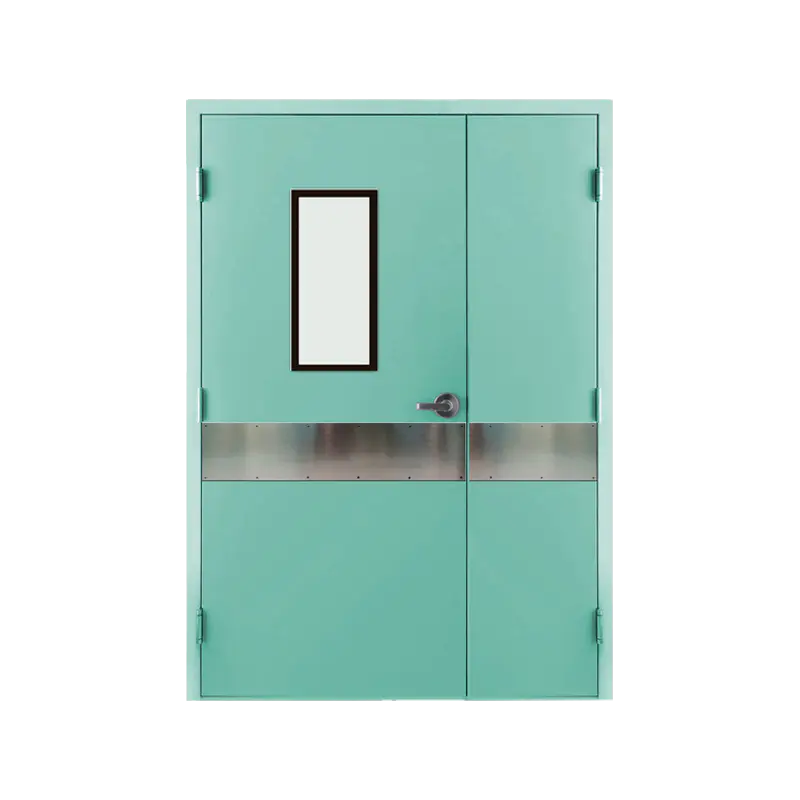
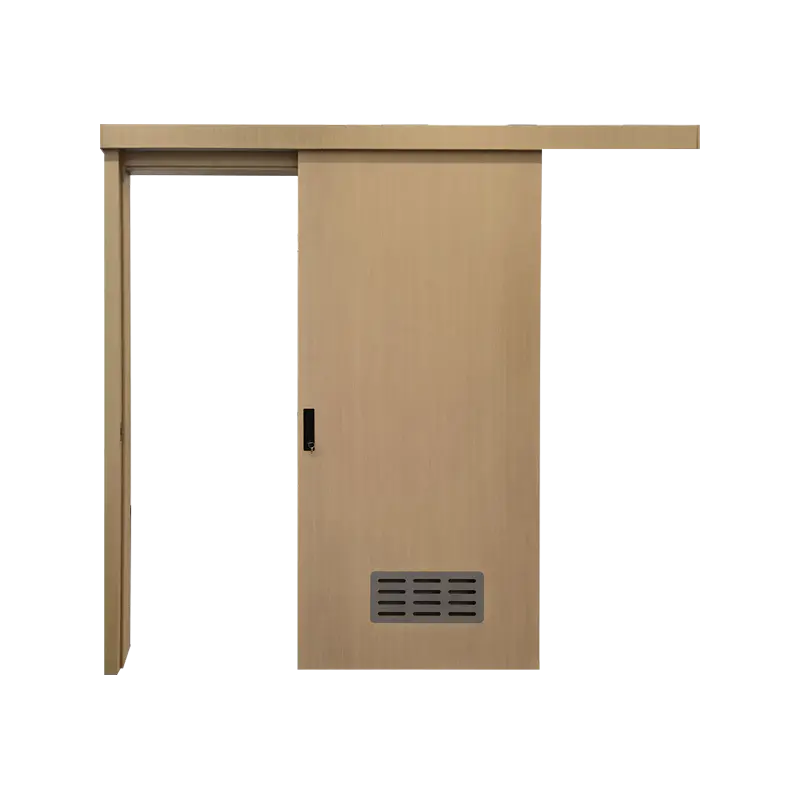
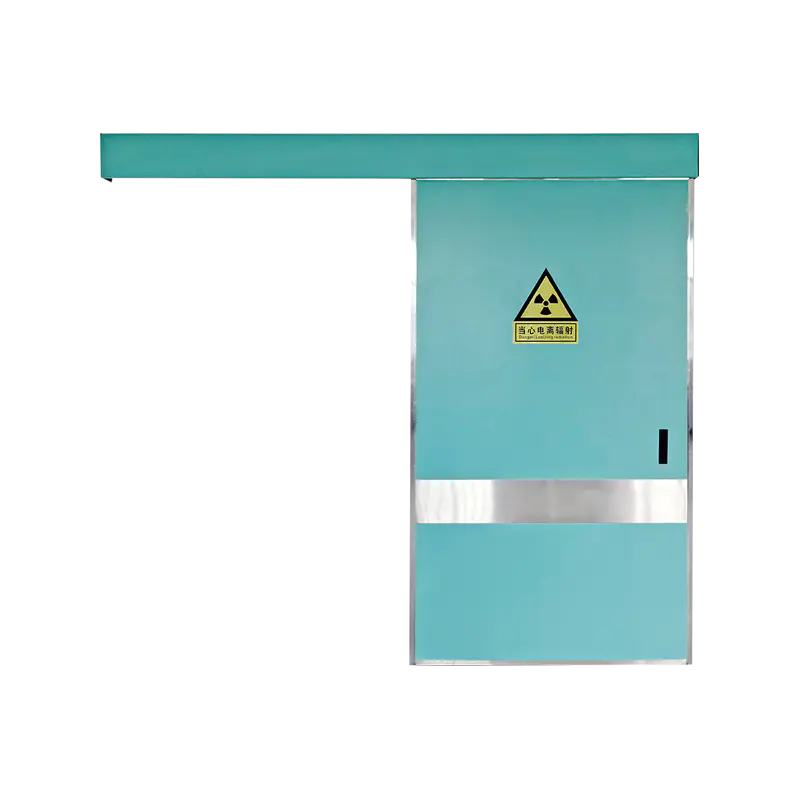
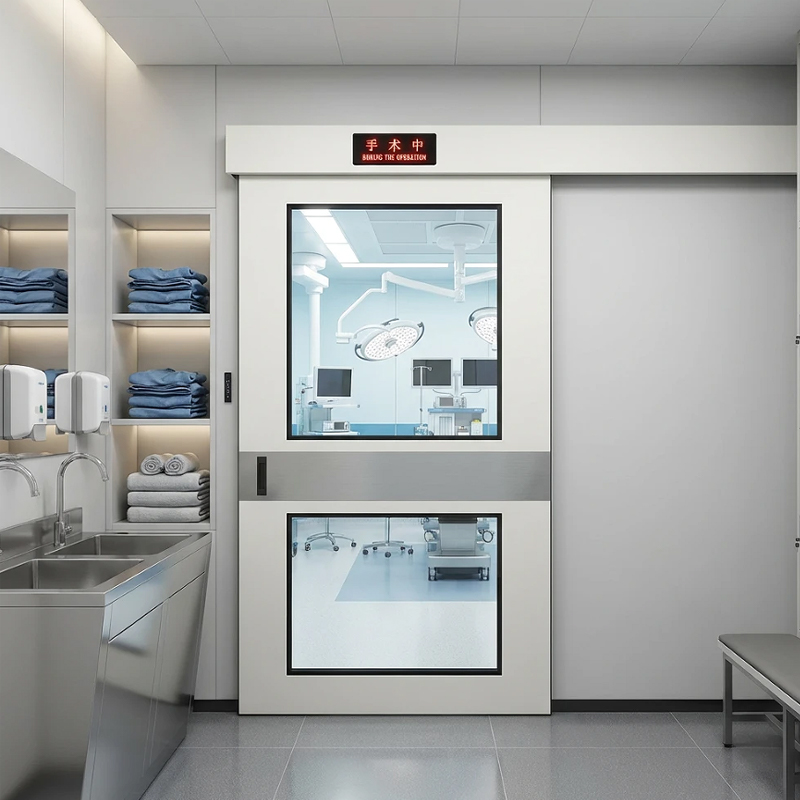
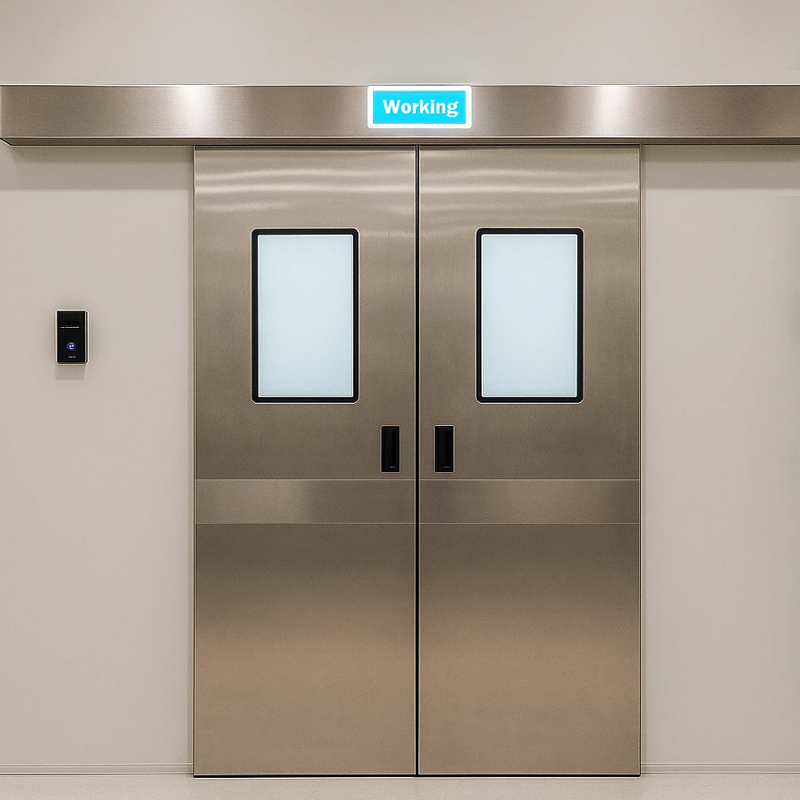
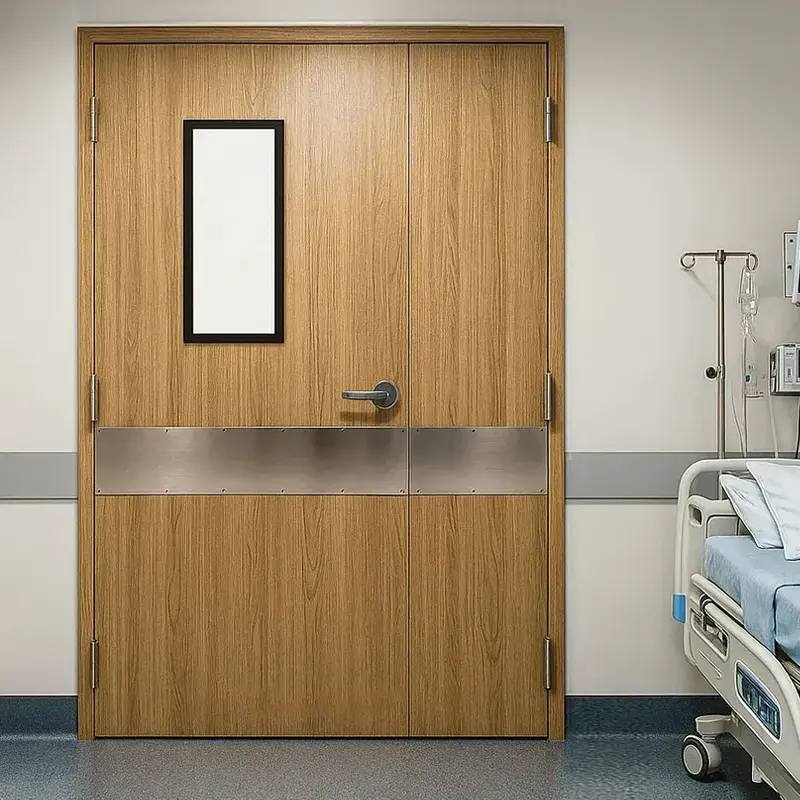
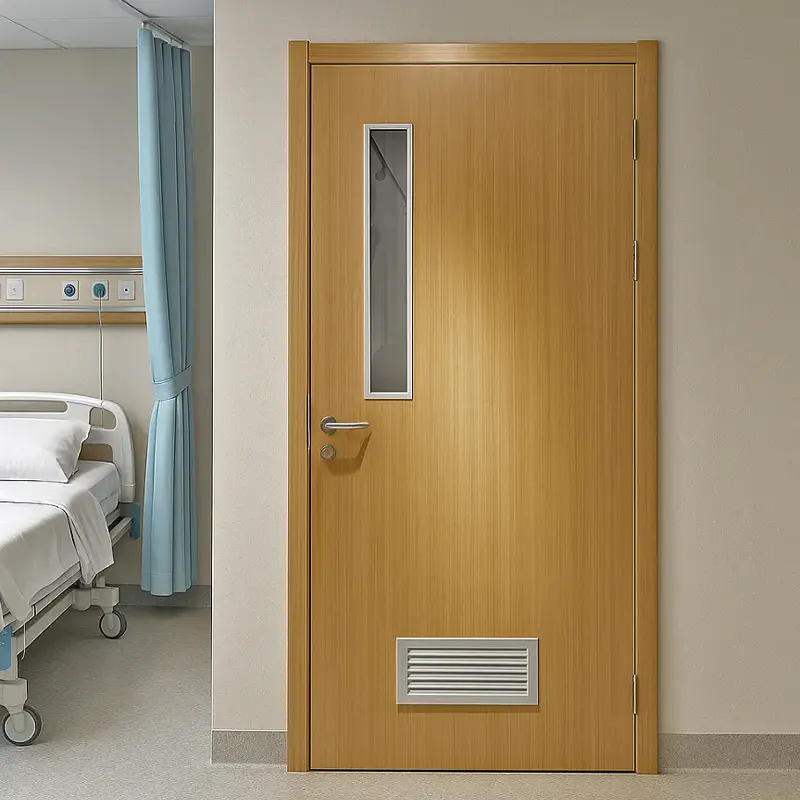
A healthcare building is made up of many small design decisions, and doors are among the details people interact with every day. From consultation rooms to patient bedrooms, each door needs to fit the room's purpose while working with the surrounding interior. Wooden Medical Doors offer a combination of a familiar appearance, flexible finishes, and design options that can suit different healthcare environments.
Their selection involves more than choosing a wood color. Room function, door construction, hardware, surface materials, and opening dimensions all influence how a door performs in daily use.
Color and texture affect how people perceive an interior. Natural wood patterns and wood-look finishes can introduce warmth into spaces that otherwise feature plain walls, hard flooring, and clinical equipment.
Light oak tones may complement bright interiors, while darker finishes can create a more defined visual contrast. Neutral shades also work with a range of wall colors and furniture styles.
For Wooden Medical Doors, finish selection should consider the overall interior palette rather than treating every doorway as an isolated element. Consistent finishes can help connect corridors, consultation rooms, and administrative areas, while selected color variations can distinguish different departments.
The final appearance depends on the chosen surface material, grain pattern, coating, and lighting conditions within the building.
A door's appearance does not reveal everything about its construction. The core material, frame arrangement, panel structure, and overall thickness can influence weight, rigidity, and the way the door operates.
Solid timber, engineered wood, and composite-core constructions offer different characteristics. The suitable option depends on the project specification, expected usage, and required door configuration.
In healthcare interiors, designers also need to consider how the door connects with its frame and surrounding wall. Accurate dimensions help establish suitable clearances and support consistent installation across multiple rooms.
When Wooden Medical Doors are selected for a large building, coordinating the construction type with the intended application can simplify specification and procurement decisions.
Handles, hinges, locks, and other hardware components influence how a door functions. Their selection should reflect the room layout, expected traffic, and the needs of the people using the space.
A consultation room may require a locking arrangement that supports private conversations. Staff-only rooms may need controlled access, while frequently used internal doors require hardware suited to regular opening and closing.
Hardware compatibility also matters during project planning. Door thickness, handle position, hinge placement, and lock preparation should be coordinated with the selected door design.
For project teams sourcing Wooden Medical Doors, confirming hardware requirements before production helps reduce inconsistencies between the door leaf, frame, and installation drawings.
Healthcare buildings have varied daily activities, from patient consultations to equipment movement and staff circulation. Door surfaces should therefore be selected according to the conditions in each area.
Decorative laminates, coated wood surfaces, and other engineered finishes provide different combinations of appearance, texture, and surface characteristics. The choice may depend on the room's function, interior design requirements, and expected contact with people or equipment.
Edges and corners also deserve attention because they affect the finished appearance and the way the door fits within its frame.
A clear specification for Wooden Medical Doors should identify the intended finish and construction details, allowing suppliers and project teams to work from the same requirements.
Selecting doors for a medical building involves balancing appearance, construction, room function, and installation details. Wooden Medical Doors can support a coordinated interior when their finishes and configurations are chosen with the building's layout in mind.
For architects, contractors, distributors, and door suppliers, clear communication about room use, dimensions, core materials, surface finishes, and hardware provides a practical starting point. These details help turn a general design concept into a door specification that fits the needs of the project.
Your email address will not be published. Required field are marked*

Product Recommendations
Explore Our Medical Door Solutions
Contact Information
No. 87, Xingwang Road, Zaotang Industrial Zone, Xicheng Street, Yongkang, Zhejiang, China
+86-13758983507
+86-579-87321128
Mobile


 English
 Español