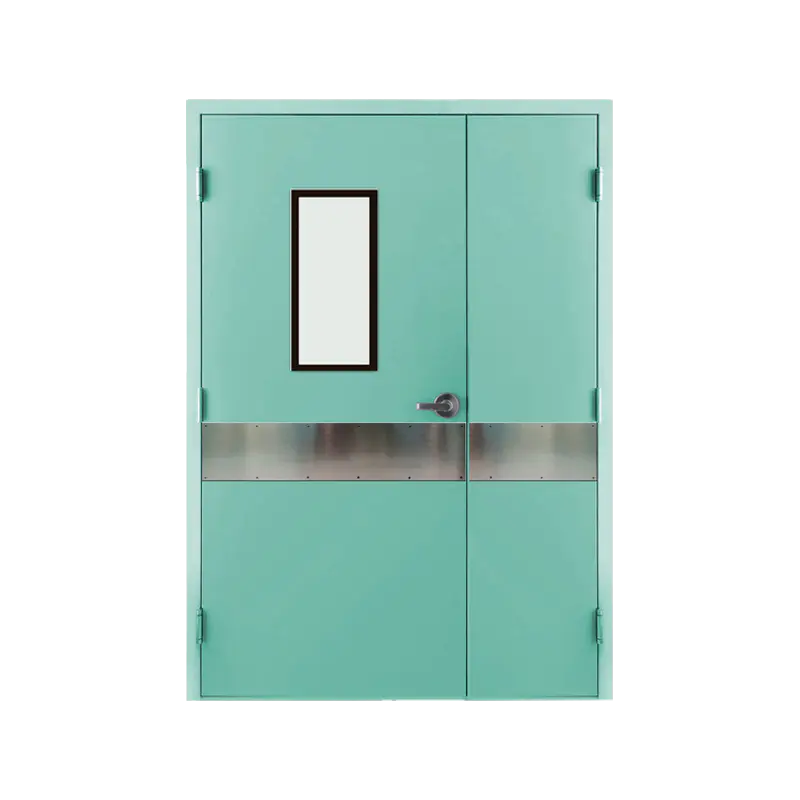
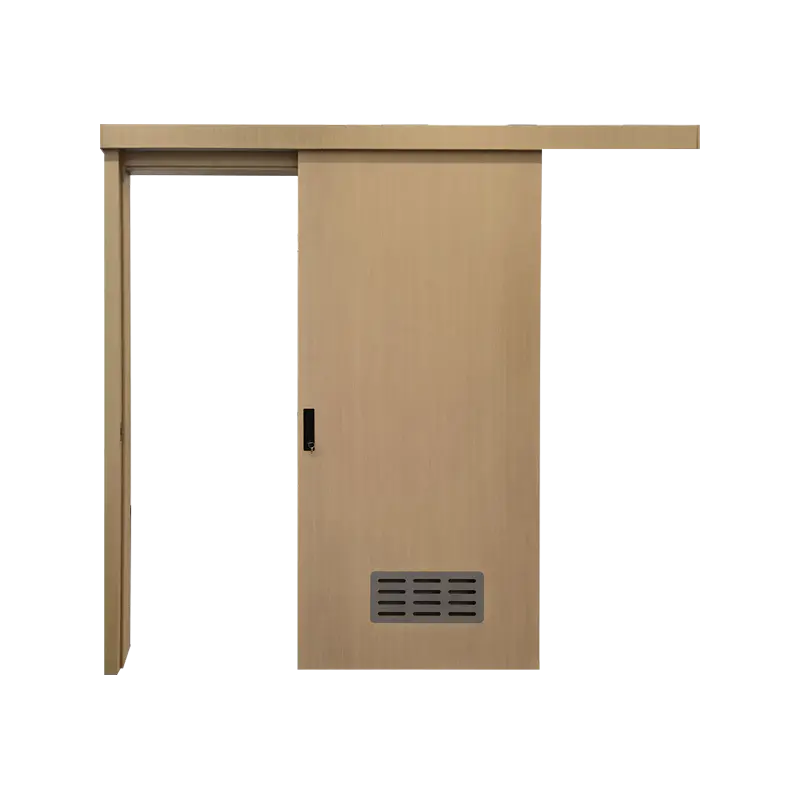
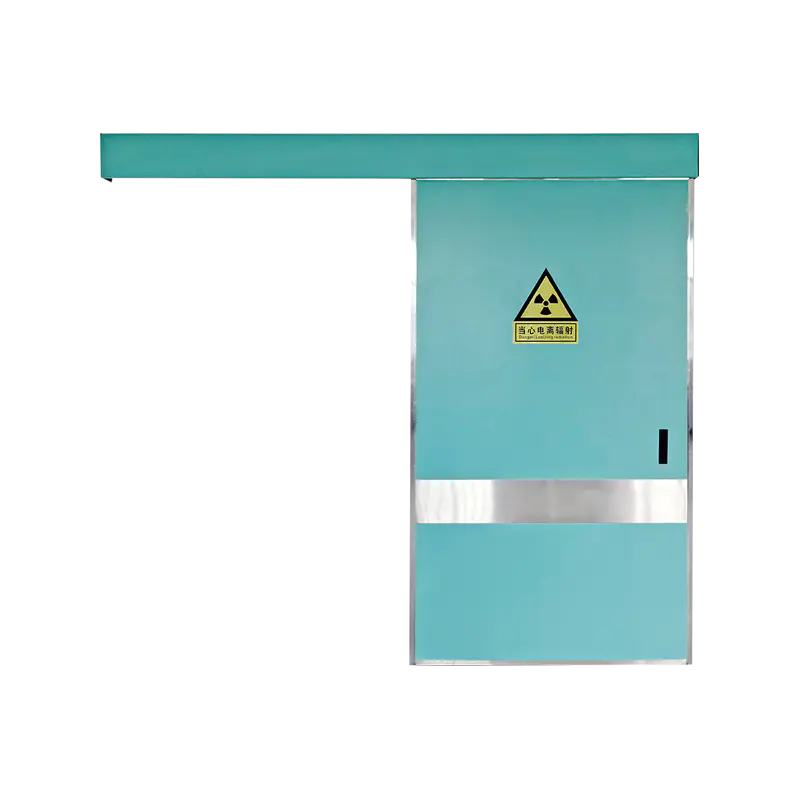
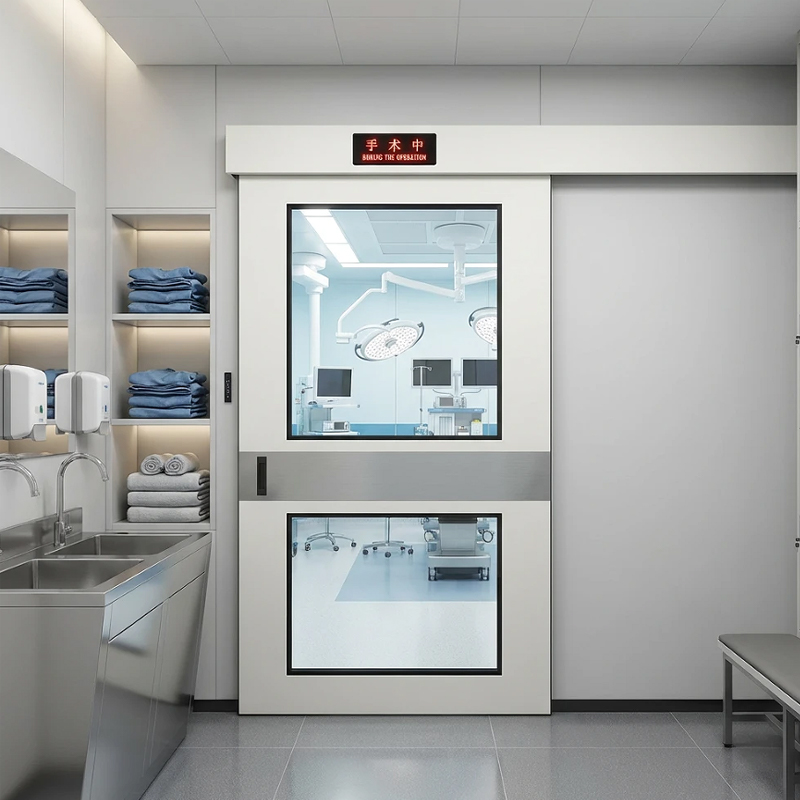
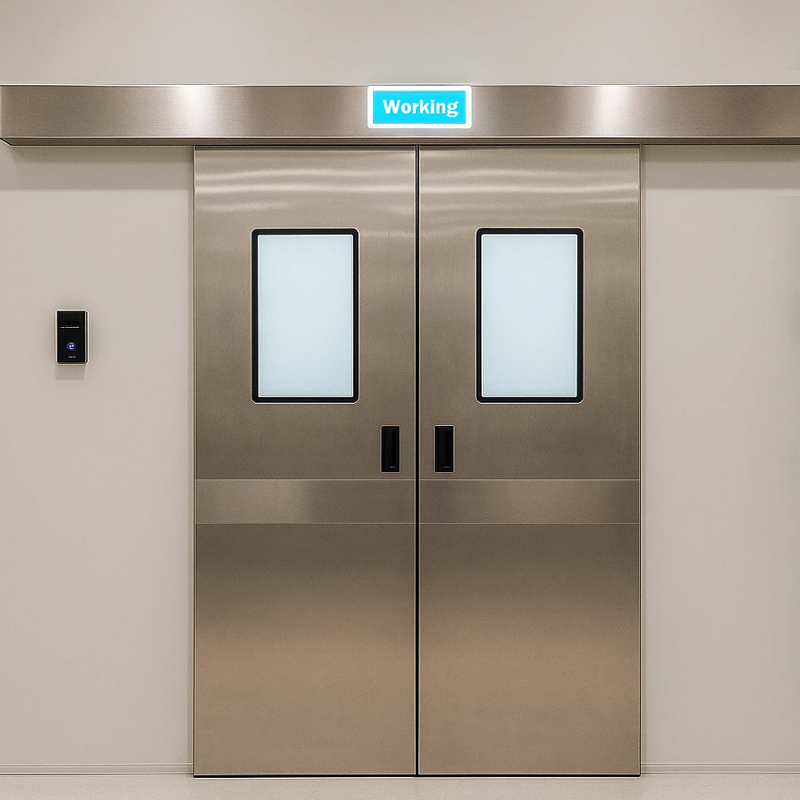
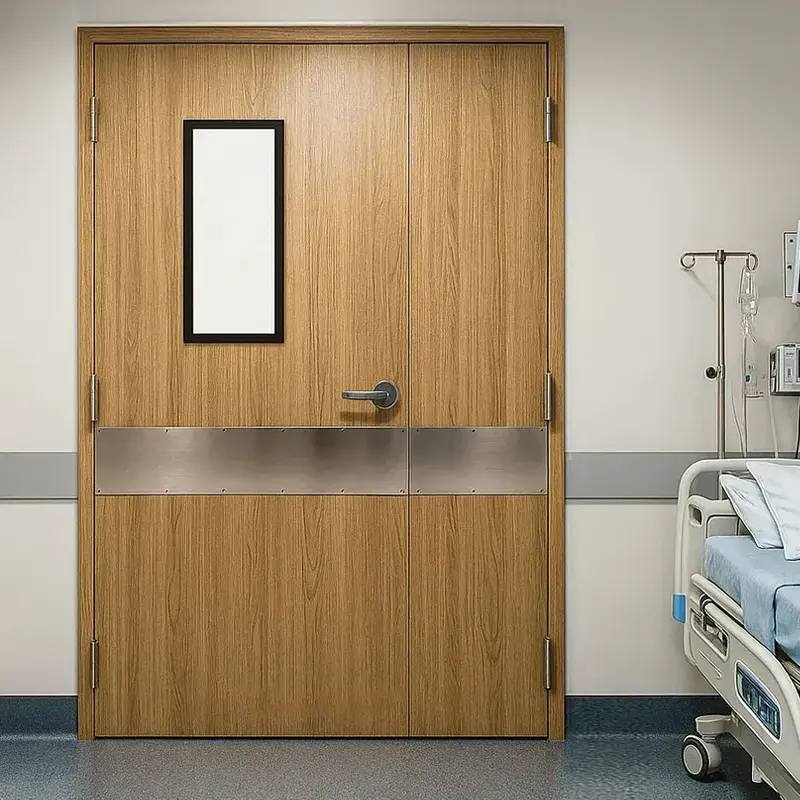
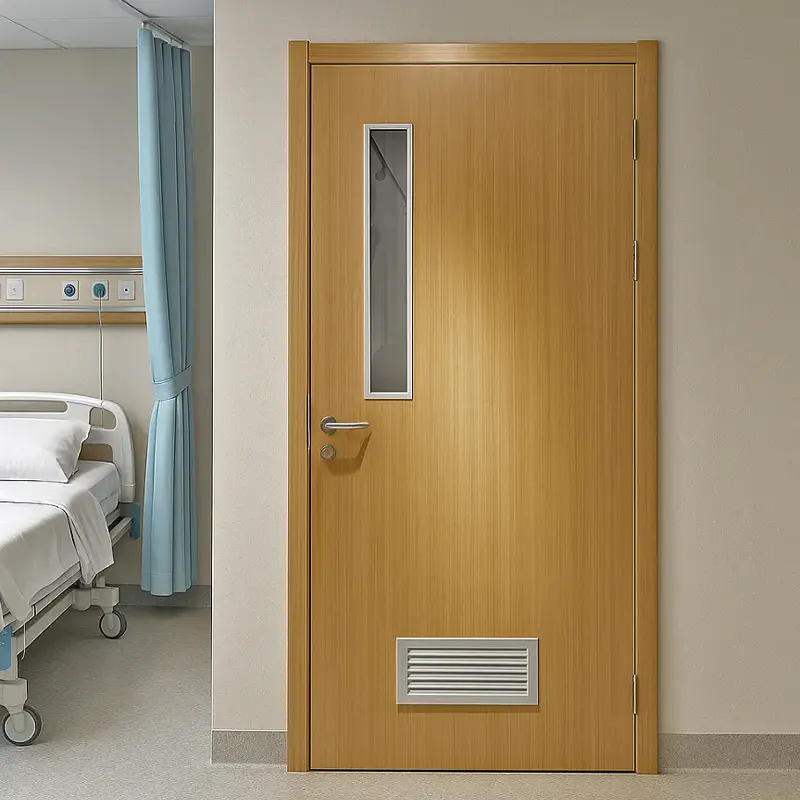
A door does more than separate one room from another. In many buildings, the doorway also affects airflow, pressure differences, noise movement, dust control, and indoor comfort. This is where Airtight Doors become an interesting part of modern building design. Their structure focuses on reducing unwanted air movement around the door panel and frame, creating a more controlled separation between connected spaces.
The frame is an important part of the complete doorway system. Even a well-designed door panel can lose sealing performance if the frame does not fit correctly.
Manufacturers can use different frame structures according to wall construction and installation requirements. The connection between the frame and surrounding wall also needs to be considered during design.
A properly matched frame creates a stable contact surface for the sealing gasket. This helps reduce small gaps when the door is closed and gives the entire doorway a more consistent appearance.
Gaskets are small components, but they have a noticeable role in door performance. Usually positioned around the edges of the door, they compress when the door closes and fill small spaces between the door leaf and frame.
Different gasket materials can provide different levels of flexibility and compression. The gasket shape also matters because it needs to maintain contact without making the door difficult to operate.
For this reason, gasket selection is often considered during the early stage of door design rather than treated as a separate detail after production.
Airtight Doors can be found in various controlled indoor environments. They are used in industrial facilities, laboratories, healthcare-related spaces, food processing areas, clean production rooms, storage areas, and other locations where separation between rooms is important.
Some facilities use them to help manage airflow between adjacent areas. Others choose them because the sealed doorway fits the functional requirements of a particular room.
Door size, opening direction, material, and hardware can vary according to the application. This allows manufacturers to develop different configurations for different building layouts.
Door panels can be produced from materials such as stainless steel, coated steel, aluminum, glass, or composite structures. The selection depends on the intended application, appearance, weight, and structural requirements.
Stainless steel panels are often selected for spaces that require a clean and durable surface. Glass sections can provide visibility between rooms, while coated metal panels offer additional options for color and appearance.
The combination of panel material and frame design can also influence the overall weight of the door. Hardware needs to match this structure so that opening and closing remain practical.
Modern Airtight Doors can use either manual or automatic opening systems. Manual doors are straightforward and may suit areas with lower traffic. Automatic systems can be useful in locations where hands-free access or frequent movement is required.
Sliding and swing configurations provide different space arrangements. Sliding doors can work well in areas where swing clearance is limited, while hinged designs can suit conventional doorway layouts.
Sensors, push buttons, handles, and access-control components may also be integrated according to the building's operational needs.
Not every doorway has identical dimensions or functional requirements. Manufacturers can customize door width, height, frame structure, panel material, color, hardware, and sealing components.
For buyers, providing accurate drawings and application information can help manufacturers select an appropriate configuration. Sample approval and dimensional confirmation can also make communication easier during custom production.
Airtight Doors combine several components into one functional doorway system. From the frame and gasket to the panel and hardware, each element contributes to how the finished door performs. Their role is not simply to close an opening, but to create a more controlled connection between different indoor spaces.
Your email address will not be published. Required field are marked*
Product Recommendations
Explore Our Medical Door Solutions
Contact Information
No. 87, Xingwang Road, Zaotang Industrial Zone, Xicheng Street, Yongkang, Zhejiang, China
+86-13758983507
+86-579-87321128
Mobile


 English
 Español