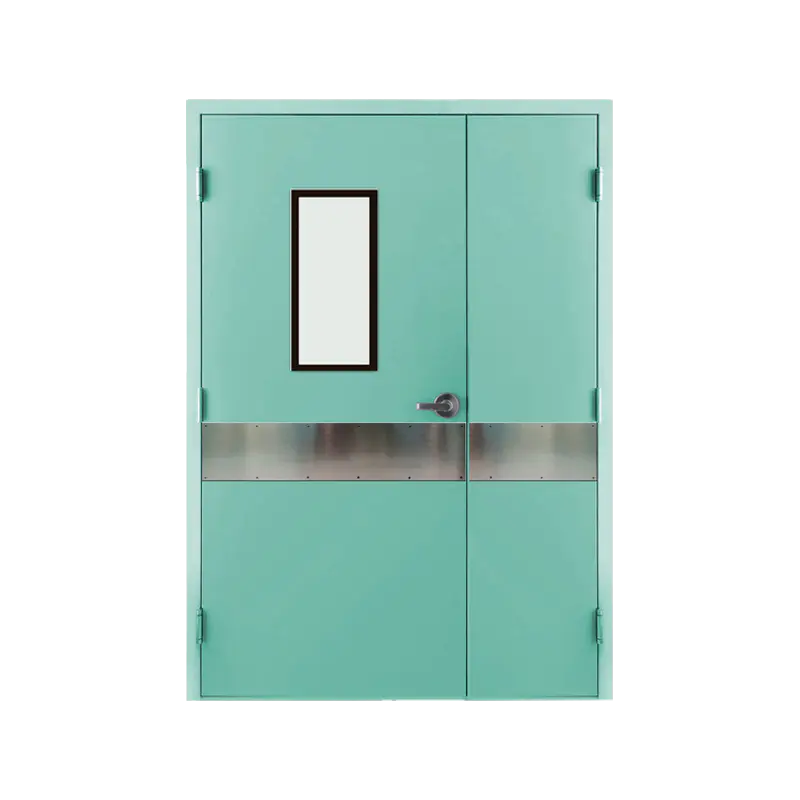
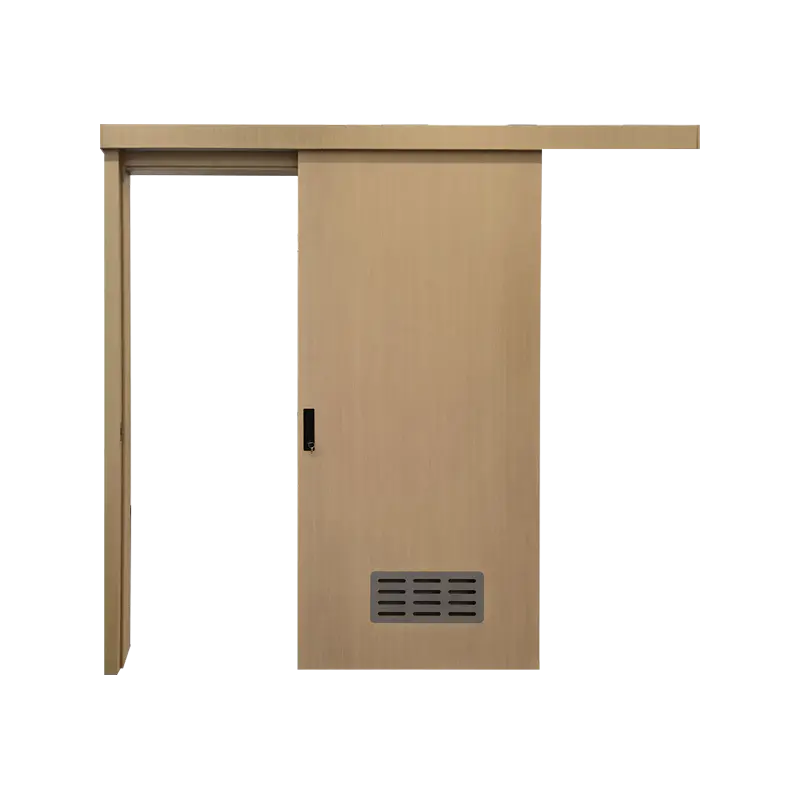
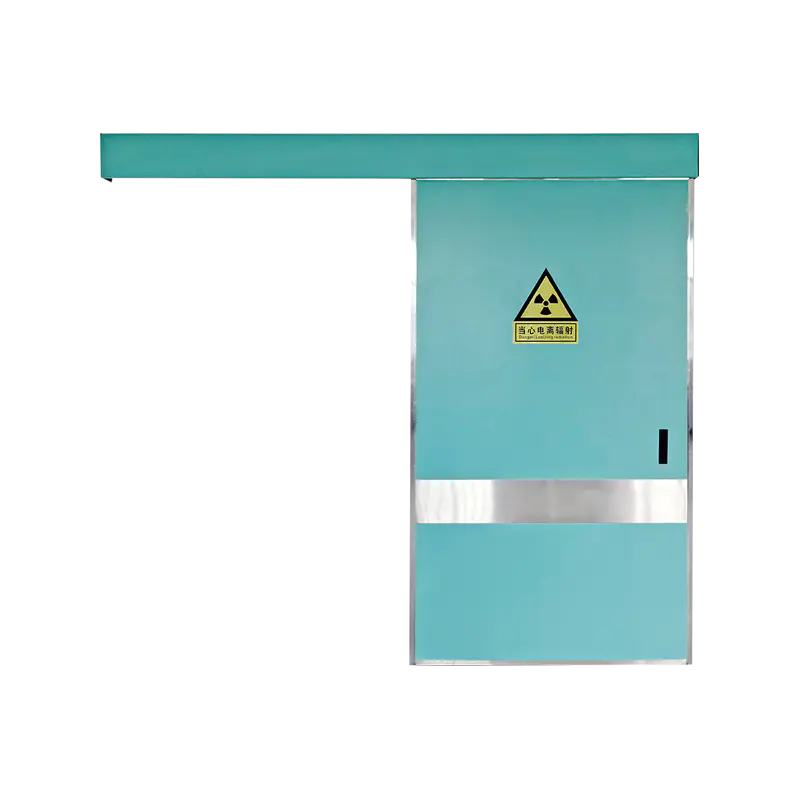
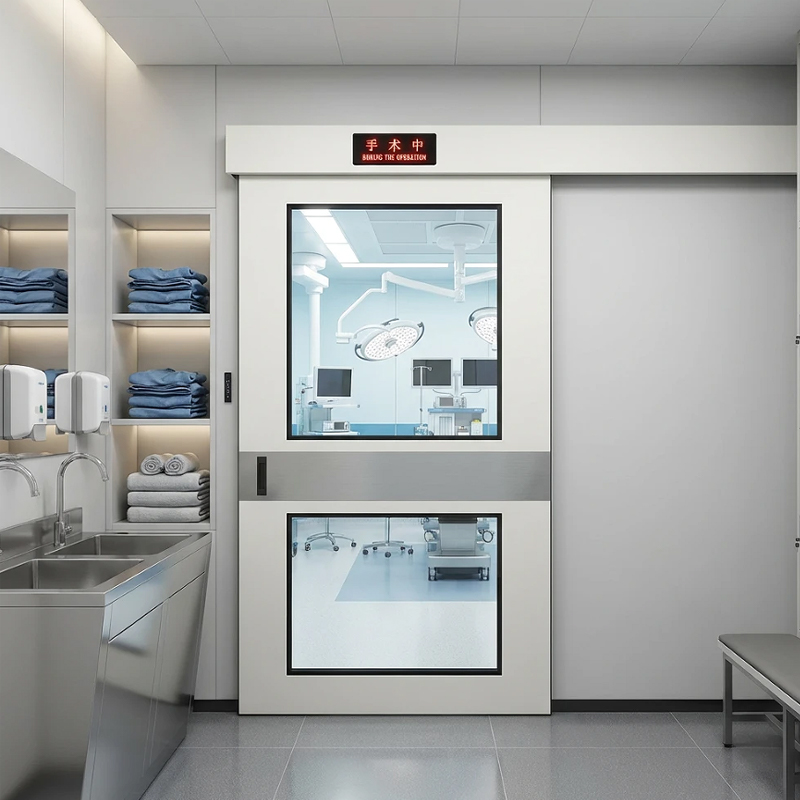
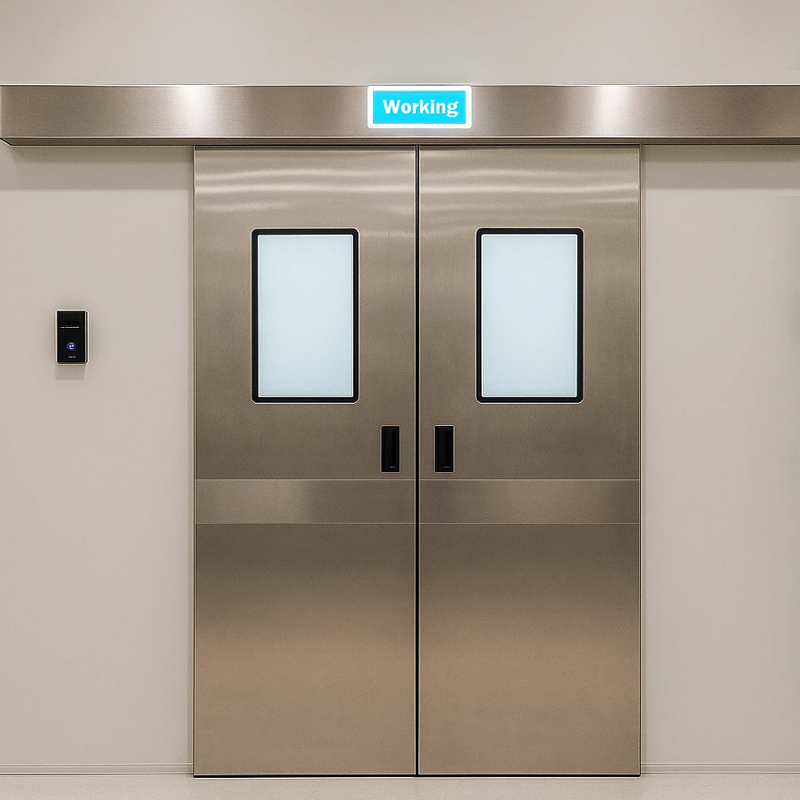
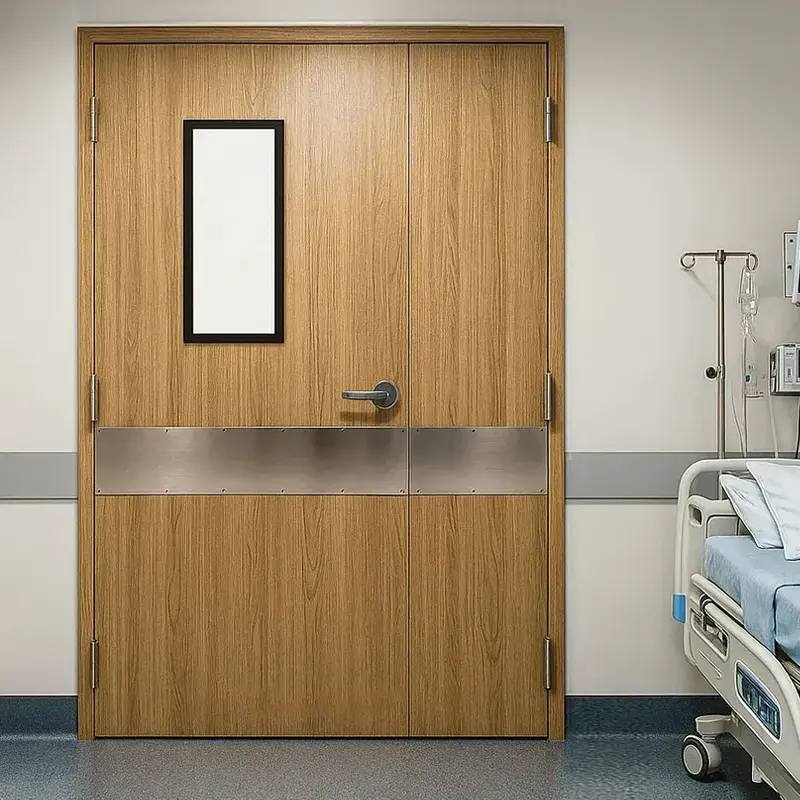
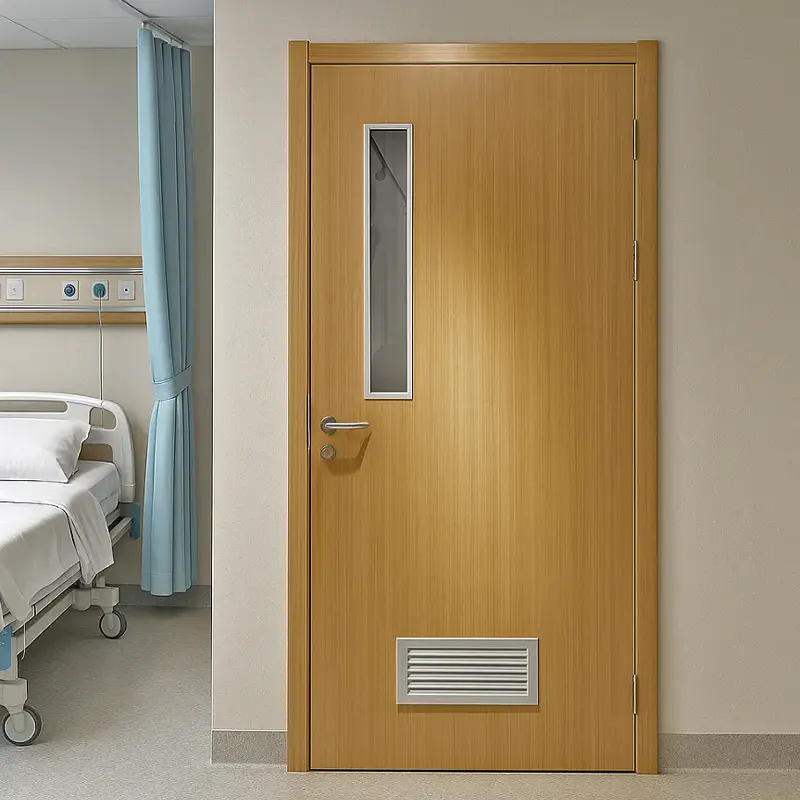
Automatic doors tend to bring one image to mind: the sliding glass panels found at grocery stores and airports. But that's only part of the picture. Electric hinged doors take a more traditional door shape, one that swings open on a pivot rather than sliding sideways, and add motorized operation to it. The result is a door that looks familiar in structure but functions with the same hands-free convenience people expect from automatic entrances.
Electric hinged doors generally rely on one or more activation methods, and the choice often depends on the building's specific needs. Common triggering options include:
Some installations combine multiple trigger types, allowing a door to respond to both automatic sensors and manual push buttons depending on how a building manages its entrance flow.
The decision between electric hinged doors and sliding automatic doors often comes down to available space and existing frame structure. Hinged doors work well in openings that were originally designed for a traditional swinging door, since retrofitting a sliding track system into that same space can require more structural modification. Businesses renovating an existing entrance sometimes find it simpler to motorize an existing hinged frame than to replace it entirely with a sliding mechanism.
Hinged doors also tend to suit narrower entrances better, since sliding doors need extra wall space on either side to accommodate the door as it slides open. In tighter building layouts, a swinging door that opens inward or outward without requiring that extra clearance can be a more practical fit.
Setting up electric hinged doors involves more than just attaching a motor to an existing door. A full system generally includes several coordinated parts working together. Typical components include:
Each component needs to be matched appropriately to the door's weight and size, since an operator rated for a lightweight door won't necessarily handle a heavier commercial-grade door without strain.
Electric hinged doors appear across a fairly wide range of building types, though certain settings favor them more than others. Hospitals and clinics often use them at entrances where hands-free access matters for both patients and staff carrying equipment. Office buildings sometimes install them at main entrances to project a polished, accessible first impression. Retail spaces with narrower storefronts also lean toward hinged configurations when a sliding system simply wouldn't fit the available frame width.
In each of these settings, the underlying appeal remains similar: a familiar door shape that operates with added convenience, without requiring the structural changes that a sliding door system might demand. This flexibility in application is part of what keeps electric hinged doors a relevant option across such a broad mix of building types and entrance configurations.
Your email address will not be published. Required field are marked*
Product Recommendations
Explore Our Medical Door Solutions
Contact Information
No. 87, Xingwang Road, Zaotang Industrial Zone, Xicheng Street, Yongkang, Zhejiang, China
+86-13758983507
+86-579-87321128
Mobile


 English
 Español