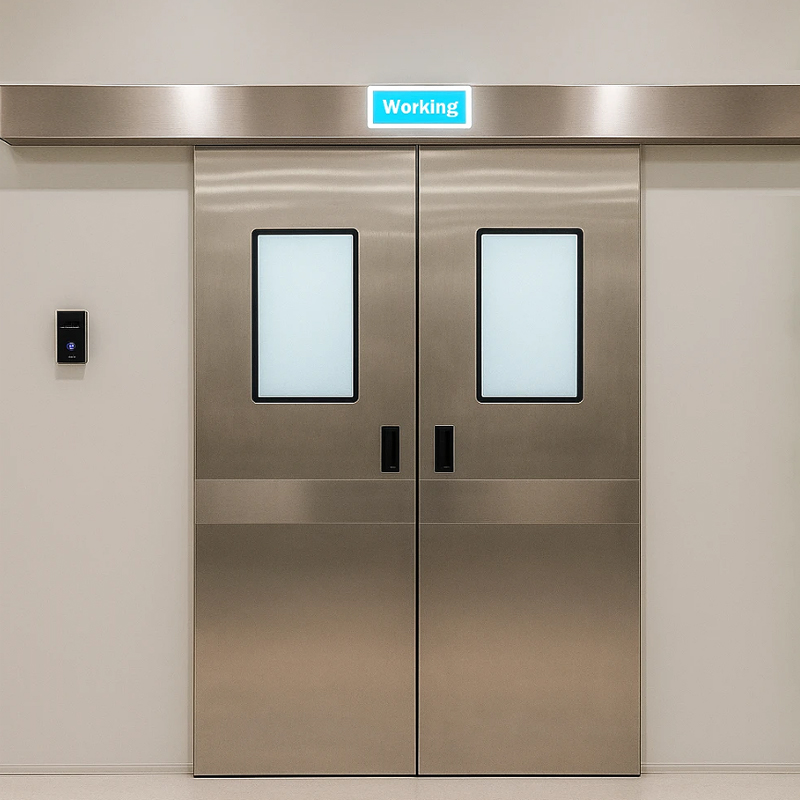
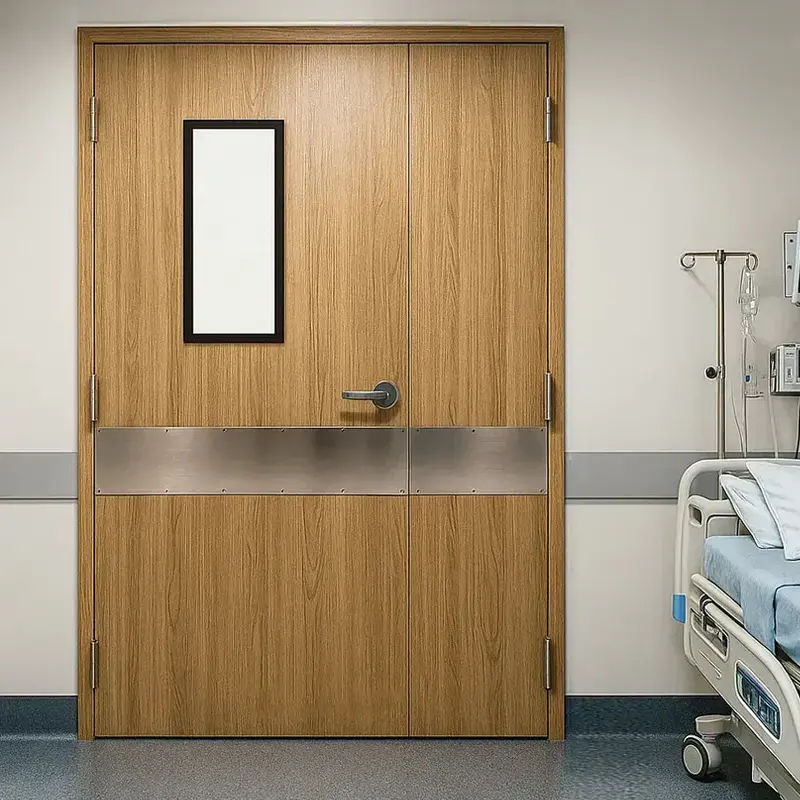
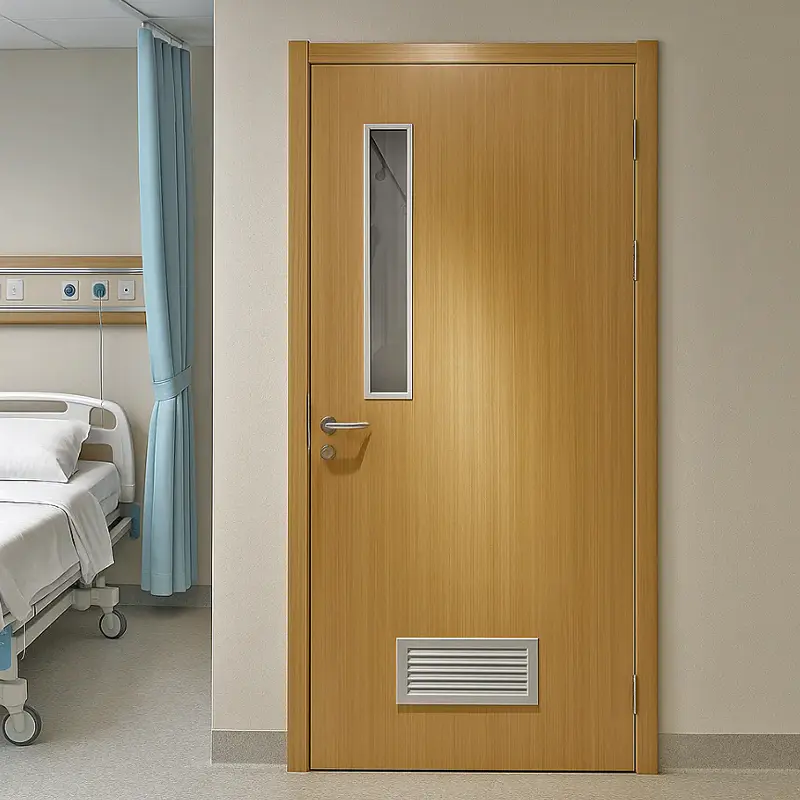
Electric sliding doors appear in many commercial and industrial buildings where steady movement of people or goods matters. Overseas buyers who source these systems for offices, warehouses, clinics, or retail centers look for clear performance details rather than marketing claims. Understanding the basic construction and application range helps purchasing teams match the right configuration to each project.
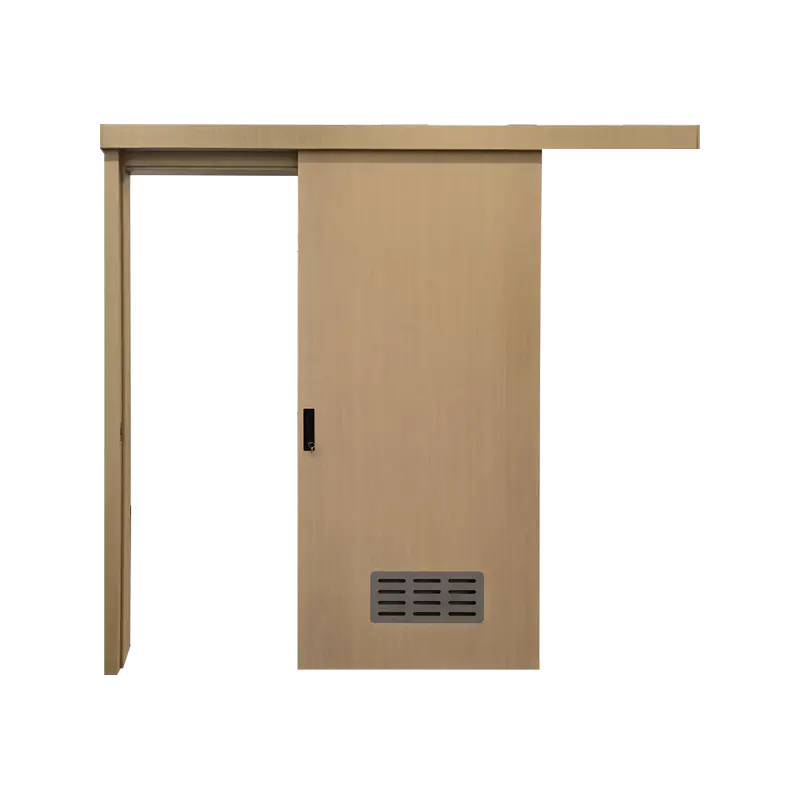
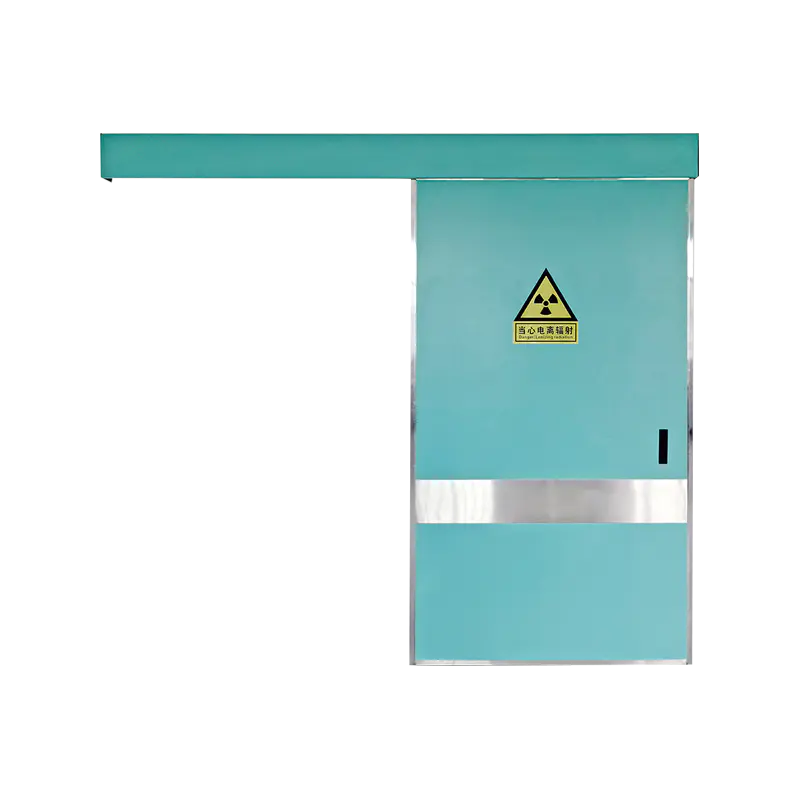
An electric sliding door system consists of one or more glass or solid panels that move horizontally along a track. An electric motor drives the panels through a belt, chain, or gear mechanism. Sensors detect approaching traffic and send a signal to the control unit, which opens the door for a set time before closing it again. The entire assembly mounts above or within the doorway header so the floor remains clear.
Panel materials vary. Tempered glass panels remain common in offices and public buildings because they allow light to pass while still providing a solid barrier. Solid panels made from aluminum or composite materials suit warehouses and production areas where privacy or impact resistance is preferred. Frame profiles are usually aluminum extrusions chosen for strength and corrosion resistance. A factory that produces electric sliding doors can adjust panel thickness, frame depth, and finish to suit the surrounding architecture.
The motor size depends on panel weight and opening width. Larger openings or heavier panels require more torque, so the drive unit is selected accordingly. Control boards manage opening speed, closing speed, and hold-open time. Many systems allow technicians to fine-tune these parameters on site so the door responds appropriately to local traffic patterns.
Safety edges or presence sensors along the leading edge stop the door if an object is detected during closing. Infrared or microwave sensors above the doorway detect people or carts approaching from either side. These elements work together so the door opens only when needed and remains open long enough for safe passage. Buyers reviewing electric sliding doors should confirm that the sensor layout matches the expected traffic direction and volume.
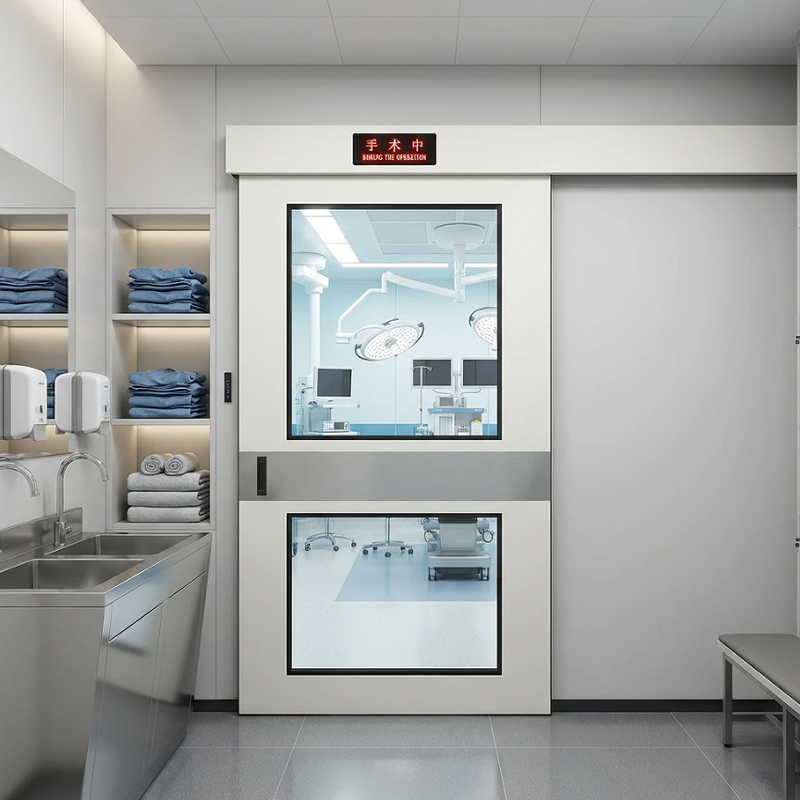
In office buildings, electric sliding doors often form the main entrance or separate lobby areas from internal corridors. The smooth, automatic movement reduces congestion during peak arrival and departure times. In healthcare facilities the same systems create controlled access points between waiting areas and treatment zones. Warehouses and distribution centers use wider versions that allow pallet jacks or small forklifts to pass without manual intervention.
Retail spaces install electric sliding doors at storefronts to maintain climate separation while welcoming customers. Manufacturing plants sometimes place them between clean zones and general production floors. In each case the door width, panel height, and operating speed are adjusted to the specific traffic. A supplier familiar with these different settings can propose suitable track lengths and motor ratings without oversizing the equipment.
Electric sliding doors often integrate with access-control systems. Card readers, keypads, or remote switches can trigger opening for authorized users while keeping the door locked at other times. Fire-alarm interfaces can force the door open or closed according to the building’s emergency plan. These connections are handled through the control board and require coordination between the door supplier and the building’s electrical contractor.
Track alignment and floor conditions affect long-term performance. Uneven floors or excessive dust can interfere with the bottom guides. Clear communication about site conditions helps the factory recommend the correct guide type and track support. Early exchange of drawings and traffic data usually leads to a smoother installation once the equipment arrives on site.
Your email address will not be published. Required field are marked*
Product Recommendations
Explore Our Medical Door Solutions
Contact Information
No. 87, Xingwang Road, Zaotang Industrial Zone, Xicheng Street, Yongkang, Zhejiang, China
+86-13758983507
+86-13967923520
+86-579-87321128
Mobile


 English
 Español