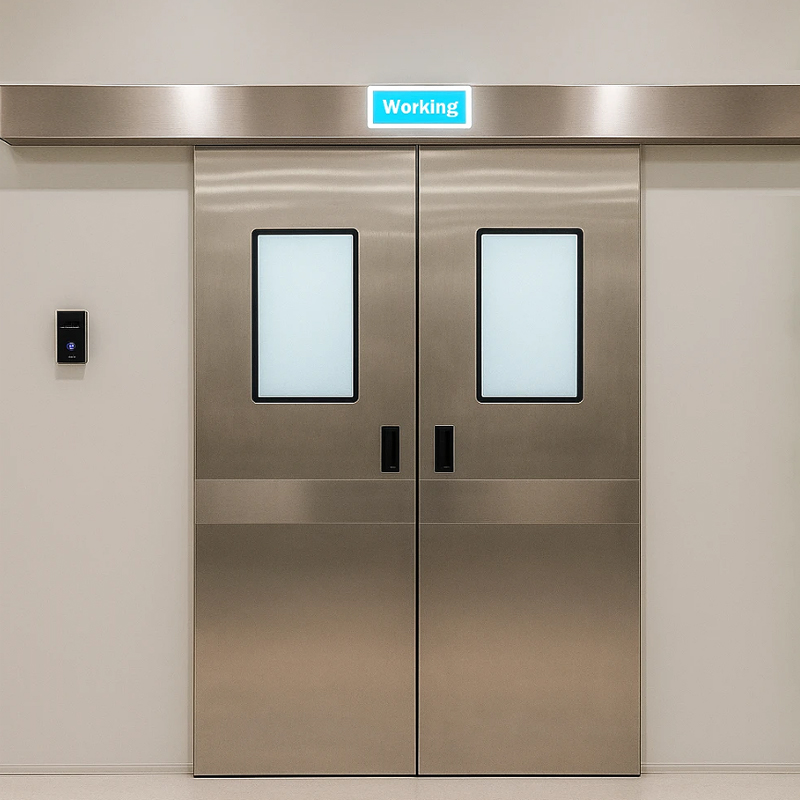
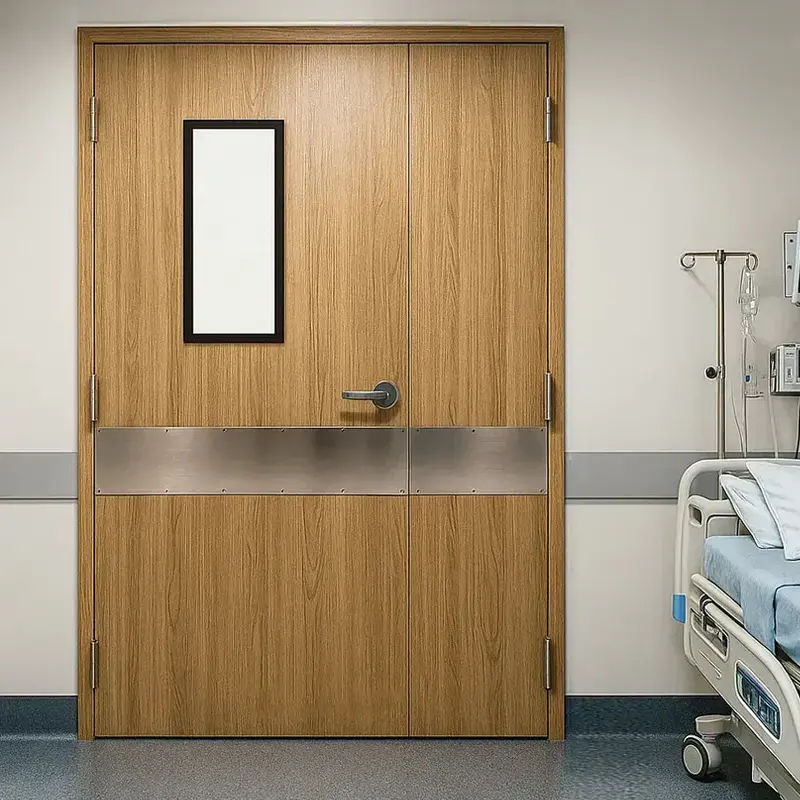
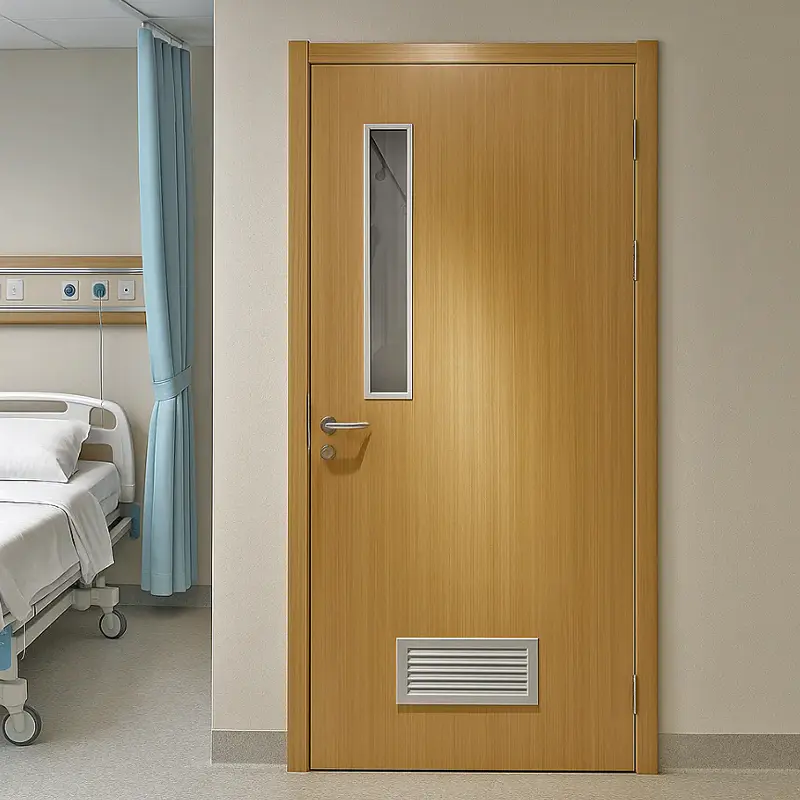
Hospital doors are more than architectural components. They are part of the daily movement of medical staff, patients, equipment, and supplies between different areas. From patient rooms and treatment spaces to laboratories and corridors, door materials and structural designs influence how healthcare facilities are organized. Resin Medical Doors have become a product category worth considering for hospital construction projects because of their surface characteristics, design flexibility, and suitability for different interior applications.
Material selection is an important part of hospital interior planning. Doors in healthcare facilities are exposed to frequent contact, regular movement, and different indoor operating conditions. Therefore, the material needs to correspond to the intended application.
Resin is used in various door products because it can provide a smooth surface and support different colors, textures, and decorative finishes. Depending on the material formulation and production process, resin door panels can also offer resistance to everyday surface wear and common indoor moisture exposure.
Compared with traditional decorative door surfaces, resin-based designs provide manufacturers with additional flexibility in appearance and panel configuration.
For Resin Medical Doors, these characteristics make them suitable for projects that require functional door systems with coordinated interior finishes. Buyers can discuss panel thickness, surface color, edge treatment, and door dimensions according to the architectural design.
Hospital doors experience frequent physical contact from staff, patients, visitors, and equipment. Surface design therefore has a practical role beyond appearance.
A smooth resin surface can provide a consistent finish and reduce the number of visible surface details. Depending on the selected resin system, the panel may also offer resistance to scratches, stains, and routine indoor moisture exposure.
Color selection is another relevant factor. Medical facilities often use different colors to distinguish departments, identify room functions, or maintain a consistent interior style. Resin door panels can be produced in various color options, allowing project teams to coordinate doors with wall panels, partitions, and other interior materials.
For Resin Medical Doors, surface texture and color are not simply decorative choices. They are part of the overall architectural specification and can influence how different hospital areas look and function.
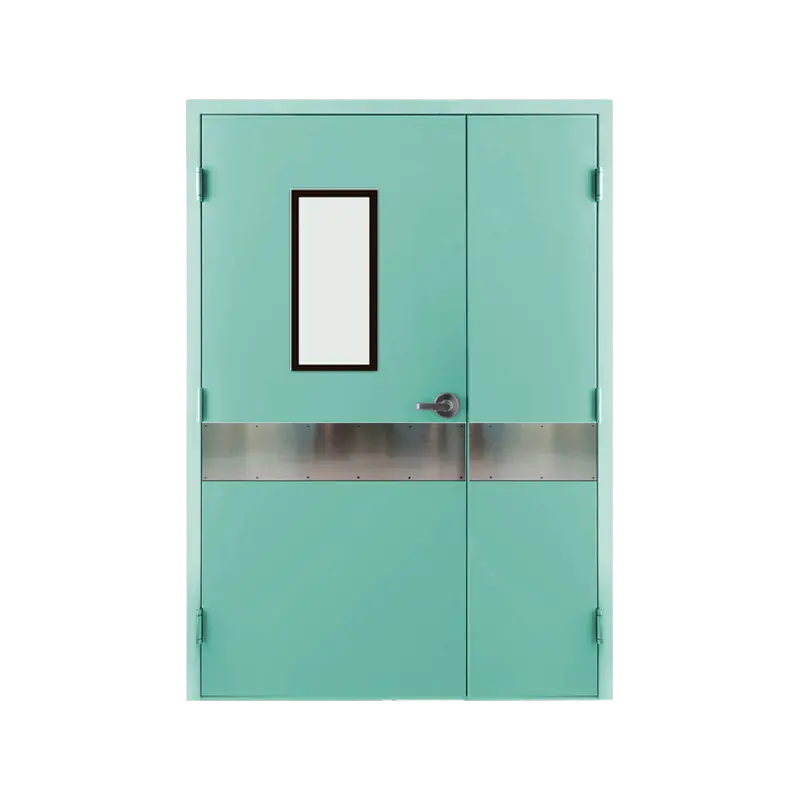
Not every hospital space uses the same type of door. Single-leaf doors are common in patient rooms, offices, and smaller treatment spaces, while wider openings may require double-leaf configurations.
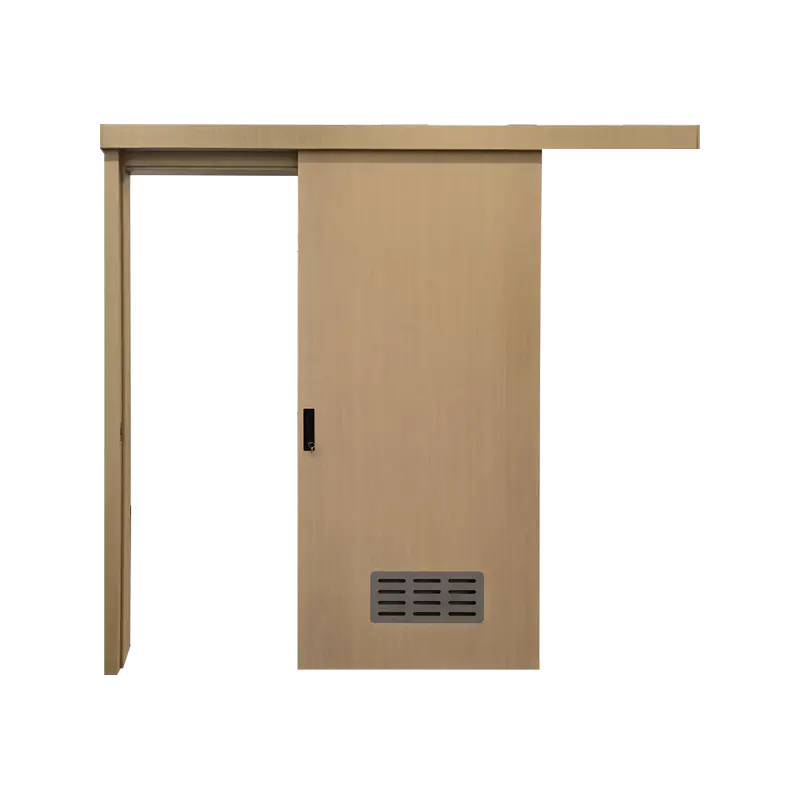
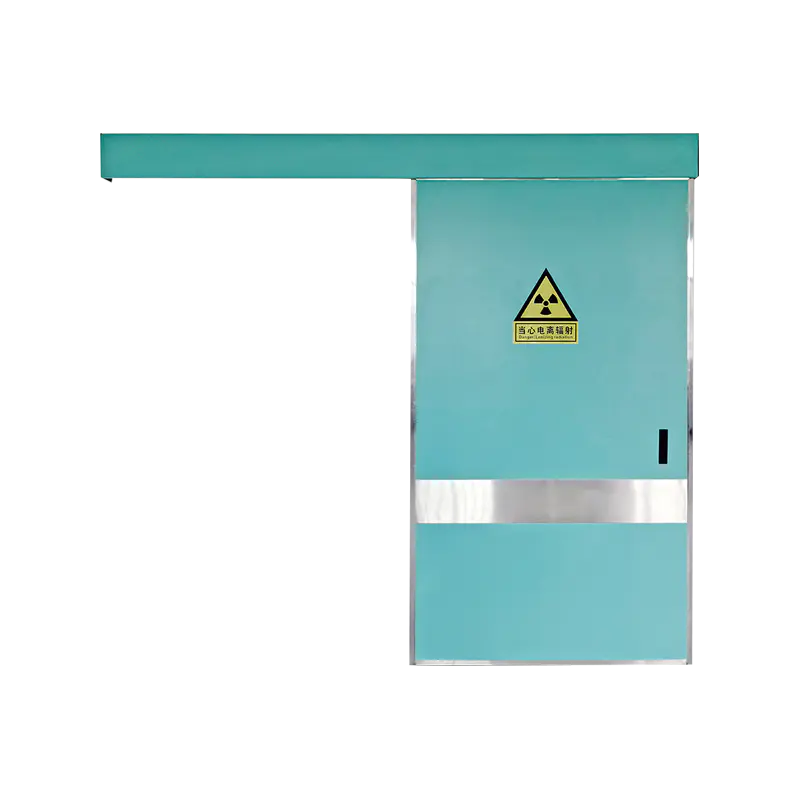
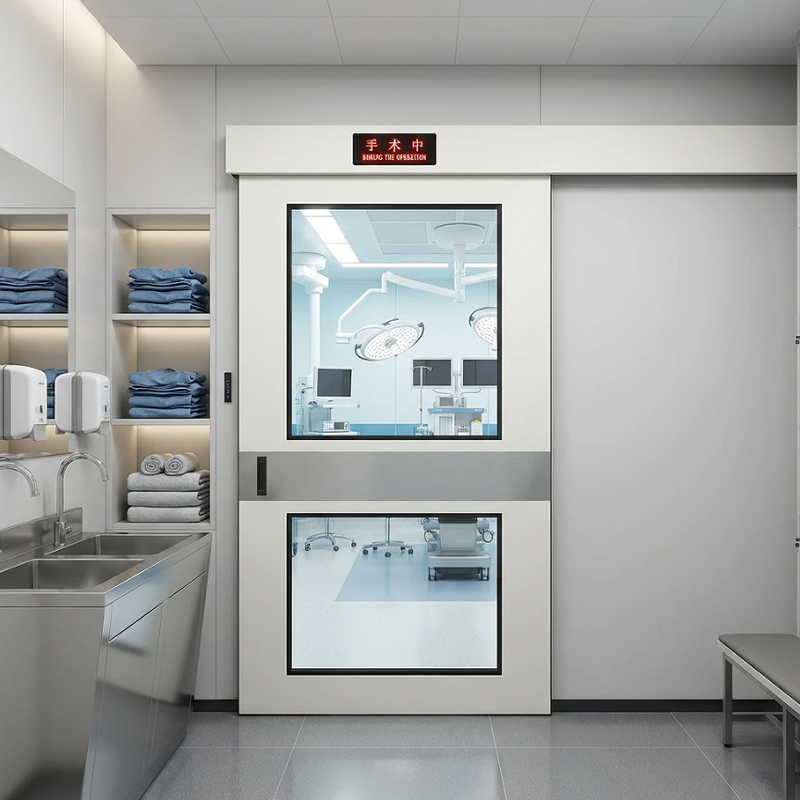
Sliding doors can be considered in areas where available floor space is limited or where the room layout requires a different opening arrangement. Swing doors remain a practical option for many standard hospital rooms and internal access points.
Hardware also needs to correspond to the intended use. Handles, hinges, locks, door closers, and viewing windows can be configured according to project requirements.
Some medical projects may also require specialized door functions, such as automatic opening systems or integrated access control. These features should be discussed with the door manufacturer during the technical planning stage.
When specifying Resin Medical Doors, buyers should consider the complete opening configuration rather than treating the door panel as an independent product.
Your email address will not be published. Required field are marked*

Product Recommendations
Explore Our Medical Door Solutions
Contact Information
No. 87, Xingwang Road, Zaotang Industrial Zone, Xicheng Street, Yongkang, Zhejiang, China
+86-13758983507
+86-13967923520
+86-579-87321128
Mobile


 English
 Español