Clinic doors are something most of us walk through without thinking twice, yet they shape how smoothly a medical visit goes. From the moment patients step inside until they leave, these doors manage the flow of people, help create privacy, and support the daily pace of appointments. Clinics of all sizes rely on them to keep things organized without calling attention to themselves.
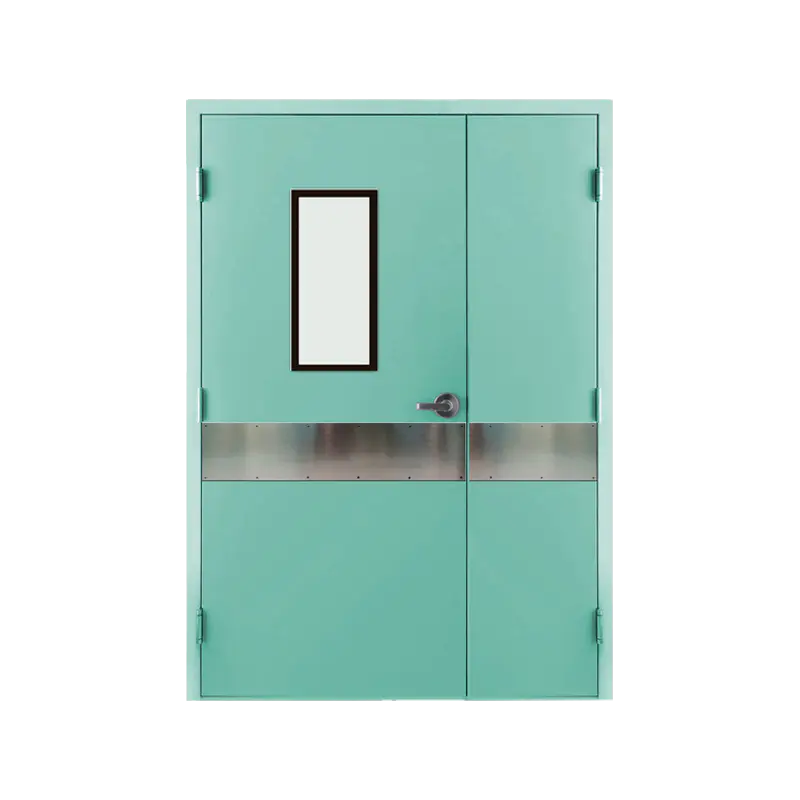
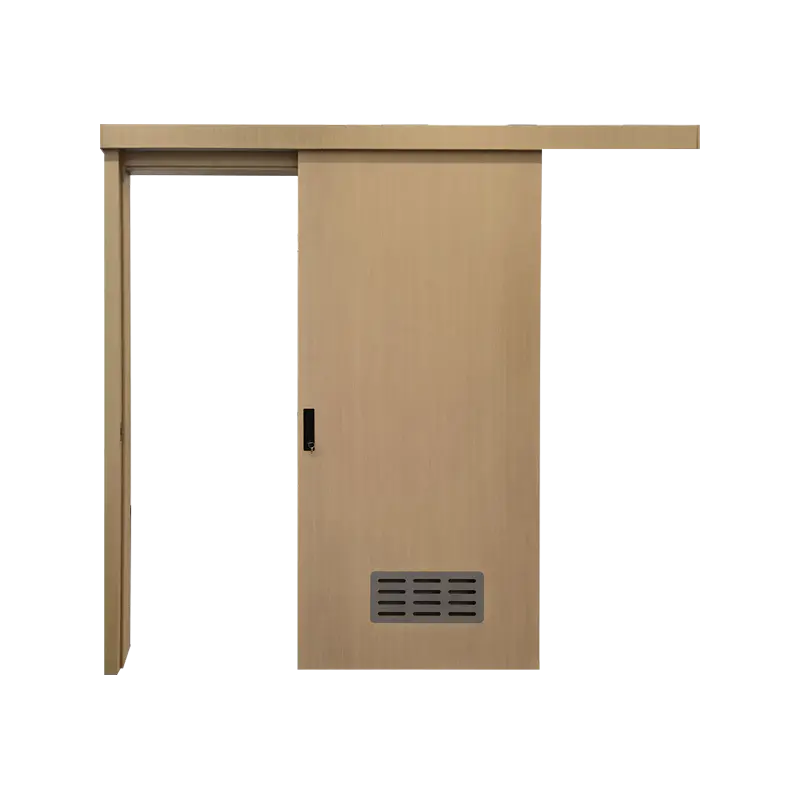
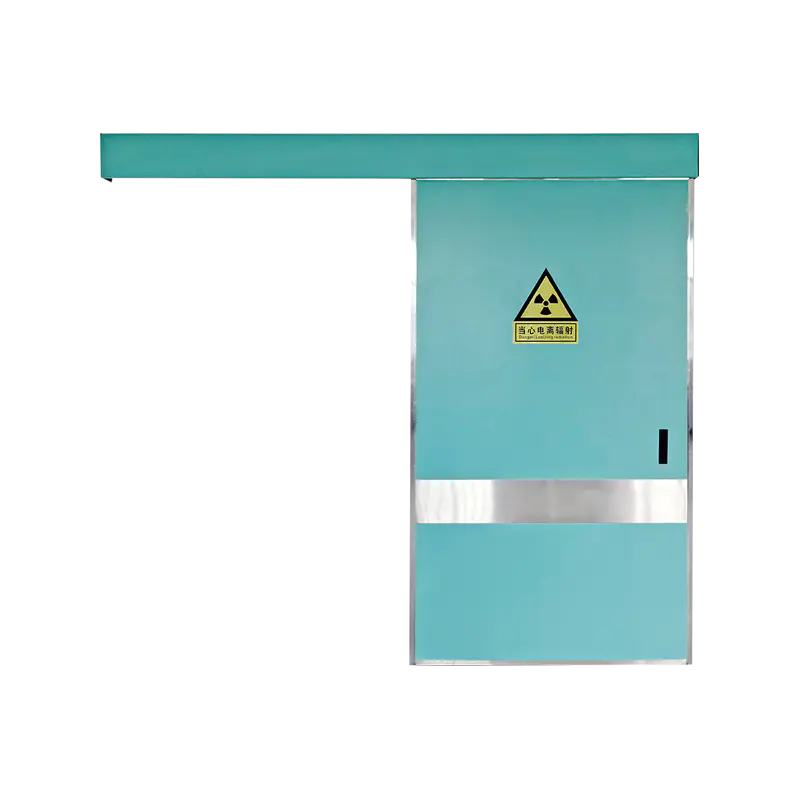
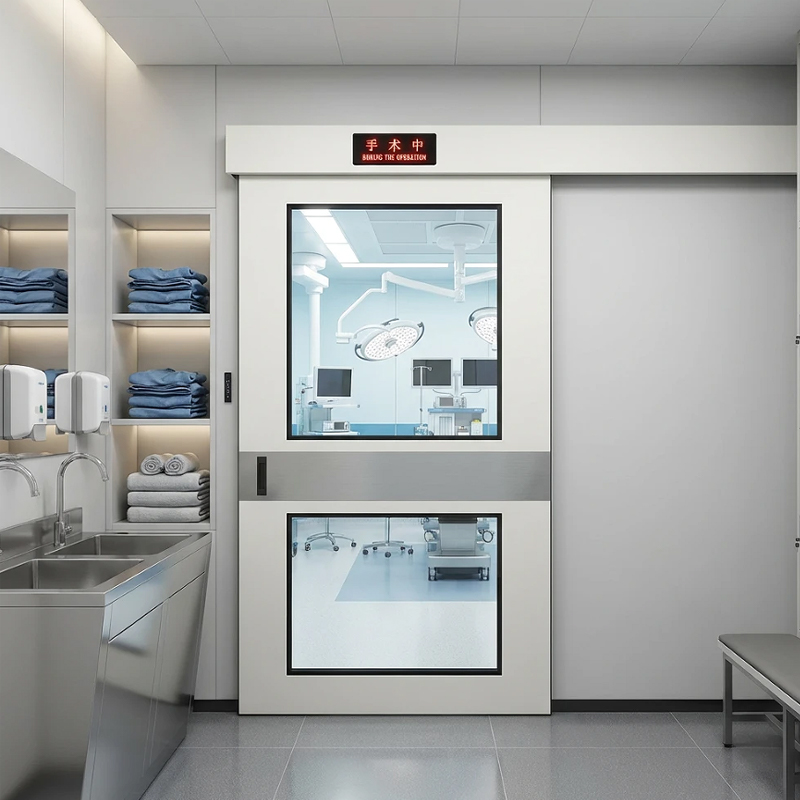
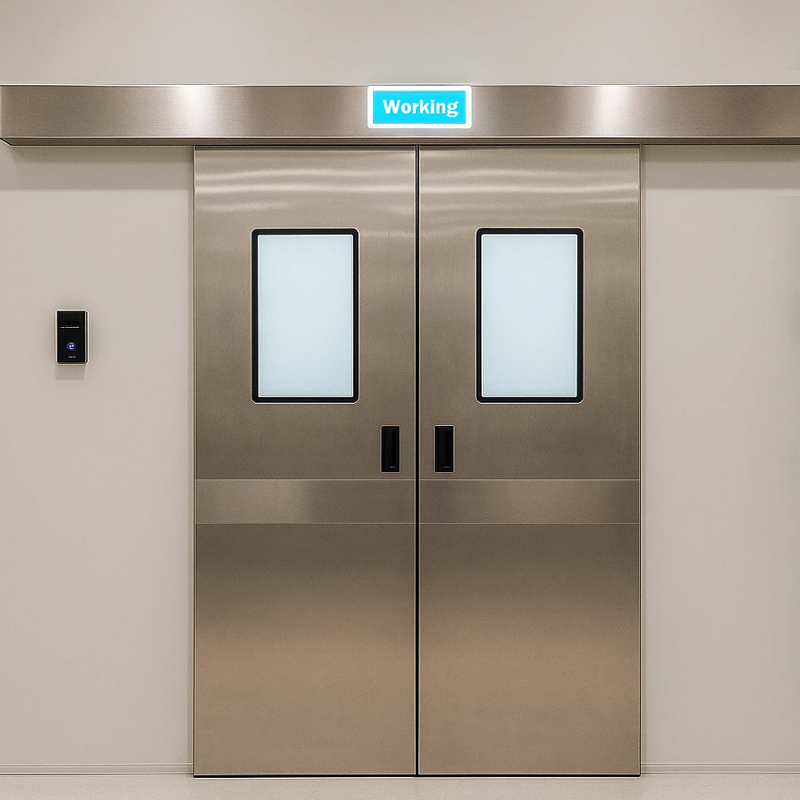
You’ll often see standard hinged doors in exam rooms because they offer a solid close and work well in smaller spaces. Sliding doors appear more in busier hallways where swinging space is limited. At the main entrance, many clinics have automatic doors that open with a simple sensor, making it easier for anyone pushing a stroller or using crutches. Each choice depends on how the clinic is laid out and what kind of traffic moves through during a normal day.
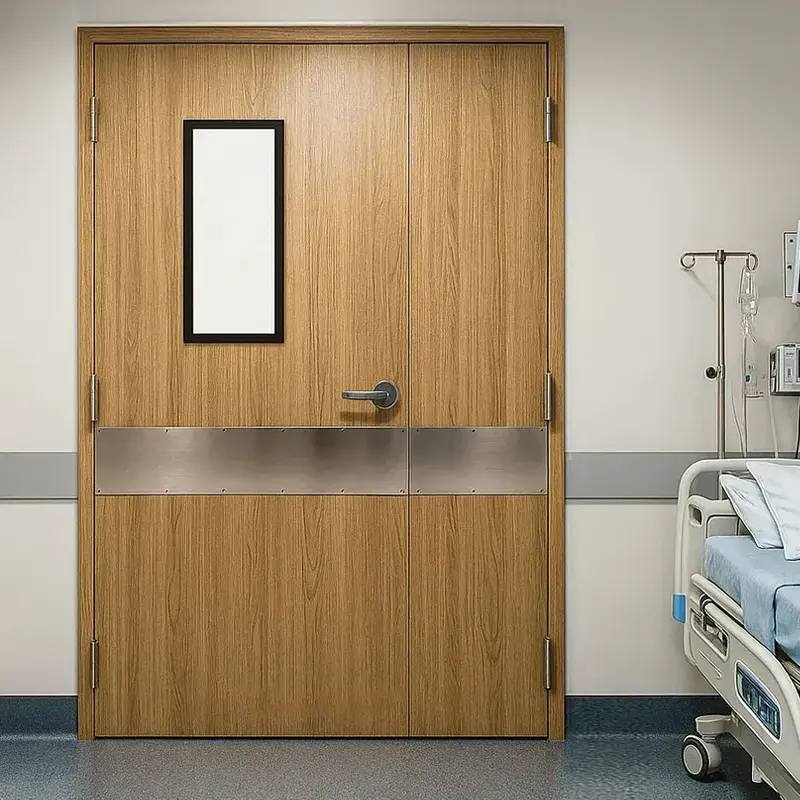
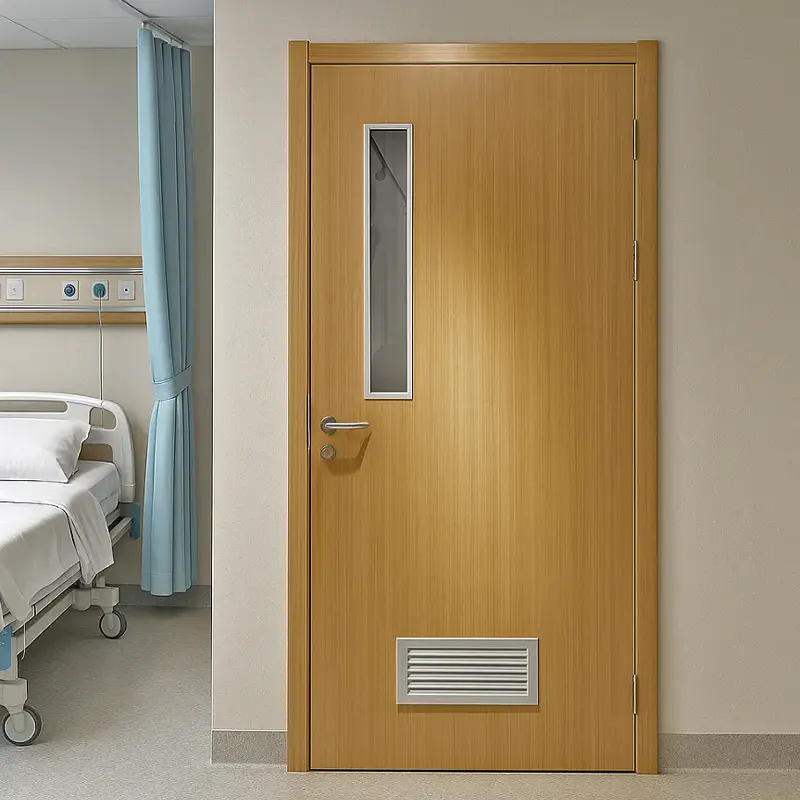
Steel doors remain popular in medical offices since they handle constant use and frequent wiping down. In waiting areas or consultation rooms, some clinics prefer doors with wood-look finishes to create a warmer feel. Glass inserts are common too, letting light move between spaces while still keeping areas separate. The frames and handles usually match so everything looks put together. These materials tend to blend into the background rather than stand out.
Solid doors help cut down on sound traveling between rooms where doctors discuss personal health matters. A small window in some doors lets nurses peek in quickly if needed without walking straight inside. Handles and locks vary depending on the room — some areas need extra security during sensitive appointments. The fit around the frame matters a lot; a tight seal keeps talks private and stops drafts. Patients tend to feel more at ease when they sense that their visit stays contained.
When clinics are built or updated, teams spend time measuring each opening so doors hang straight and close cleanly. Hinges and closing mechanisms get chosen based on how often a particular door will be used. In larger practices, matching the style of doors across different sections gives the whole space a cleaner look. Contractors usually talk with the doctors and nurses first to understand how people actually move through the building before deciding on swing direction and placement.
Clinic doors might seem like a small part of the medical experience, but they quietly support everything from quick check-ups to longer specialist visits. A family doctor’s office might focus on durable doors that can manage kids running in and out, while a specialty clinic may pay more attention to sound control for private conversations. In both cases, the goal stays the same: keep the space functional and comfortable.
You notice the effect when doors open easily with one hand or close without slamming. In busy periods, that reliability adds up. Many clinics stick with simpler hinged models in most rooms because they’re straightforward and easy to work with over time. Automatic entrance doors have become more standard in places that see older patients or anyone with heavy bags.
Overall, clinic doors do their job by staying in the background. They create the necessary boundaries between waiting areas, exam rooms, and staff zones while letting the real focus stay on patient care. Whether it’s a small neighborhood practice or a bigger outpatient center, these doors handle hundreds of openings and closings every week without much fanfare. They simply help the day move forward in a setting where timing and comfort both count.
Your email address will not be published. Required field are marked*
Product Recommendations
Explore Our Medical Door Solutions
Contact Information
No. 87, Xingwang Road, Zaotang Industrial Zone, Xicheng Street, Yongkang, Zhejiang, China
+86-13758983507
+86-579-87321128
Mobile


 English
 Español