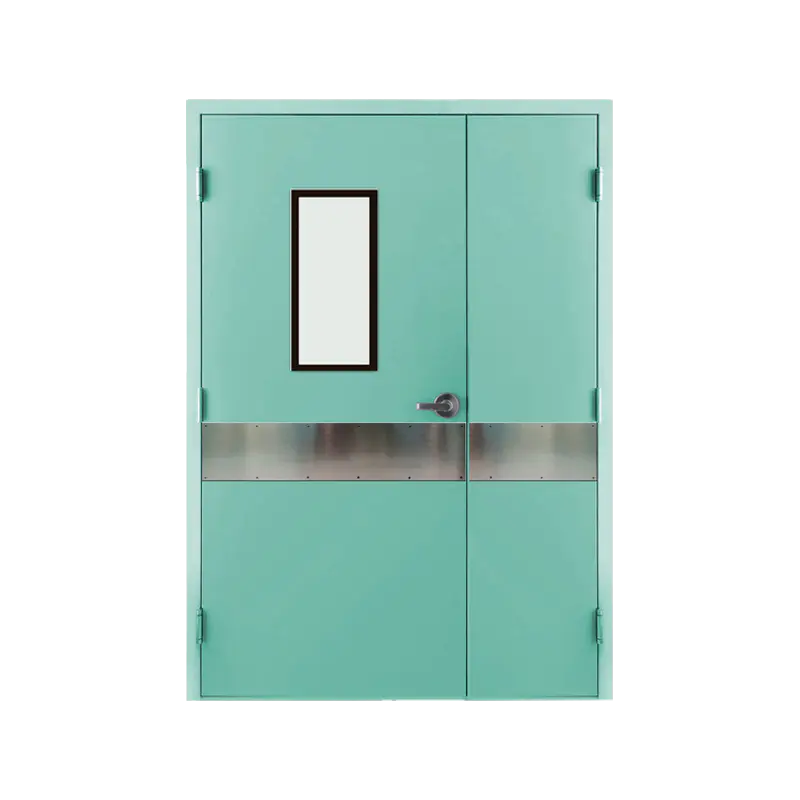
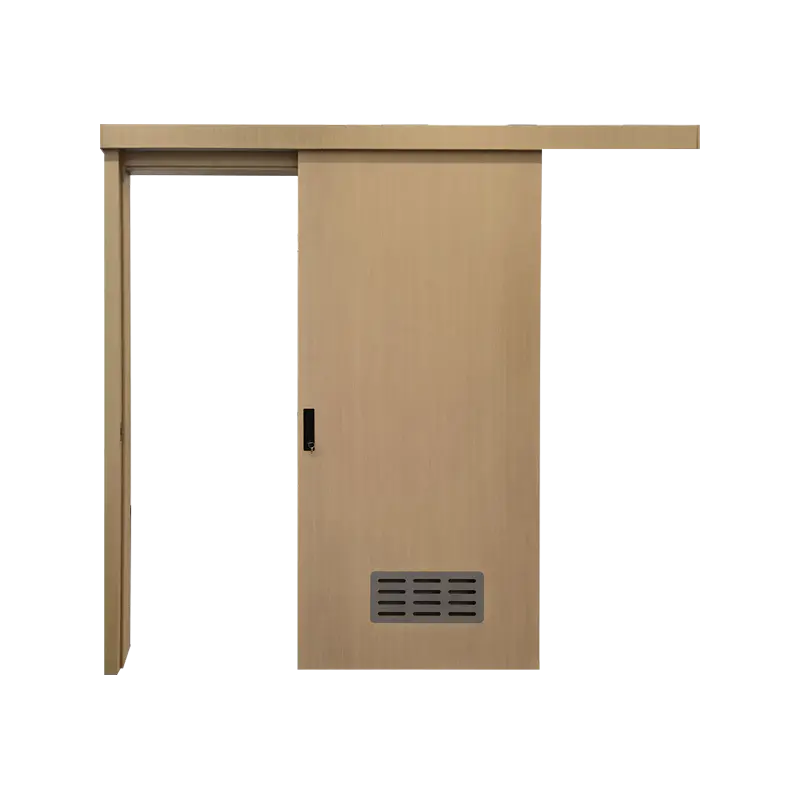
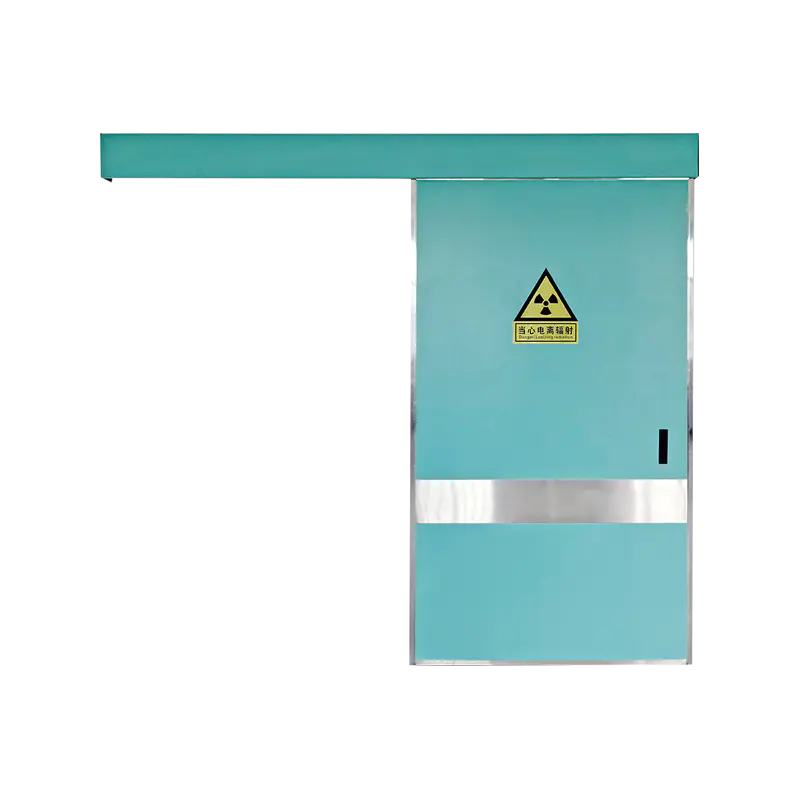
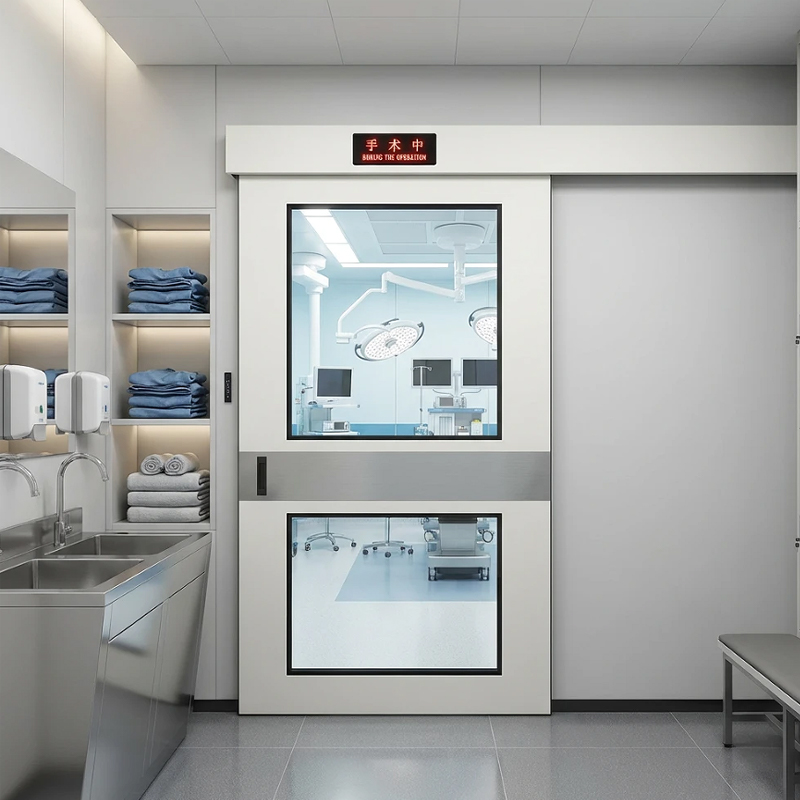
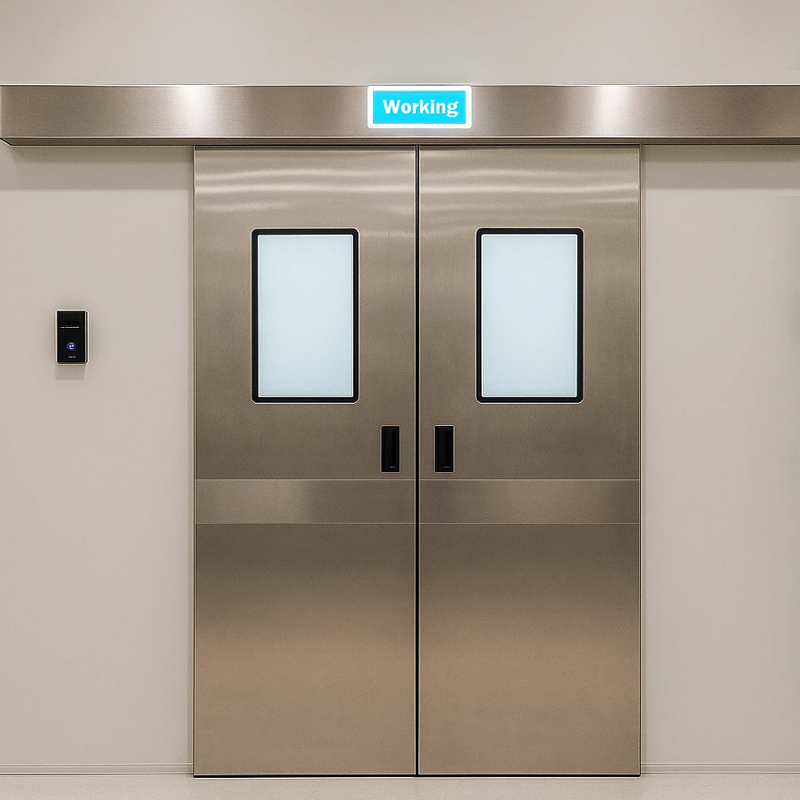
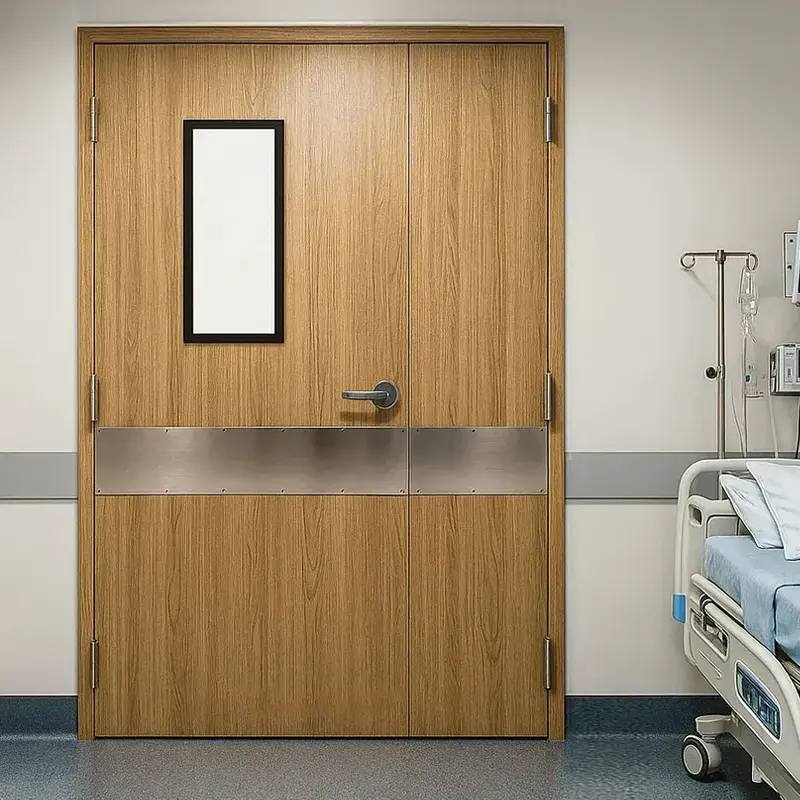
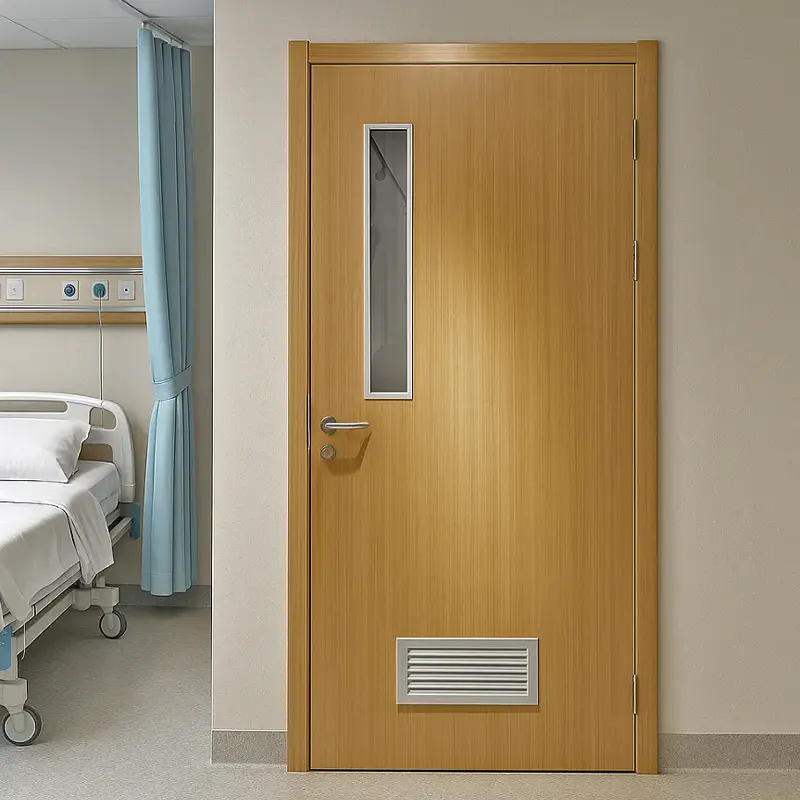
Healthcare buildings continue to evolve as designers place greater attention on comfort, functionality, and efficient space planning. Alongside flooring, walls, and lighting, doors have become an important element that influences both appearance and everyday use. Wooden Medical Doors are increasingly selected for hospitals, clinics, rehabilitation centers, diagnostic facilities, and healthcare offices because they combine an inviting appearance with practical performance suitable for busy environments.
Medical environments are no longer designed with functionality alone. Many healthcare facilities aim to create interiors that help visitors and patients feel comfortable from the moment they enter the building. Natural wood textures and carefully selected finishes contribute to a warm atmosphere without reducing practicality.
A variety of decorative options are available, including light wood grains, darker finishes, smooth painted surfaces, and contemporary neutral colors. These choices allow Wooden Medical Doors to complement reception areas, consultation rooms, patient wards, meeting rooms, and administrative offices.
Glass vision panels are also commonly integrated into door designs. These panels allow staff to observe activity inside a room while maintaining an organized and open interior layout.
Healthcare facilities experience continuous door movement throughout the day. Doors open and close frequently as patients, visitors, medical staff, and equipment move between rooms. Because of this demanding environment, manufacturers place significant attention on structural engineering during production.
Typical design considerations include:
Advanced machining equipment allows manufacturers to produce consistent door dimensions, helping installation teams complete projects more efficiently while maintaining uniform appearance across an entire building.
Every healthcare facility contains rooms with different functions, and door designs often vary according to each area's layout and traffic patterns. Consultation rooms may require compact single-leaf doors, while larger treatment areas or equipment rooms often benefit from wider openings.
Manufacturers now offer extensive customization options that allow project teams to select suitable dimensions, panel styles, colors, and hardware combinations. Decorative veneers, laminate finishes, concealed hinges, and integrated vision panels can all be adapted to match architectural plans.
Many Wooden Medical Doors are designed to coordinate visually with surrounding wall systems, cabinetry, and interior finishes. This unified appearance creates a clean and organized environment throughout the facility while supporting efficient space planning.
Digital production technology has changed the way wooden medical doors are designed and manufactured. Computer-aided design software allows engineers to prepare accurate production drawings before materials enter the factory. CNC machining equipment then processes panels, frames, and component openings with consistent precision.
Manufacturing teams also coordinate production schedules for projects requiring large quantities of doors in multiple sizes. Organized production planning helps ensure that door components, frames, and hardware are prepared according to installation requirements.
Several production capabilities have become increasingly important:
As healthcare buildings continue to emphasize both functionality and welcoming interiors, Wooden Medical Doors remain an important architectural element. Their combination of adaptable design, engineered construction, manufacturing precision, and aesthetic flexibility allows architects, contractors, and healthcare facilities to create practical interior spaces that support smooth daily operations while maintaining an inviting appearance.
Your email address will not be published. Required field are marked*
Product Recommendations
Explore Our Medical Door Solutions
Contact Information
No. 87, Xingwang Road, Zaotang Industrial Zone, Xicheng Street, Yongkang, Zhejiang, China
+86-13758983507
+86-579-87321128
Mobile


 English
 Español