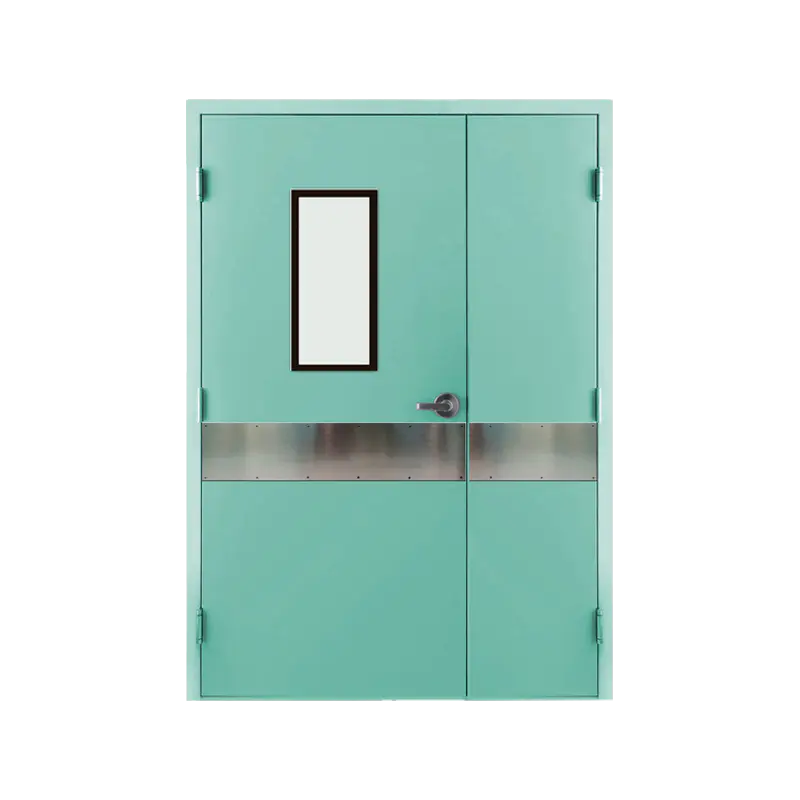
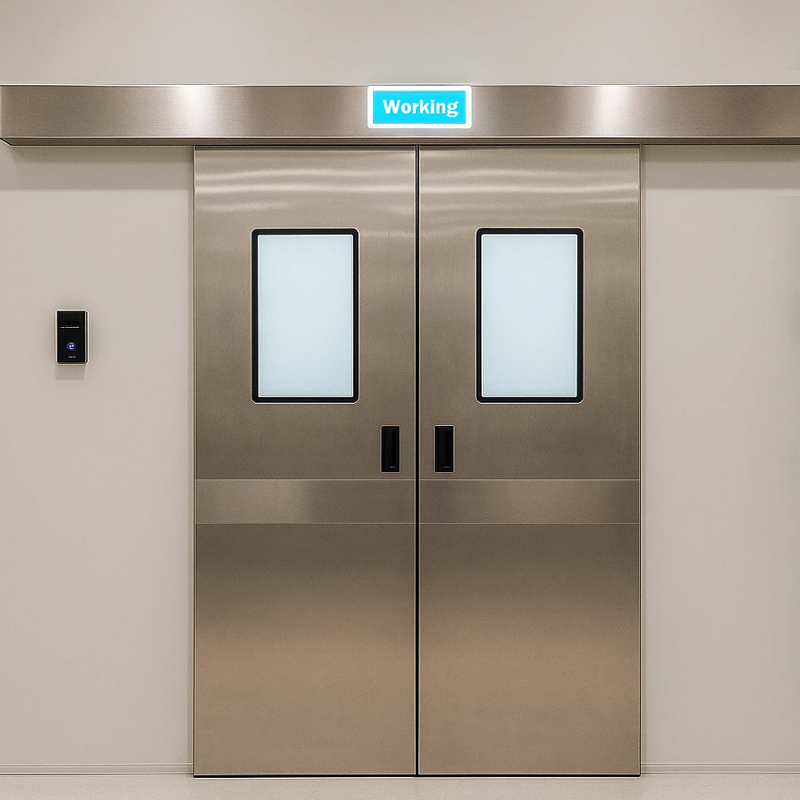
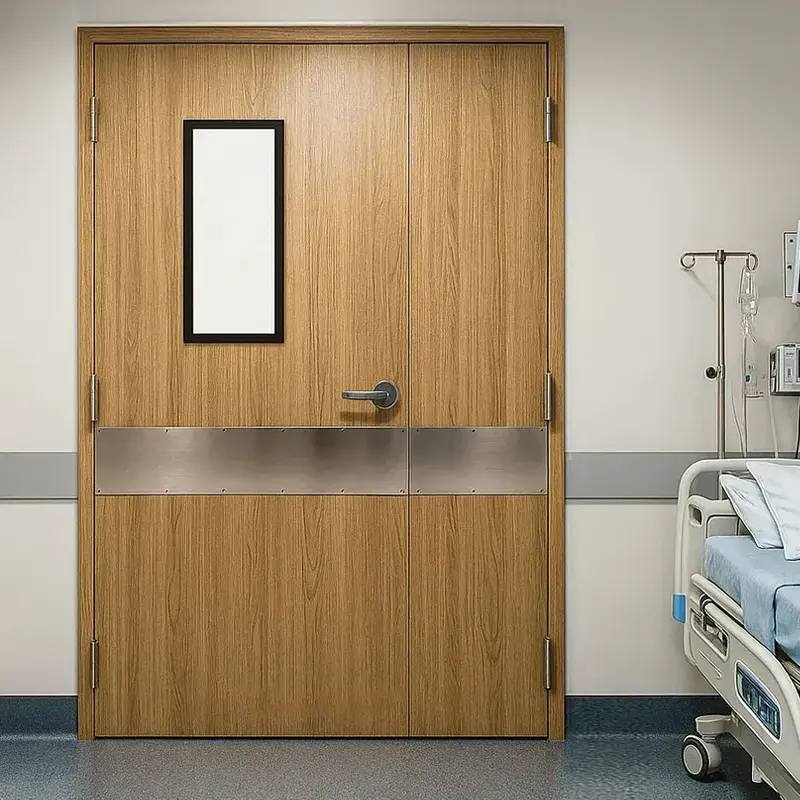
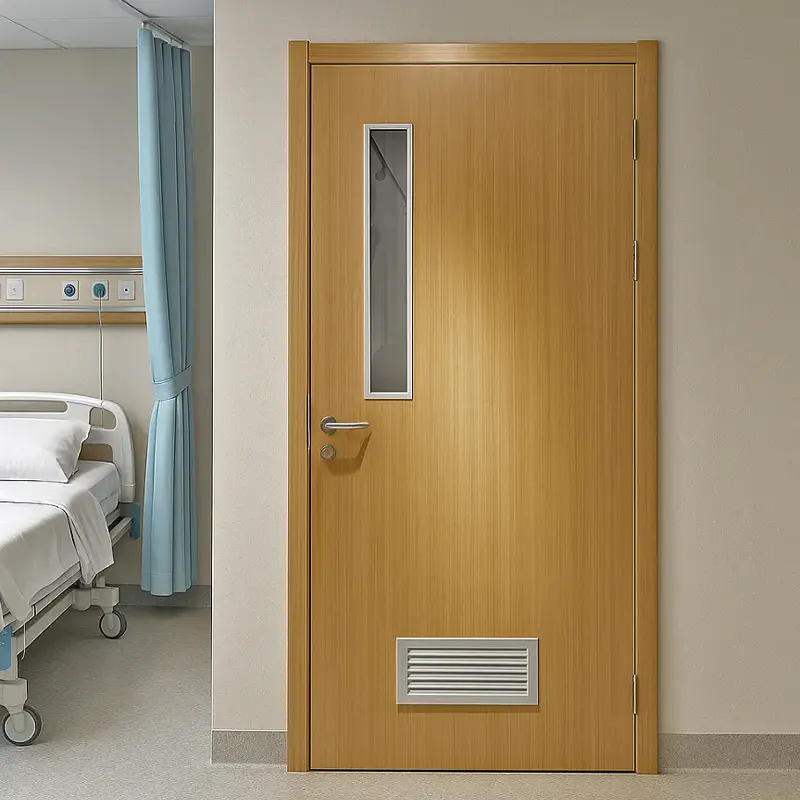
Automatic medical doors respond to sensors that detect approaching individuals, allowing passage with minimal effort. In high-traffic zones, the doors manage flow between corridors and rooms while reducing the need for physical pushing or pulling. Staff members carrying equipment or pushing beds benefit from the hands-free action during urgent transfers.
Patients using wheelchairs or walkers pass through these doorways more easily. The controlled opening speed helps prevent sudden movements that could cause discomfort. Many facilities position them at entrances to wards, where frequent entries and exits occur throughout shifts.
Sensors mounted above or on the sides of automatic medical doors pick up motion or presence. Infrared or microwave technology triggers the mechanism when someone enters the detection zone. Some setups include floor mats or wall-mounted switches for additional control in sensitive areas.
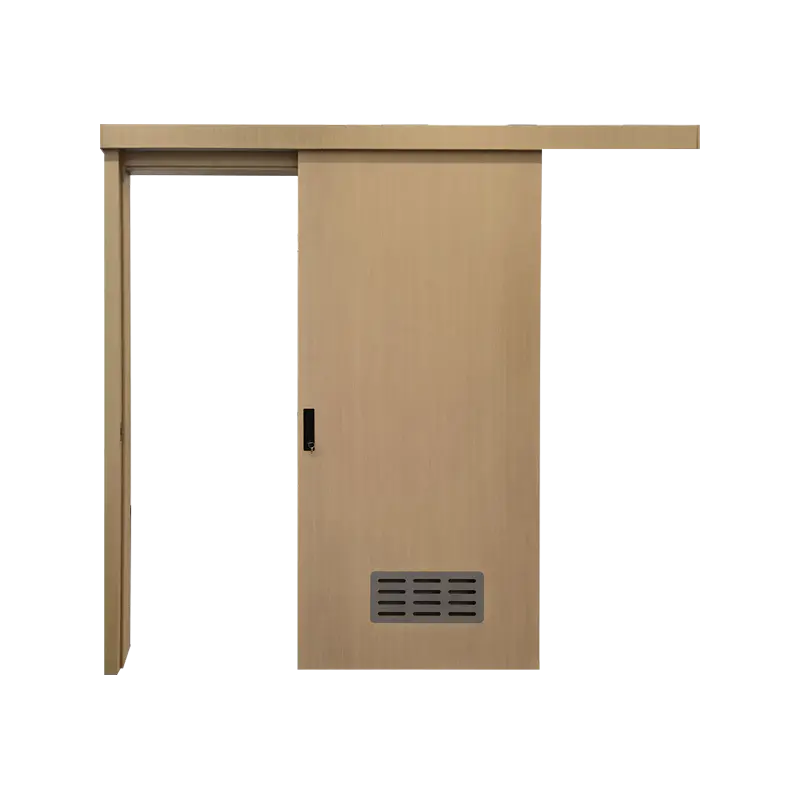
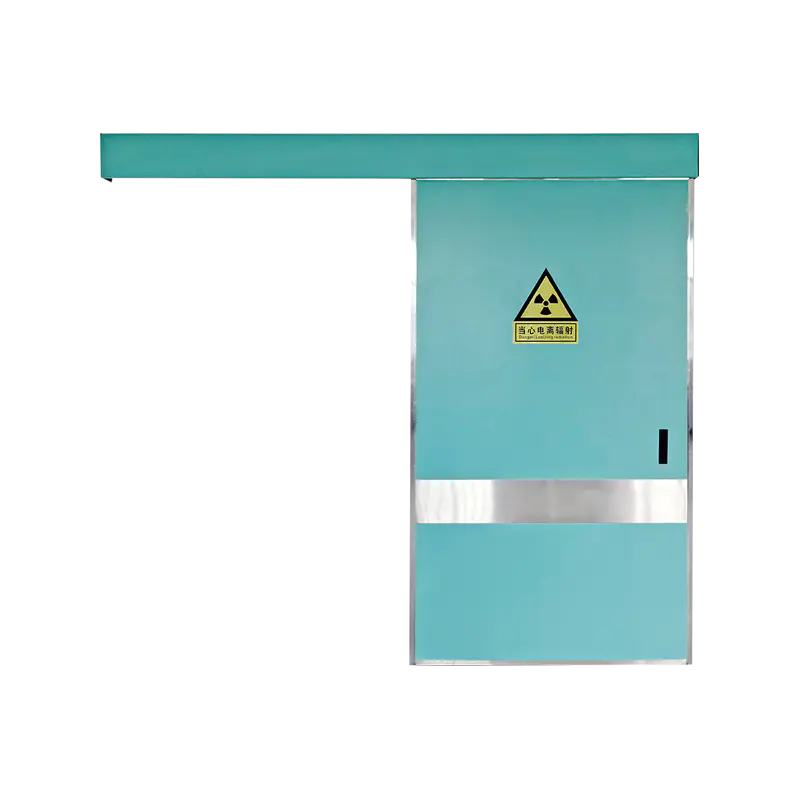
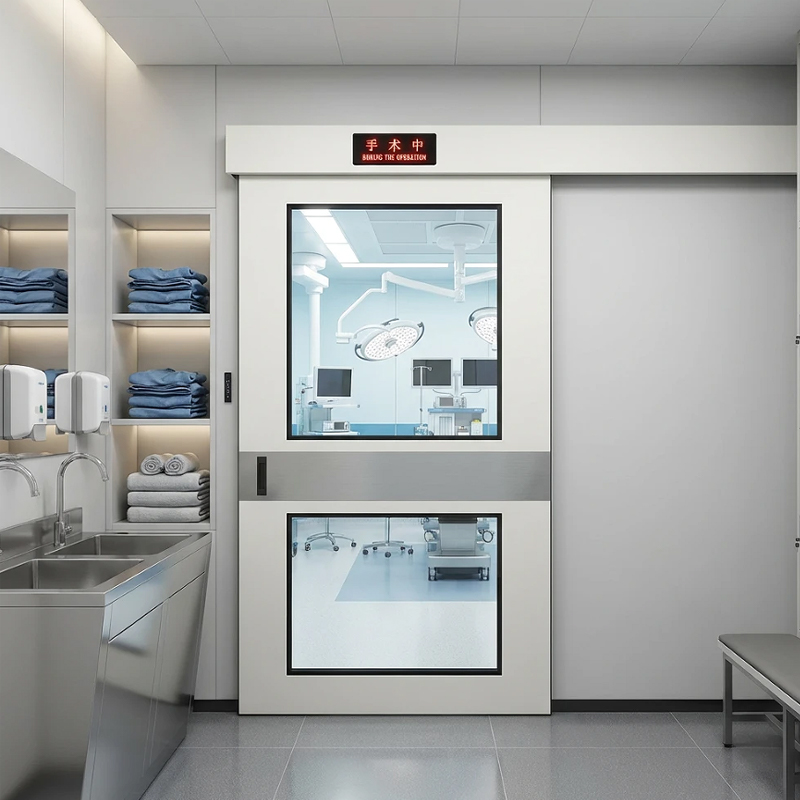
The doors typically slide sideways or swing open depending on the available space and room layout. Sliding versions conserve floor area in narrow hallways, while swing models suit wider openings. Timing mechanisms ensure the doors remain open long enough for safe passage before closing gently.
Emergency departments often feature automatic medical doors at ambulance entry points and triage areas. The quick response supports fast movement of stretchers and medical teams during arrivals. Imaging suites use them between waiting zones and scan rooms to maintain separation while allowing smooth patient transport.
Operating theater entrances incorporate these doors to support sterile transitions. Recovery areas and intensive care units position them along main corridors for controlled access. Outpatient clinics apply similar doors at reception points and consultation room thresholds, helping coordinate appointments and staff rounds.
During peak hours, automatic medical doors help maintain rhythm in hospital corridors. Nurses and doctors move between patient rooms without pausing to handle handles, which supports timely medication rounds and checks. Cleaning staff navigate with carts more readily, keeping surfaces clear for regular duties.
The doors reduce contact points in areas where multiple people pass through each hour. This arrangement aligns with the pace of modern healthcare delivery, where coordination between departments matters for patient progression. In maternity wings, they assist families and staff during labor and delivery movements.
Automatic medical doors often use durable frames paired with glass or solid panels that match surrounding walls. The surfaces withstand frequent cleaning common in medical spaces. Track systems for sliding doors run smoothly to support repeated daily cycles without noticeable noise.
Control units hidden in the frame coordinate with building systems for consistent performance. Backup power options help maintain function during electrical fluctuations, though specifics vary by installation. The overall build emphasizes reliability in environments with continuous activity.
Isolation rooms and infectious disease units utilize automatic medical doors with interlocking features that manage air flow direction. Laboratory sections in hospitals employ them between workbenches and sample collection points. Rehabilitation centers feature wider versions to accommodate therapy equipment and group sessions.
Pediatric departments select designs with visual elements that feel approachable for younger patients. The doors integrate with call systems in some cases, allowing staff to activate them remotely when assisting limited-mobility individuals. This flexibility addresses the range of needs found across different care units.
Your email address will not be published. Required field are marked*
Product Recommendations
Explore Our Medical Door Solutions
Contact Information
No. 87, Xingwang Road, Zaotang Industrial Zone, Xicheng Street, Yongkang, Zhejiang, China
+86-13758983507
+86-579-87321128
Mobile


 English
 Español