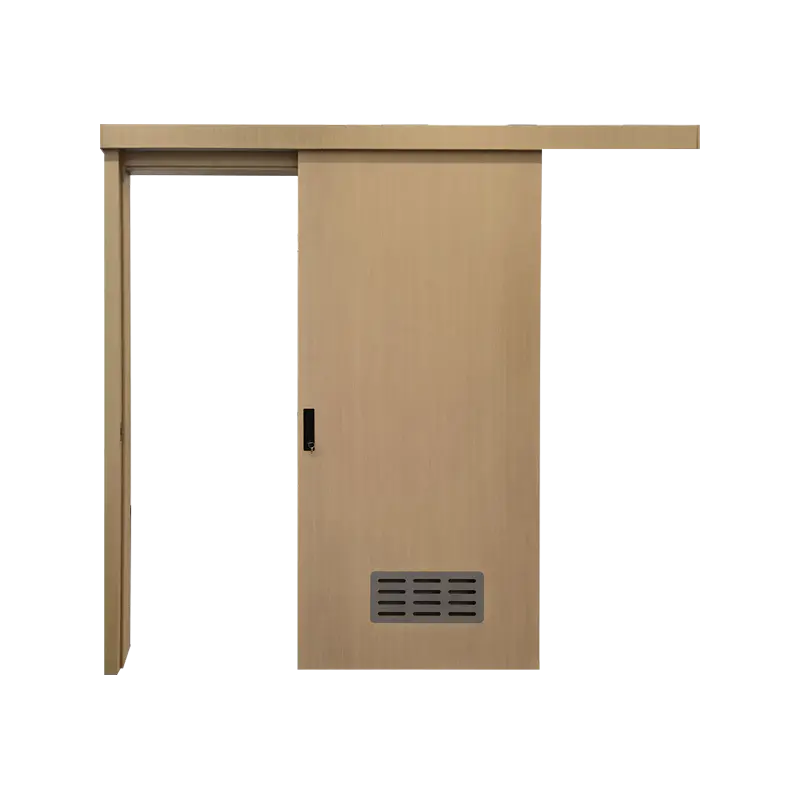
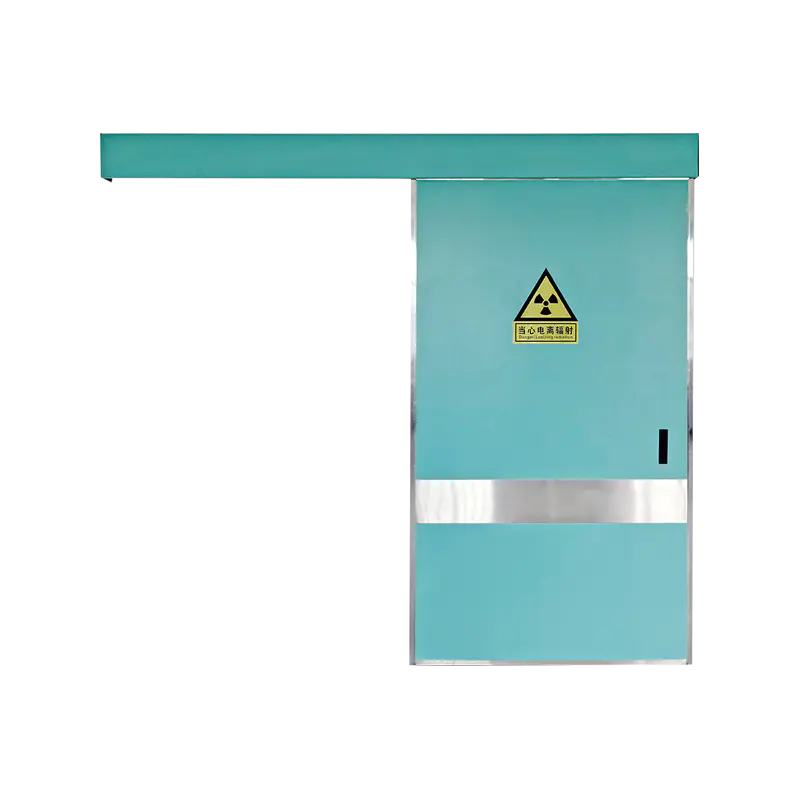
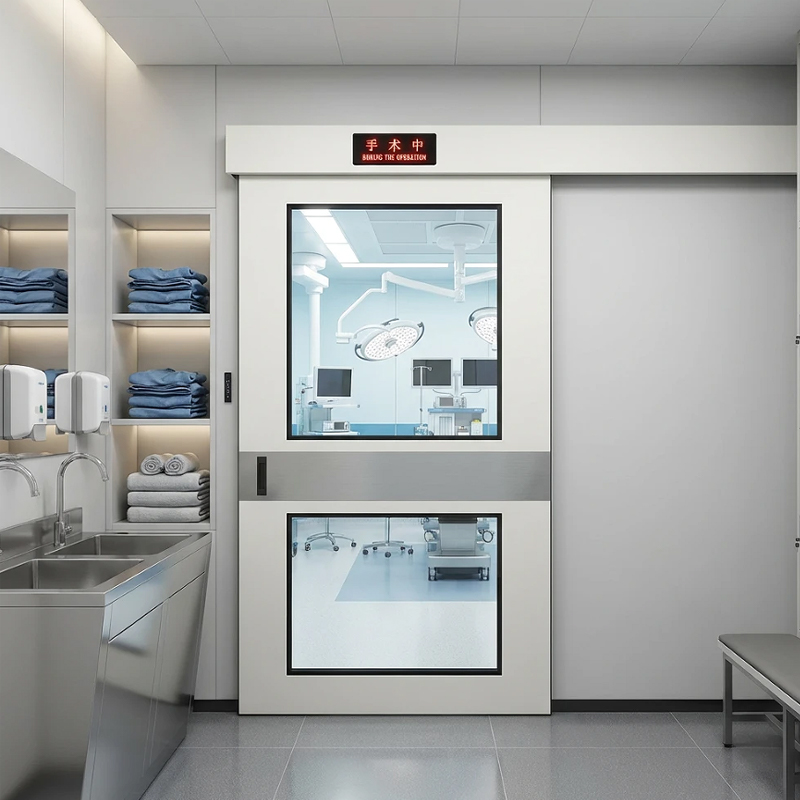
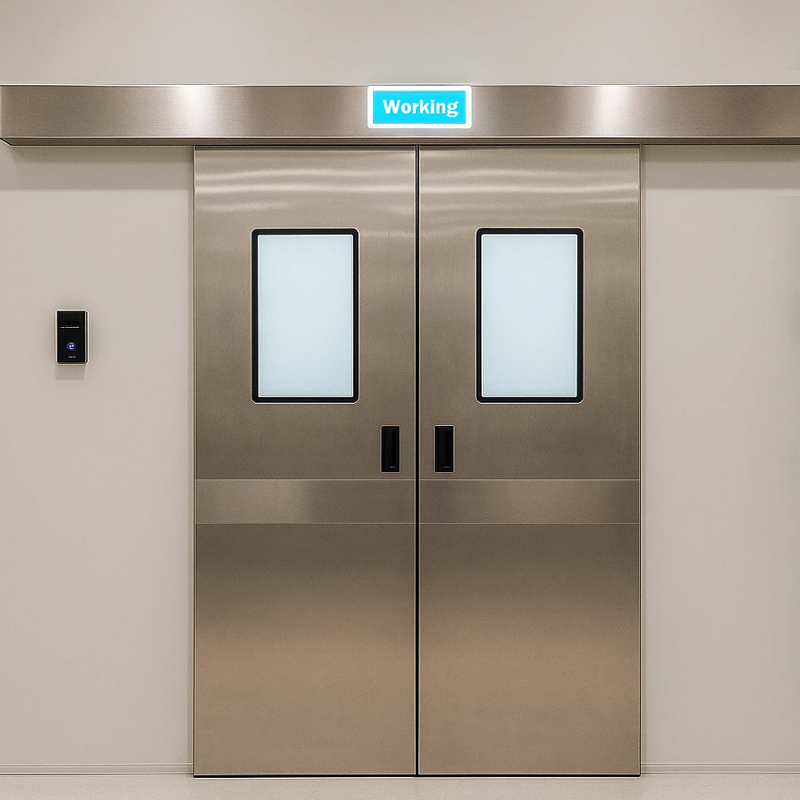
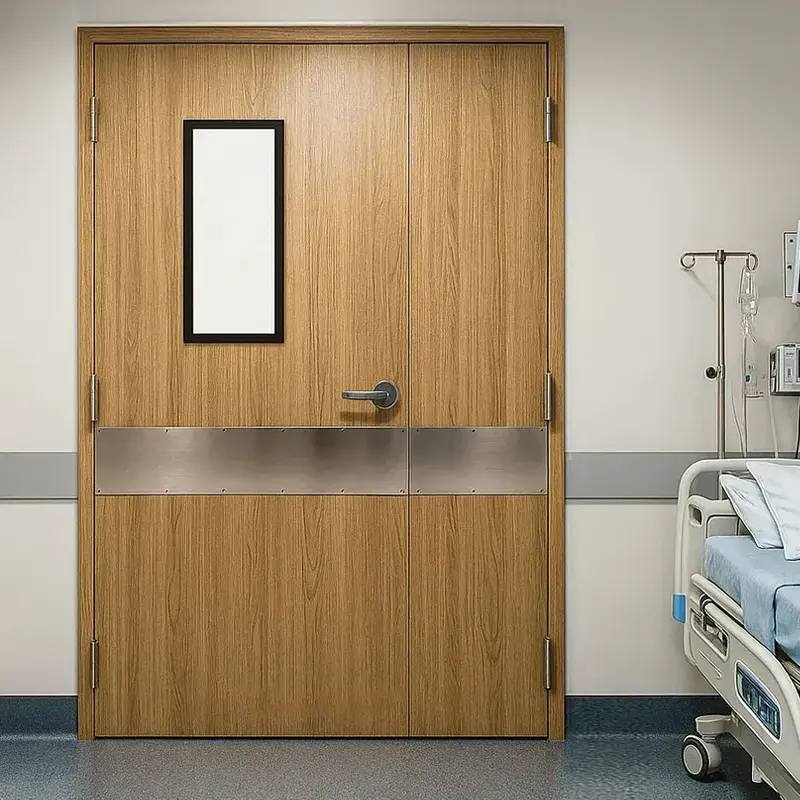
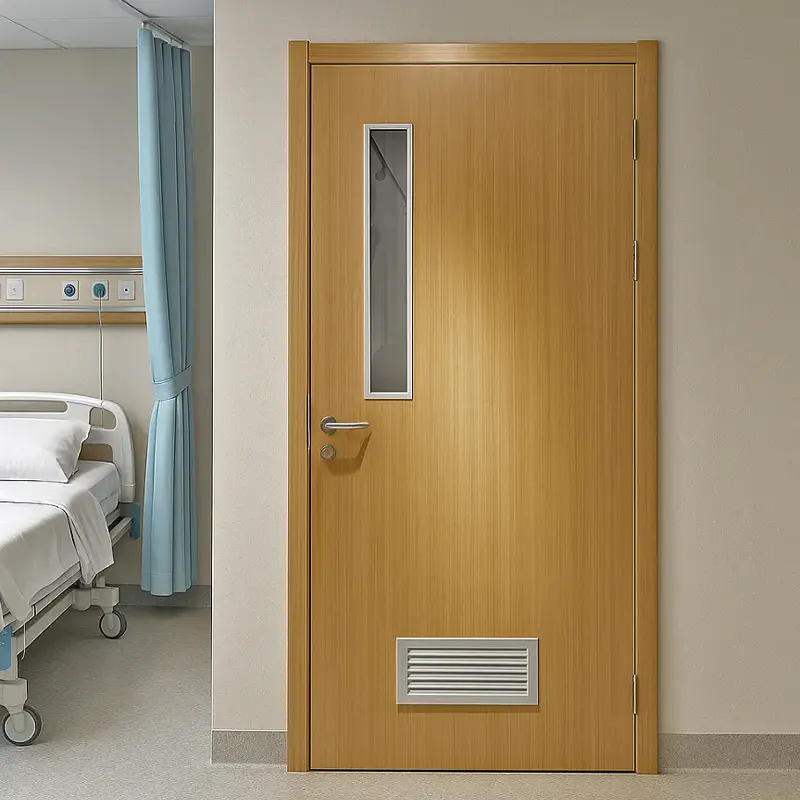
Electric Sliding Doors have become an important part of modern entrance systems used in commercial buildings, healthcare facilities, offices, hotels, transportation areas, and public spaces. Different from traditional manual doors, electric sliding doors use automatic drive systems to control opening and closing movements, creating a smoother access experience for people moving through busy entrances.
The basic structure of an electric sliding door system usually includes a motor, controller, sensors, door panels, tracks, and safety components. When sensors detect movement near the entrance area, the control system activates the motor to move the door panels along the track. After the passage area is clear, the door returns to its closed position according to preset settings.
The application of Electric Sliding Doors is closely connected with building design requirements. Architects and facility planners often consider entrance flow, available space, user convenience, and overall appearance when selecting automatic door solutions.
The working principle of Electric Sliding Doors relies on the cooperation between electronic control systems and mechanical components. Sensors placed near the entrance detect approaching objects or movement signals. The controller receives these signals and sends instructions to the motor.
The motor then drives the belt or transmission system, allowing the sliding panels to move horizontally along the guide rail. Compared with swing doors that require space for outward or inward movement, sliding doors operate along a fixed path, making them suitable for entrances where space utilization is important.
Modern electric sliding door systems may include different sensor options, such as infrared sensors, microwave sensors, or combined detection systems. These technologies help the door identify movement patterns and respond according to the operating environment.
An Electric Sliding Door consists of multiple components working together. The automatic operator is the core unit responsible for controlling movement. It contains the motor, control board, and transmission mechanism.
The door track provides the pathway for smooth movement. Its design affects the stability and movement process of the door panels. Door panels can be manufactured from materials such as glass, aluminum frames, or other structural materials depending on building requirements.
Sensors are another essential part of the system. They help detect people entering or leaving the area and send information to the controller. Safety sensors may also be used to monitor the doorway area and support reliable operation.
The control system allows adjustments to operating functions, including opening speed, closing speed, and waiting time. These settings can be configured according to different application scenarios.
Producing Electric Sliding Doors involves mechanical design, electronic integration, and precise component matching. Manufacturers need to coordinate different parts, including motors, sensors, frames, and control units.
During the design stage, engineers analyze factors such as door weight, opening frequency, installation space, and operating conditions. These factors influence the selection of drive systems and structural components.
Manufacturing processes usually include aluminum profile processing, electronic component assembly, mechanical testing, and system adjustment. Each component needs to work together to create a complete automatic door solution.
Customization is also an important part of electric sliding door production. Different projects may require changes in door dimensions, panel materials, sensor types, or control functions. Manufacturers often provide solutions based on specific building layouts and usage requirements.
Electric Sliding Doors provide an automated entrance solution that combines mechanical movement, sensor technology, and electronic control. Their applications cover commercial buildings, public facilities, workplaces, and specialized environments.
Understanding the structure, working principles, and manufacturing process of Electric Sliding Doors helps businesses and project planners select suitable systems for different applications. As building designs become more focused on efficient space use and user experience, automatic sliding door technology remains an important part of modern entrance design.
Your email address will not be published. Required field are marked*
Product Recommendations
Explore Our Medical Door Solutions
Contact Information
No. 87, Xingwang Road, Zaotang Industrial Zone, Xicheng Street, Yongkang, Zhejiang, China
+86-13758983507
+86-579-87321128
Mobile


 English
 Español