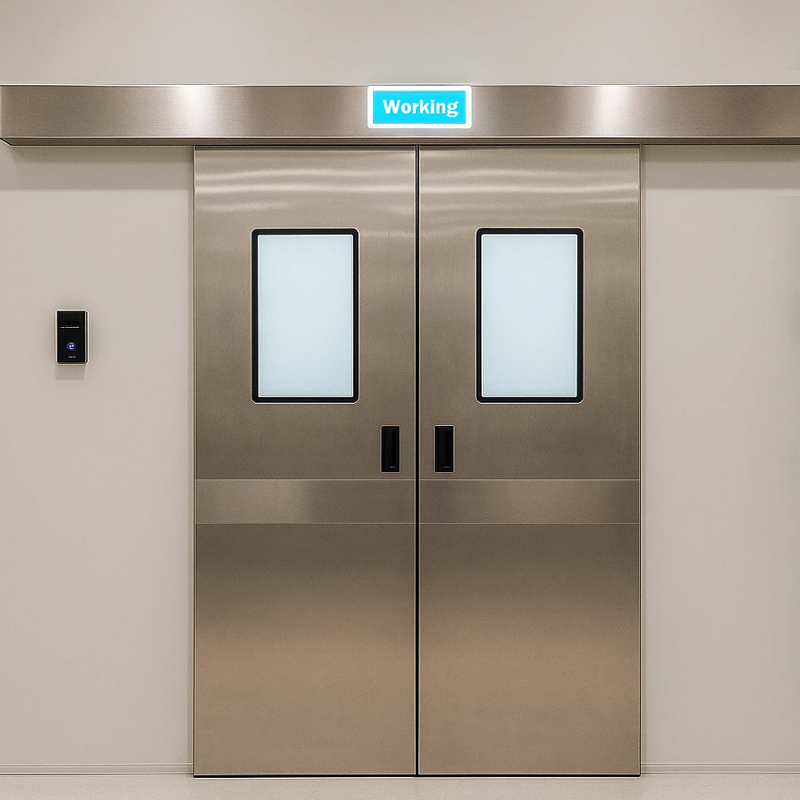
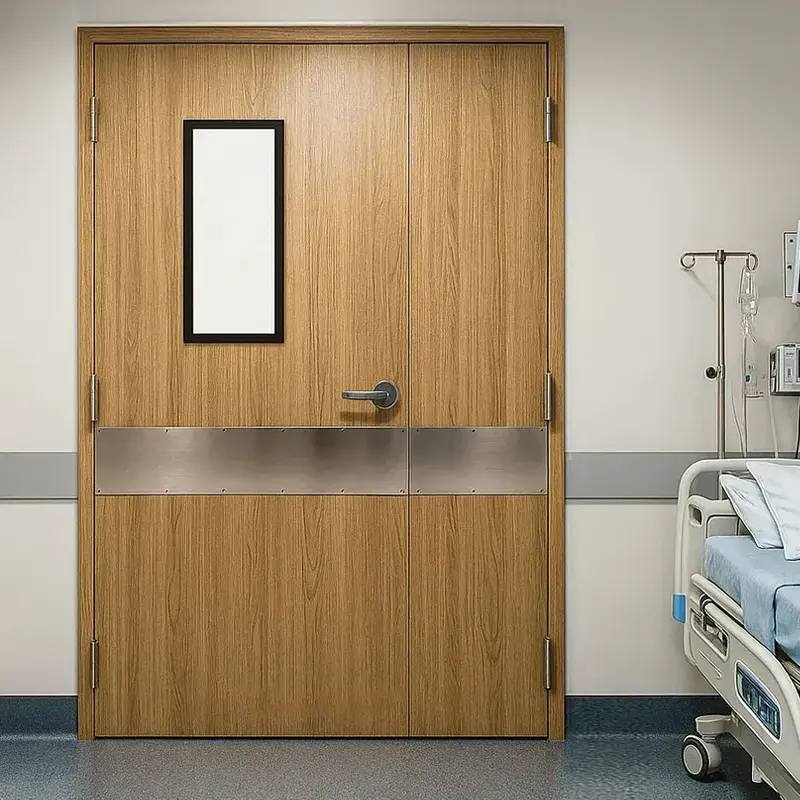
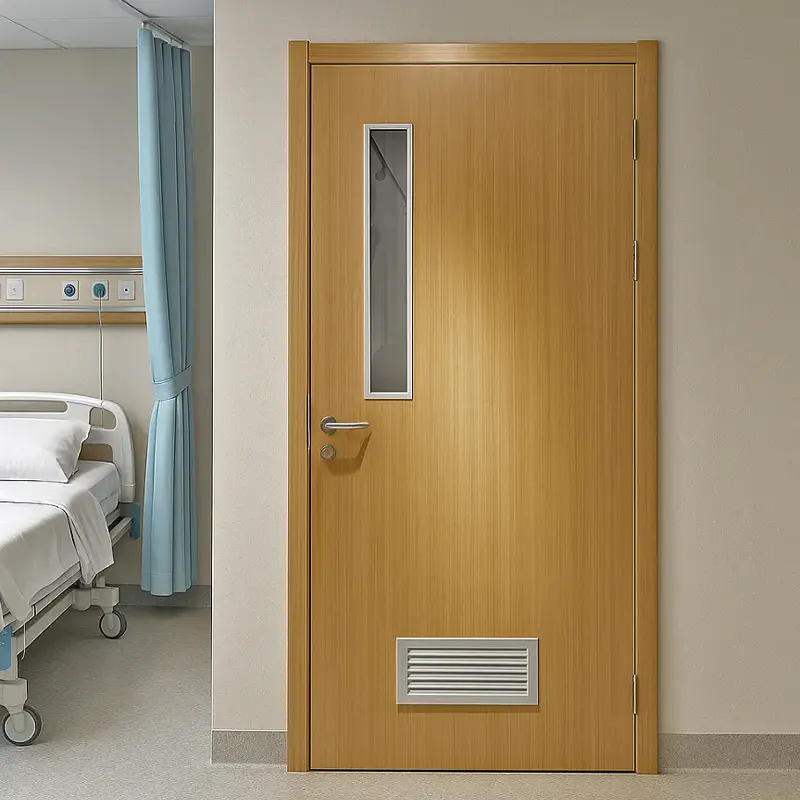
Guest rooms and suites typically serve multiple functions, including rest, reception, and more. The door not only separates spaces but also plays a crucial role in sound insulation, privacy protection, and security. Therefore, its structural design must comprehensively consider durability, stability, and harmony with the overall decorative style to meet the requirements of long-term, high-frequency use.
Door Structure Composition
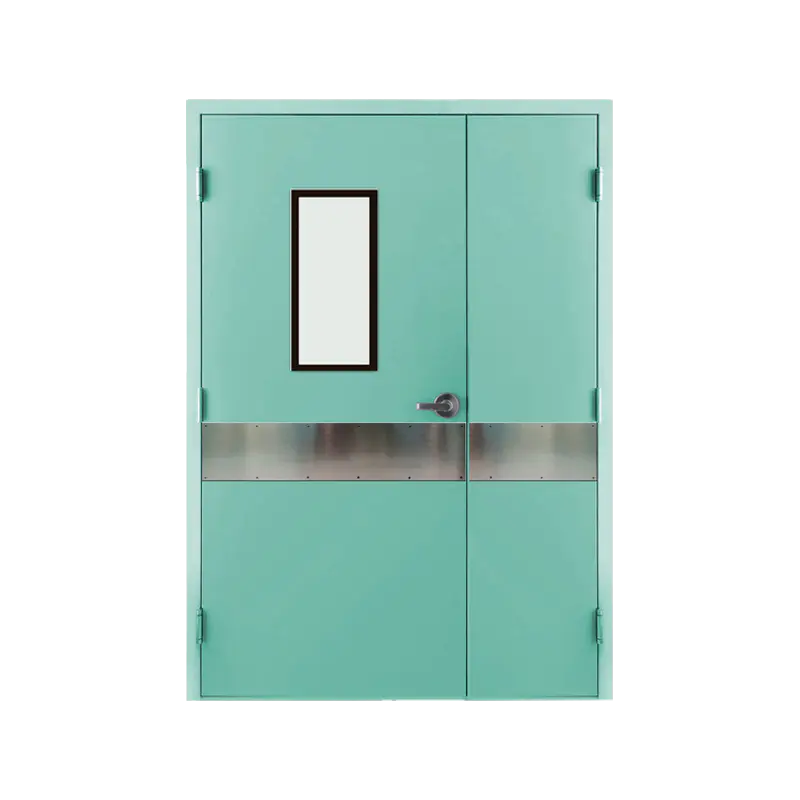
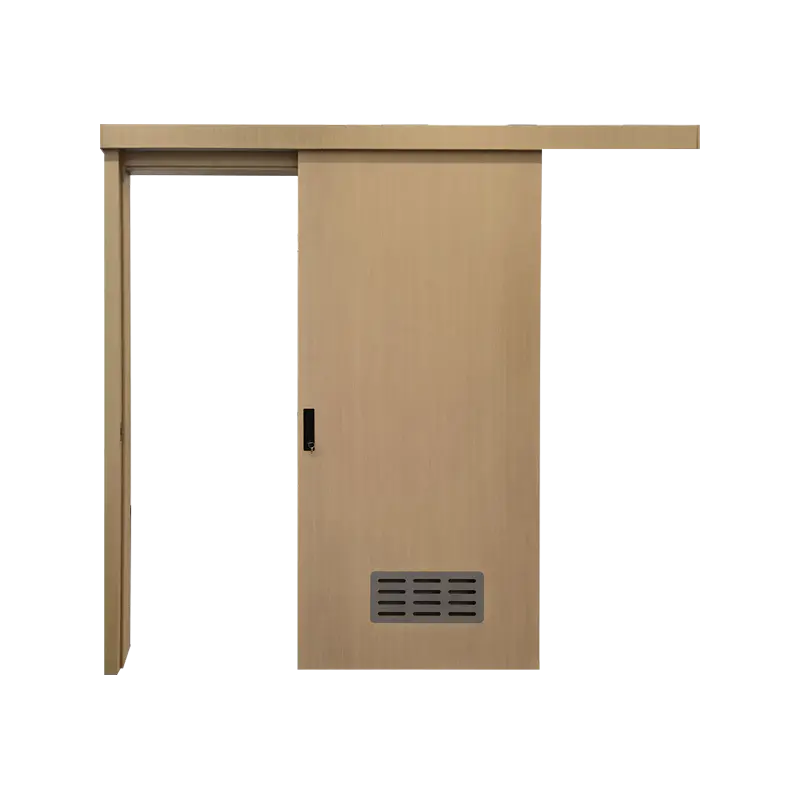
Hotel guest room suite doors generally consist of a door leaf, door frame, internal filling layer, and hardware system. These components work together to ensure the stable operation of the door.
The door leaf typically employs a multi-layered structure, with an outer layer of flat board and a middle layer of filling material. This multi-layered structure helps enhance overall strength and improves the door's resistance to deformation.
The door frame connects to the wall, providing support. A well-designed door frame ensures smooth opening and closing of the door while improving overall stability. The door frame material must have good load-bearing capacity to withstand long-term use.
The interior of the suite door usually features a filling structure to enhance sound insulation and structural stability. The filling material can be selected in different densities to meet the quiet requirements of the hotel environment.
Hardware system includes hinges, locks, handles, and other components. The quality and installation precision of these components directly affect the user experience of the door. A properly configured hardware system helps improve operational stability.
Material Selection and Processing Methods
In a hotel environment, door materials need to balance durability and aesthetics. Common materials include steel structures, composite panels, and wood-based finishes. Different materials have different characteristics in terms of weight, strength, and visual appeal, and can be selected based on the suite's positioning.
The door surface is usually treated with a protective coating to enhance wear resistance and moisture resistance. A smooth surface facilitates daily cleaning and helps maintain a clean guest room environment. During processing, attention is paid to dimensional accuracy and edge treatment to ensure a good seal after installation.
Key Structural Advantages
Hotel suite doors demonstrate numerous advantages in practical applications, primarily in the following aspects:
Through multi-layered structure and internal filling design, the door can reduce sound transmission to a certain extent, helping to maintain a relatively quiet environment in the guest room. This is significant for enhancing the guest experience.
Suits typically have independent functional areas, and the door effectively separates them visually and physically, ensuring the privacy of guests' activities.
The door, manufactured with robust materials and reasonable processes, can maintain its shape stability in frequent opening and closing environments, reducing deformation caused by long-term use.
The door lock system can be configured according to the hotel's management needs, helping to achieve basic access control and improve guest room security.
The door surface is easy to clean, and daily maintenance is relatively simple, helping to maintain overall hygiene.
Functional Design and Application Scenarios
The design of suite doors may vary in different types of hotels. Based on spatial requirements, the following functional elements can be incorporated:
These design elements can be combined according to specific building plans to meet diverse needs.
Installation Requirements and Construction Coordination
The quality of door installation has a significant impact on the final performance. Before installation, dimensional measurements must be taken to ensure the door opening specifications meet design standards. The door frame should be kept vertical and horizontal to avoid door friction or improper closure due to deviations.
During construction, the following points should be noted:
Standardized installation procedures can improve the overall performance of the door.
Daily Maintenance and Management
To extend the lifespan of hotel room and suite doors, a regular maintenance mechanism should be established. Maintenance includes:
Proper maintenance not only helps maintain the door's appearance but also preserves structural stability. For hotel management, a scientific maintenance plan reduces operational risks and ensures normal guest room usage.
Coordination with Overall Interior Design
Modern hotel space design emphasizes a unified overall style. The color, texture, and shape of the room and suite doors should coordinate with the interior decoration. Through simple lines and appropriate surface treatments, the door can blend seamlessly into the environment without appearing jarring.
In space planning, the opening direction and position of the door should also take into account the corridor width and interior layout to ensure smooth passage. A well-designed system not only improves efficiency but also optimizes space utilization.
As a crucial component of the building structure, hotel reception room suite doors play a fundamental role in space division, security, sound insulation, and privacy protection. Their multi-layered structural design, sturdy material selection, and appropriate hardware configuration enable the doors to meet the high-frequency usage demands of the hotel environment.
Your email address will not be published. Required field are marked*

Product Recommendations
Explore Our Medical Door Solutions
Contact Information
No. 87, Xingwang Road, Zaotang Industrial Zone, Xicheng Street, Yongkang, Zhejiang, China
+86-13758983507
+86-579-87321128
Mobile


 English
 Español