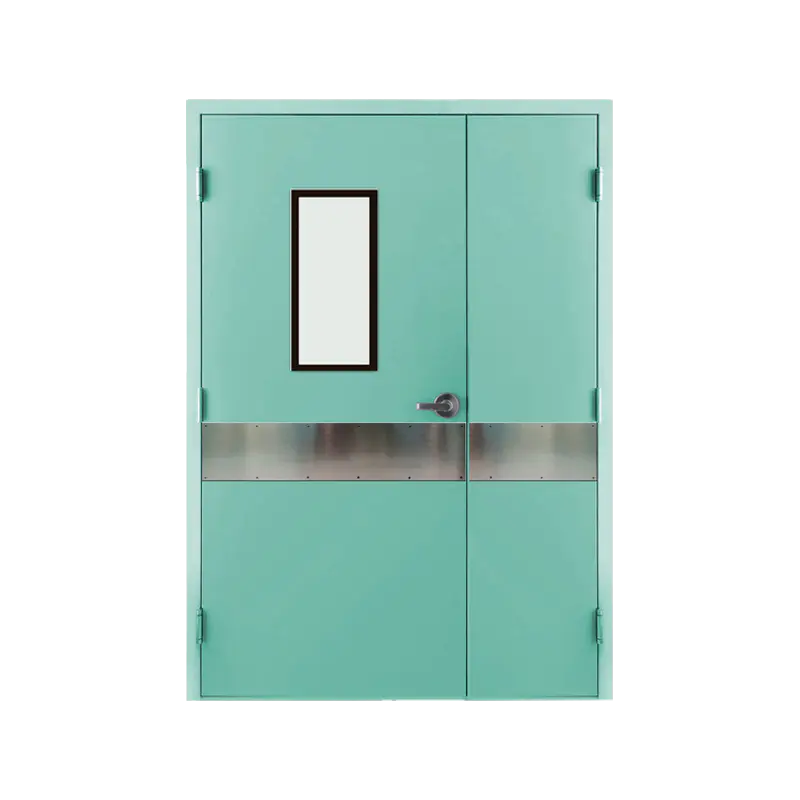
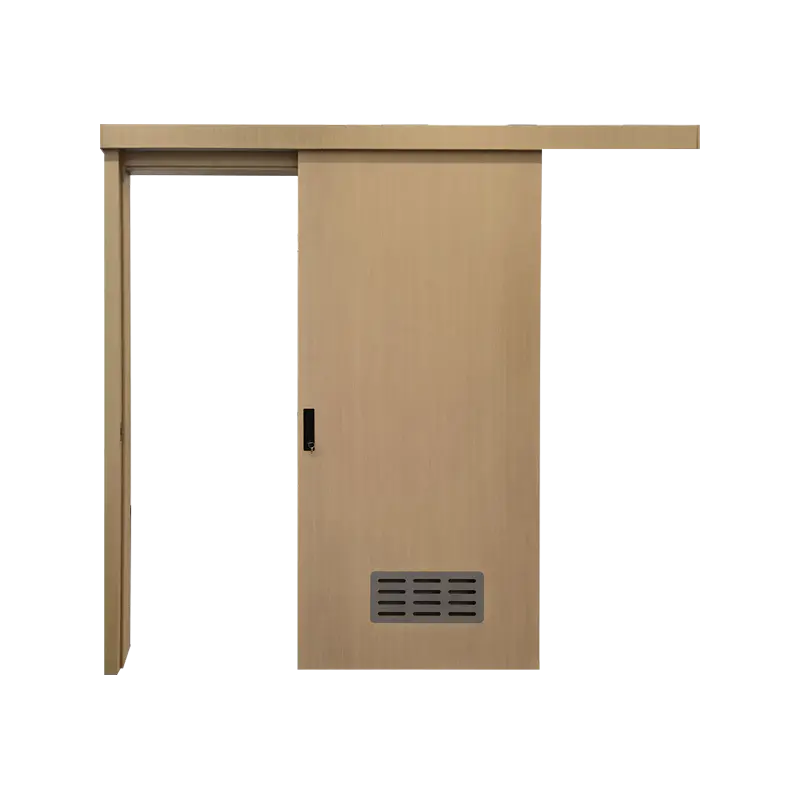
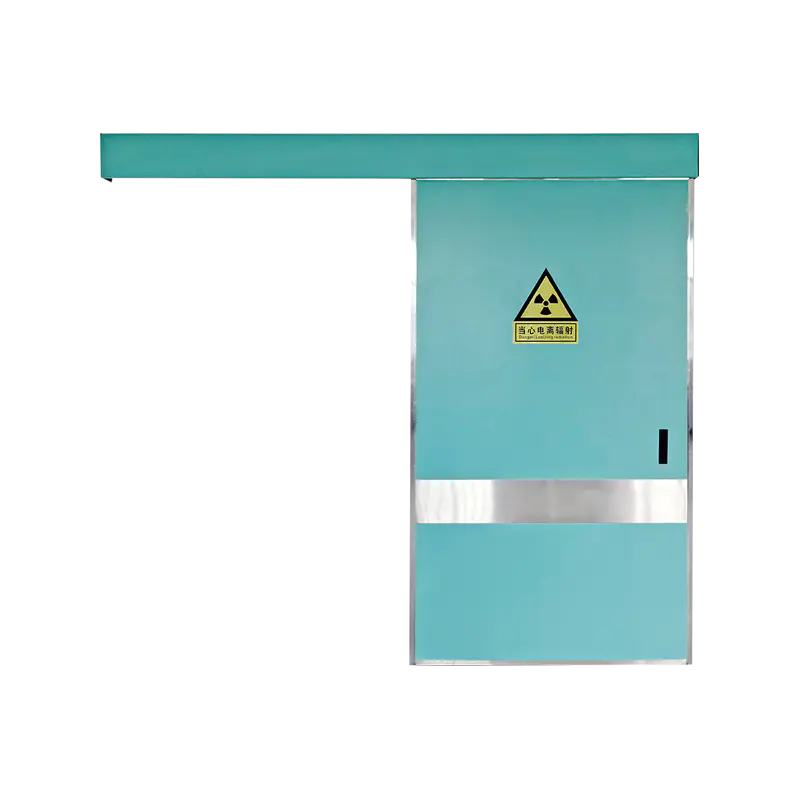
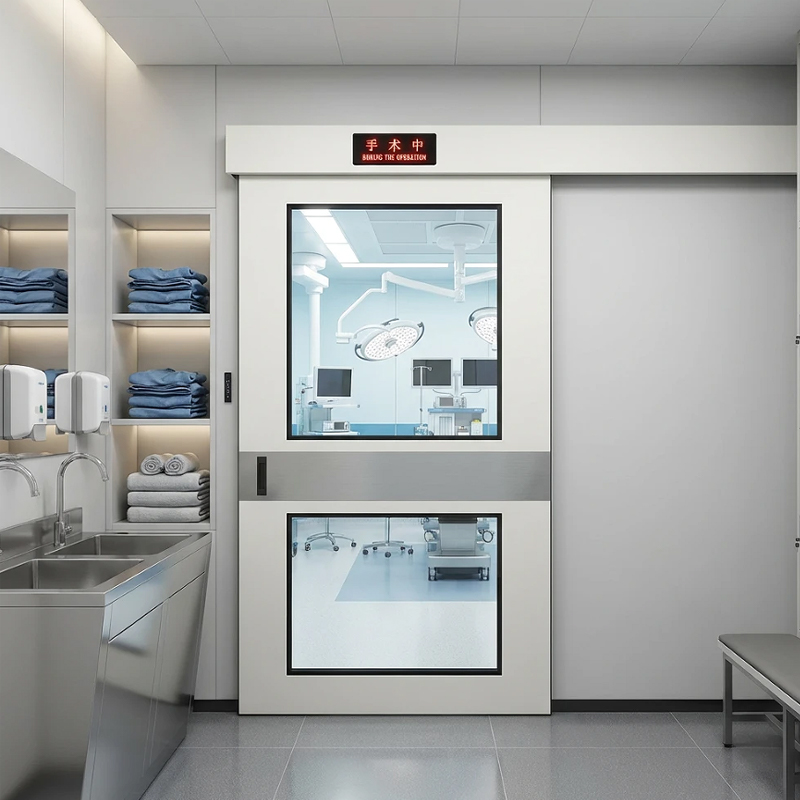
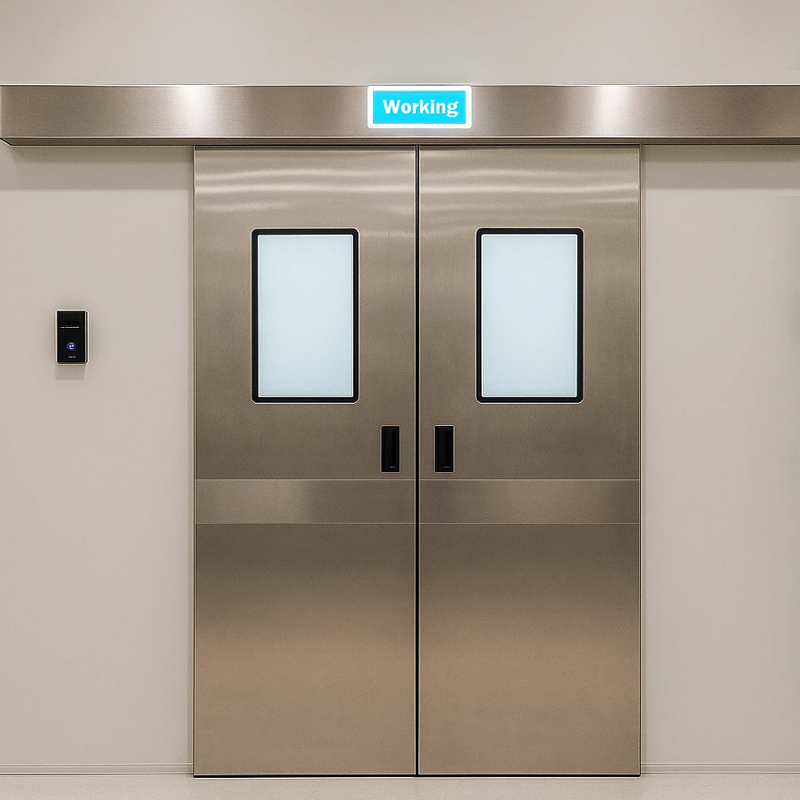
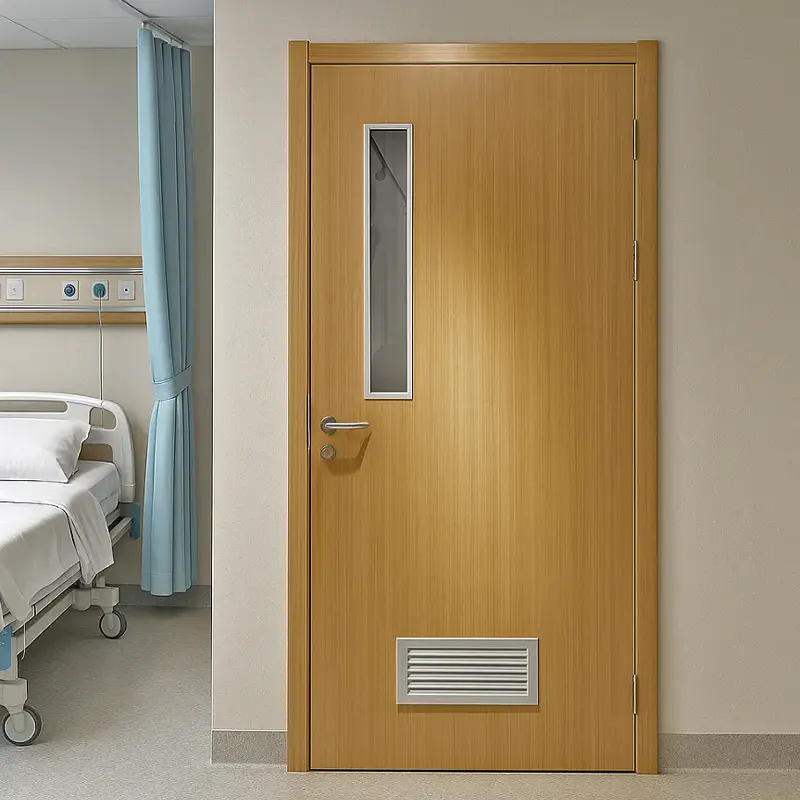
Hospital doors play a significant role in creating safe, efficient, and comfortable environments for both patients and healthcare professionals. More than just entry points, these doors are designed with specific functions in mind, such as maintaining privacy, controlling infection, and ensuring the smooth flow of traffic. In hospitals, the doors are crucial for regulating access between sterile and non-sterile areas, reducing the potential for cross-contamination, and even improving security.
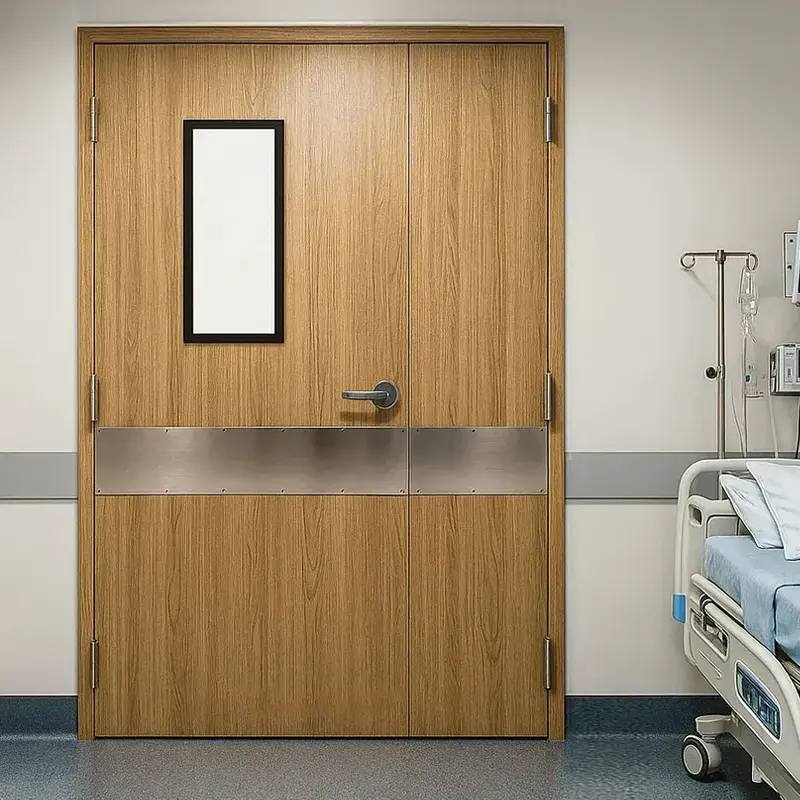
Hospitals require a wide range of door types, from automatic sliding doors to fire-rated doors, and each is tailored to meet specific needs. Automatic doors are common in high-traffic areas such as emergency rooms or ICU units, providing hands-free access and minimizing the need for physical contact. Meanwhile, fire-rated doors are installed in areas requiring strict fire safety protocols, acting as barriers to contain smoke and flames.
The production of hospital doors involves cutting-edge manufacturing techniques that combine durability, safety, and aesthetics. Advanced materials such as stainless steel, aluminum, and high-performance glass are commonly used to meet the stringent requirements of the healthcare industry. These materials offer enhanced resistance to wear and tear, moisture, and cleaning agents, ensuring long-lasting performance in high-use environments.
One notable advancement in hospital door manufacturing is the use of antimicrobial coatings. These coatings reduce the growth of bacteria and viruses on door surfaces, contributing to overall infection control in hospitals. Modern hospital doors often incorporate advanced locking systems that can be integrated with hospital security protocols, providing controlled access to sensitive areas without compromising patient or staff safety.
Manufacturing processes involve automation and precision engineering to ensure that each door meets quality standards. Computer-controlled cutting, shaping, and assembly techniques ensure that the dimensions and structural integrity of each door are consistent, which is critical for both functional and safety purposes. These technologies improve efficiency and reduce errors in production, resulting in higher-quality doors at competitive prices.
While functionality is paramount, aesthetic considerations are becoming increasingly important in hospital door design. Hospitals are no longer seen as sterile, utilitarian spaces; instead, they aim to create welcoming, comfortable environments for patients and visitors. Aesthetic choices, such as color schemes, textures, and finishes, can help achieve a more calming atmosphere.
Hospitals often use glass doors in waiting areas and lounges to create an open, airy feeling, while still maintaining necessary privacy and security. In patient rooms, doors are designed with smooth finishes and subtle color choices to enhance the sense of comfort. These design elements are not just for show—they also play a role in reducing patient anxiety, which is an important aspect of the healing process.
Hospital doors do more than just provide entry—they are essential components in optimizing hospital workflow and ensuring operational efficiency. In busy environments like emergency departments or intensive care units, hospital doors help facilitate quick access to rooms and essential areas while minimizing disruptions.
For instance, automatic sliding doors and sensor-operated doors allow for quick entry and exit without staff needing to manually open them, which is especially valuable in emergency situations. These doors improve the speed of care delivery, as medical personnel can move freely through the hospital without delays caused by traditional door mechanisms.
Moreover, doors designed with clear signage or color-coded markings also assist in navigating hospital layouts, directing patients and visitors to the appropriate locations. Well-designed hospital doors improve flow and reduce congestion, leading to smoother hospital operations and ultimately enhancing patient care and satisfaction.
Your email address will not be published. Required field are marked*
Product Recommendations
Explore Our Medical Door Solutions
Contact Information
No. 87, Xingwang Road, Zaotang Industrial Zone, Xicheng Street, Yongkang, Zhejiang, China
+86-13758983507
+86-579-87321128
Mobile


 English
 Español