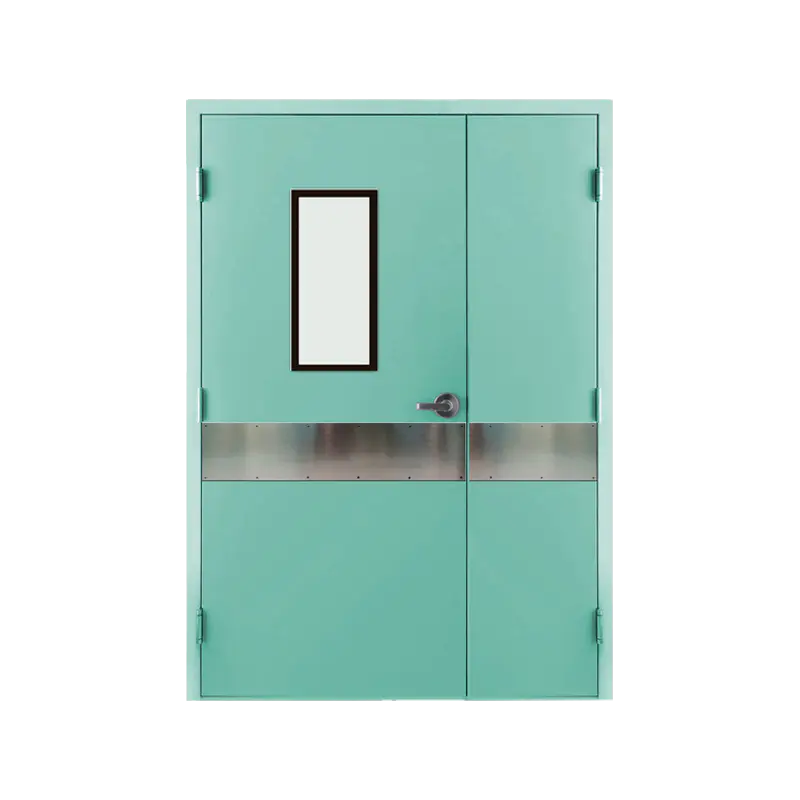
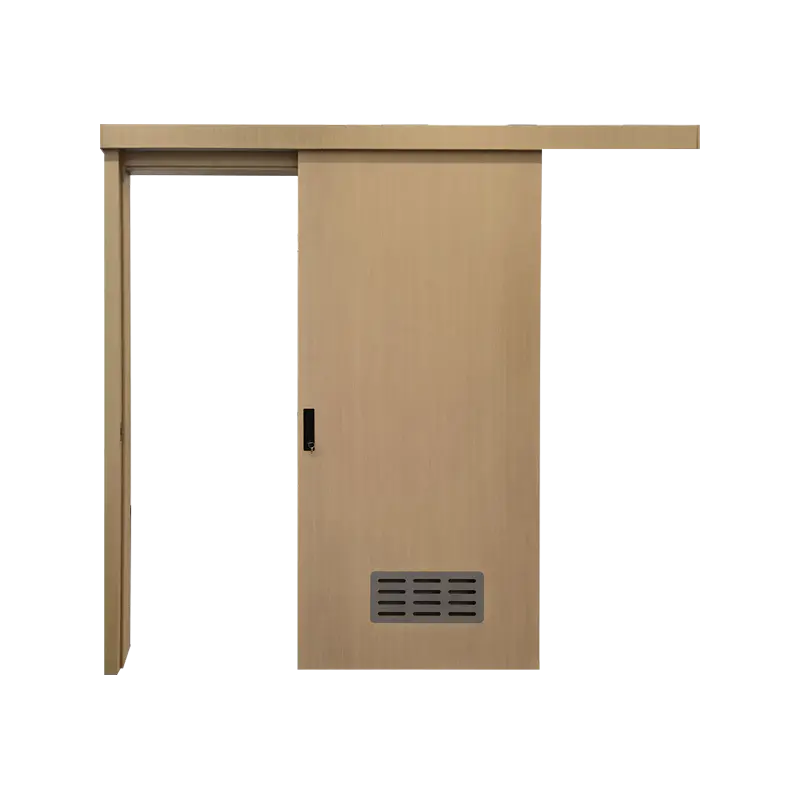
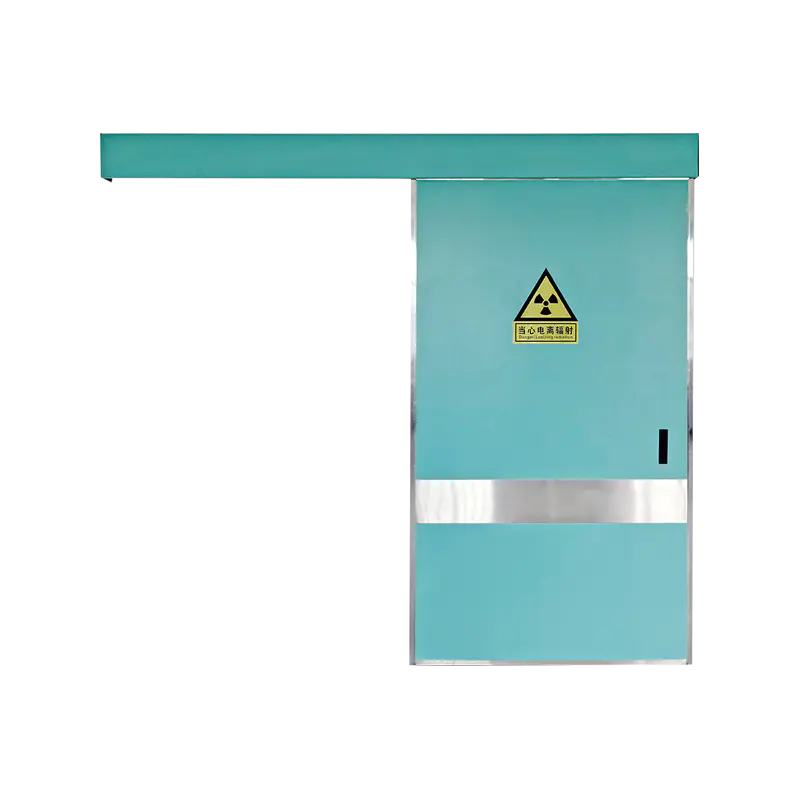
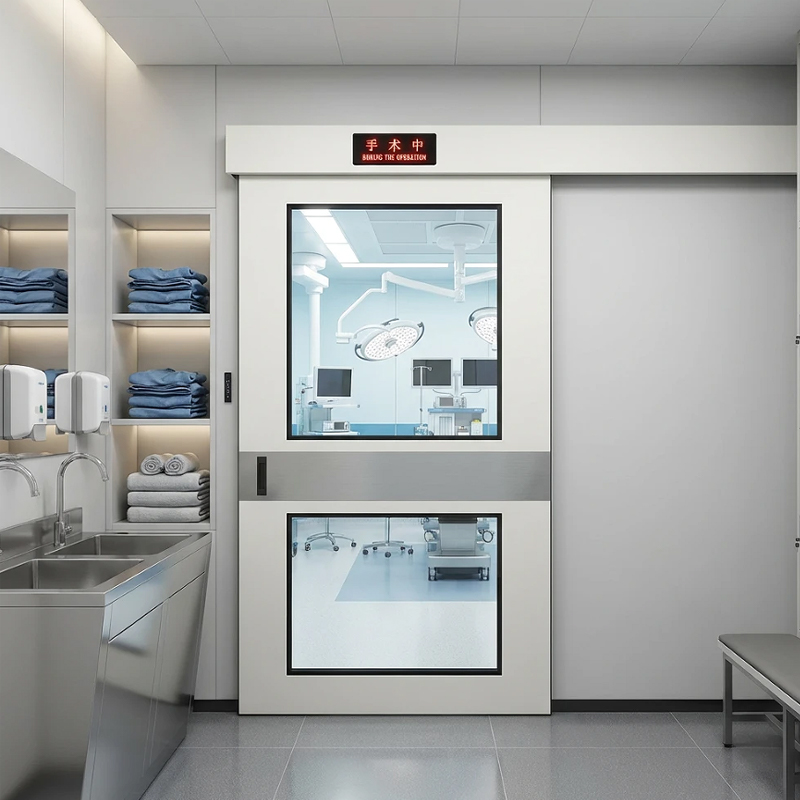
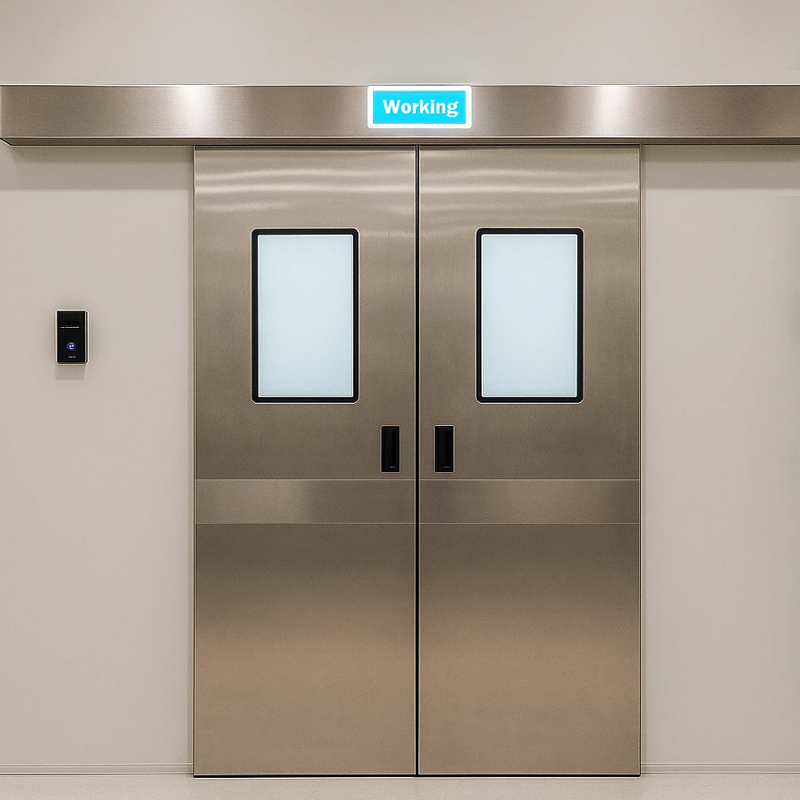
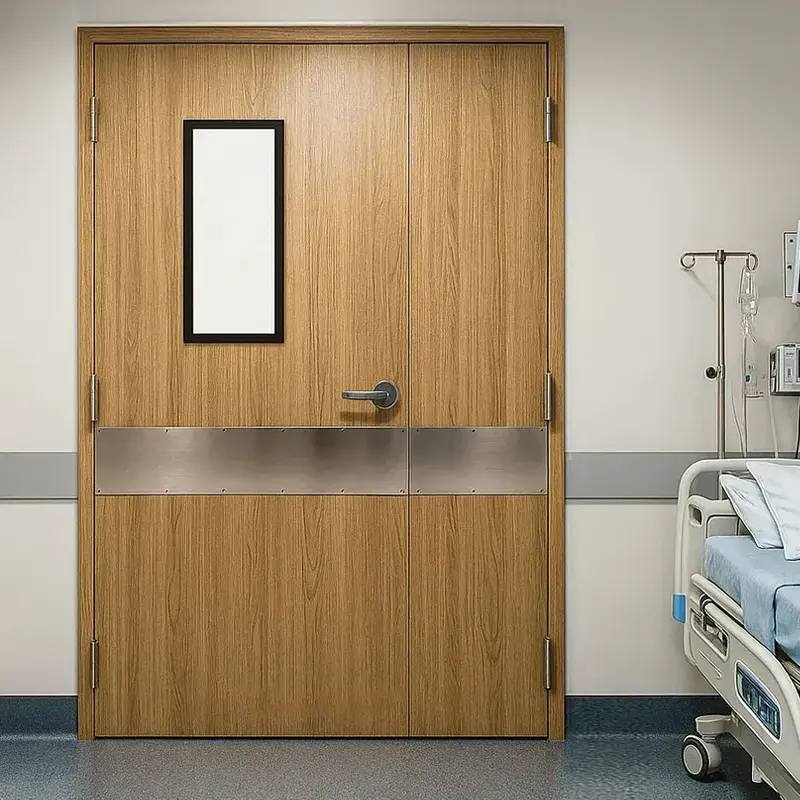
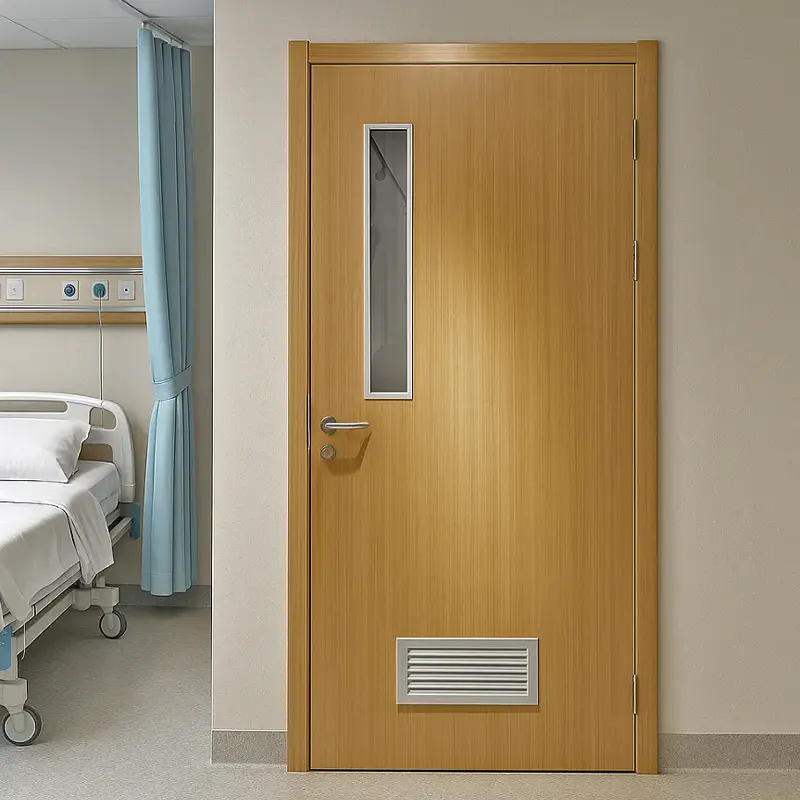
Steel medical doors play a vital role in hospitals, clinics, and other healthcare environments. Their primary purpose is to provide a secure and reliable barrier that separates different areas while maintaining hygiene and safety standards. These doors help control access, reduce noise transfer, and support infection control measures, making them valuable components in medical facilities.
The construction of steel medical doors focuses on durability and stability. The steel panels offer resistance to impact and frequent use, while high-quality sealing systems ensure a tight closure. These features help maintain controlled conditions in sensitive areas such as operating rooms, laboratories, and isolation wards.
Steel medical doors also provide versatility in design. They can include vision panels, access control systems, and push or sliding mechanisms to accommodate various operational requirements. Smooth finishes and customizable hardware allow doors to integrate with the interior aesthetics of the facility while maintaining their functional qualities.
Manufacturers focus on precision during production. Panel alignment, seal installation, and frame fitting are carefully executed to ensure reliable operation. The combination of strength, tight sealing, and design flexibility makes steel medical doors a practical choice for modern healthcare facilities.
The construction of steel medical doors involves several key components. The main door panel is usually made of high-grade steel, providing resistance to bending, dents, and daily wear. Around the edges, gaskets and seals ensure that the door closes tightly, limiting air exchange and noise transmission between rooms.
Frames and hinges are designed to support heavy panels while maintaining proper alignment. Even slight misalignments can affect the door’s sealing performance, so careful calibration is essential. Locking mechanisms, handles, and push bars are installed without compromising the integrity of the seal, ensuring functionality in daily use.
Precision in manufacturing is critical. Cutting, welding, and assembly are executed with advanced tools to maintain consistent dimensions and tolerances. Quality control procedures include inspection of panel straightness, seal compression, and hinge alignment, ensuring each steel medical door functions reliably.
A steel medical doors factory combines automated equipment with skilled labor. CNC machines cut steel panels and frame components with precision, while assembly stations install seals, hinges, and additional hardware. This workflow ensures that each door meets functional and aesthetic standards.
Quality testing is an integral part of production. Doors are evaluated for tightness, ease of operation, and durability. Pressure and impact tests confirm the structural integrity, while alignment checks verify proper fit within frames. Any deviation from standards is corrected before the doors leave the factory.
Collaboration between design and production teams ensures smooth execution. Engineers provide specifications and tolerances, while production staff implement assembly techniques that maintain functionality and reliability. Feedback loops allow adjustments to the manufacturing process, ensuring consistent quality for every steel medical door produced.
Steel medical doors are widely used in hospitals, clinics, laboratories, and pharmaceutical facilities. They provide a physical barrier that supports patient safety, infection control, and operational efficiency. Doors in operating theaters, sterilization areas, and isolation wards rely on consistent sealing and durable construction to maintain controlled conditions.
Manufacturers produce steel medical doors in various sizes and configurations. Smaller units may serve individual rooms or laboratories, while larger doors are designed for corridors, treatment areas, or emergency access points. Despite variations in size and application, the fundamental design principles—steel panels, precise seals, and robust frames—remain consistent.
Your email address will not be published. Required field are marked*
Product Recommendations
Explore Our Medical Door Solutions
Contact Information
No. 87, Xingwang Road, Zaotang Industrial Zone, Xicheng Street, Yongkang, Zhejiang, China
+86-13758983507
+86-579-87321128
Mobile


 English
 Español