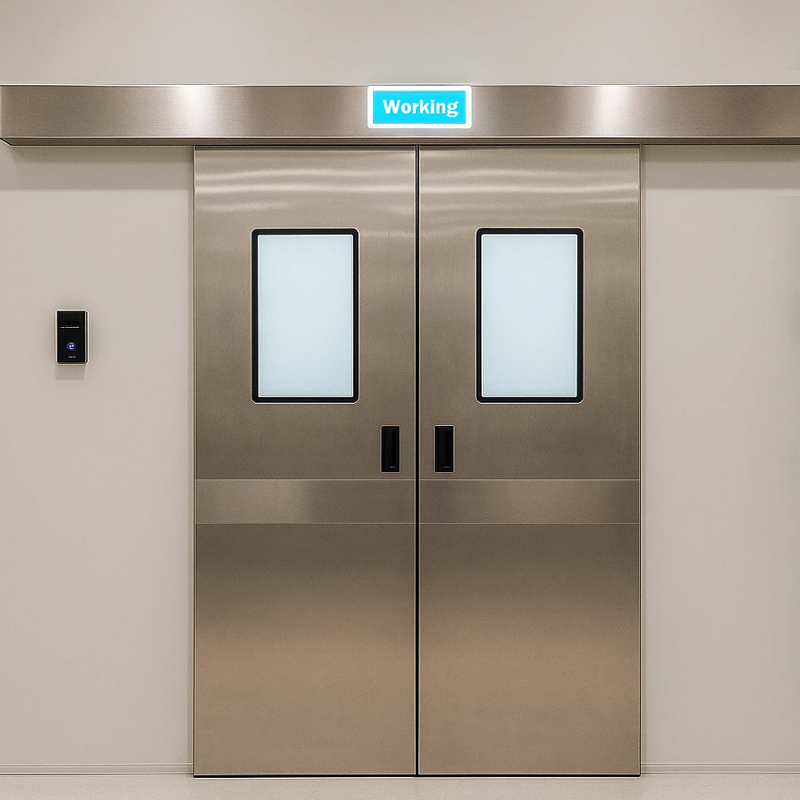
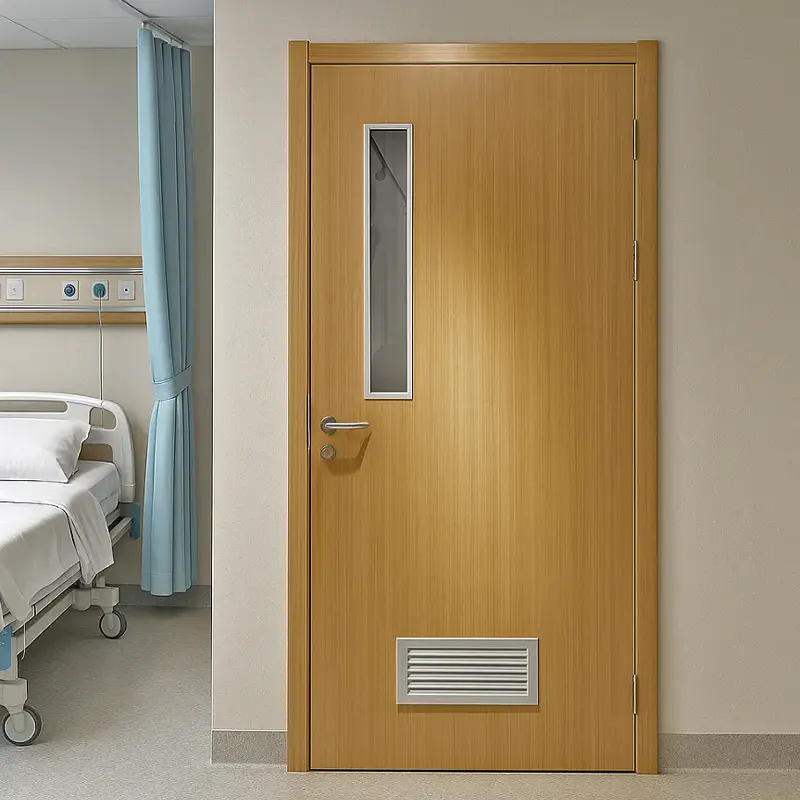
Clinical rooms, as important spaces for diagnosis, treatment, examination, and nursing activities in hospitals and various medical institutions, directly impact user experience and management efficiency through the selection of their internal facilities. Steel doors, as one of the common door types for clinical rooms, are widely used in medical spaces of varying sizes due to their structural stability, ease of maintenance, and long service life.
Material Characteristics and Basic Structure
Steel doors typically use cold-rolled steel sheets as the main material, manufactured through processes such as stamping, bending, and welding to form the door leaf structure. Different materials can be filled inside the door as needed to improve sound insulation or enhance stability. Steel itself has high strength and impact resistance, maintaining stable performance even in environments with frequent opening and closing.
The requirements for doors in clinical rooms extend beyond durability, also including surface smoothness and ease of cleaning. Therefore, steel door surfaces generally undergo anti-corrosion treatment and coating processes to provide a certain degree of moisture and rust resistance. The structural fit between the door frame and the door leaf needs to maintain a reasonable clearance to ensure smooth opening and closing while small noise generation.
Functional Requirements Analysis
The medical environment has unique characteristics, and the design of steel doors for clinical rooms must consider multiple factors. First, safety is paramount. The door should have a stable structure to meet the requirements of frequent daily use and provide a certain level of basic protection. Second, privacy is essential. Clinical rooms often involve diagnostic and treatment processes, so the door should have good shielding performance to prevent external interference.
Furthermore, sound insulation is also a crucial consideration. Steel doors can optimize sound propagation paths through internal filling structures, thereby reducing the impact of external noise on indoor activities. A well-designed seal can improve the overall closure effect of the door and reduce interference from airflow.
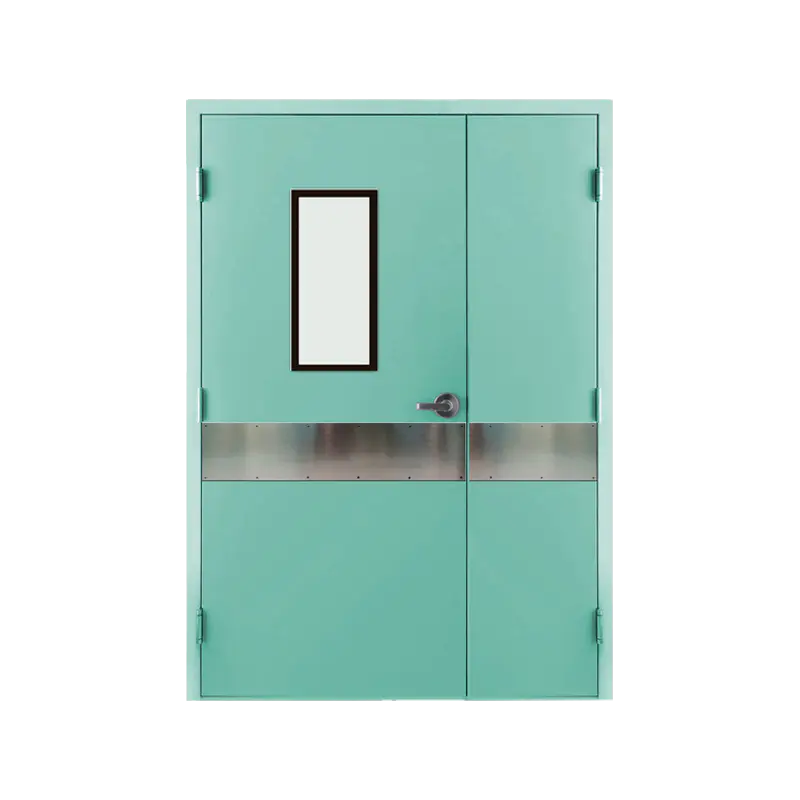
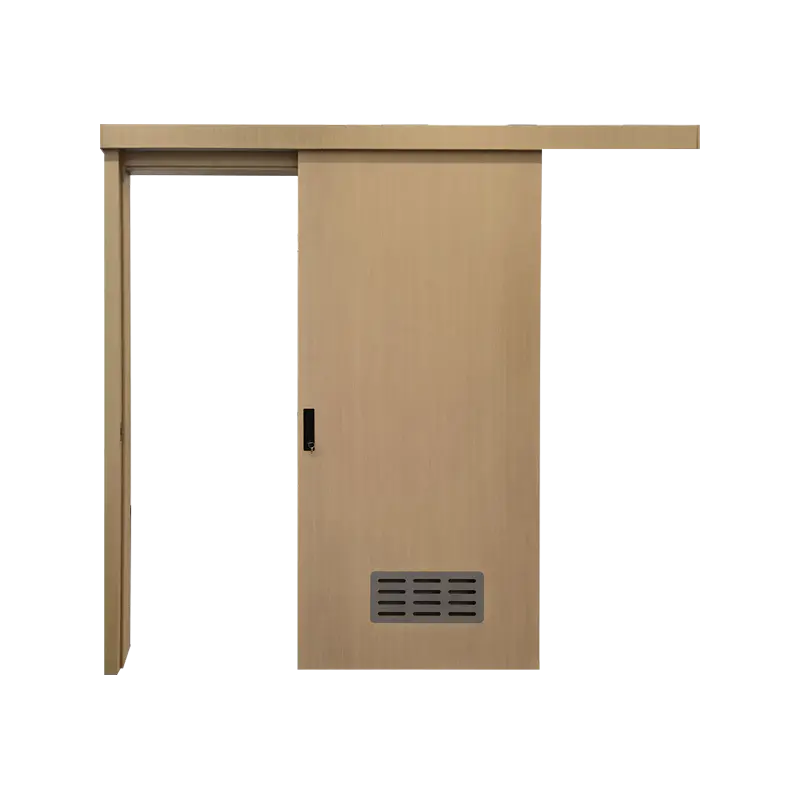
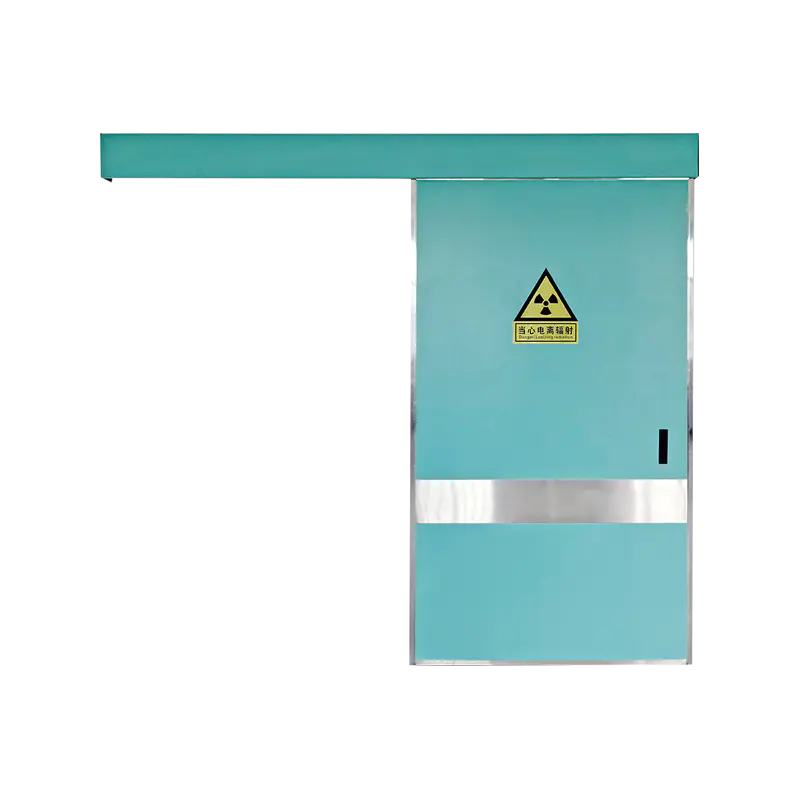
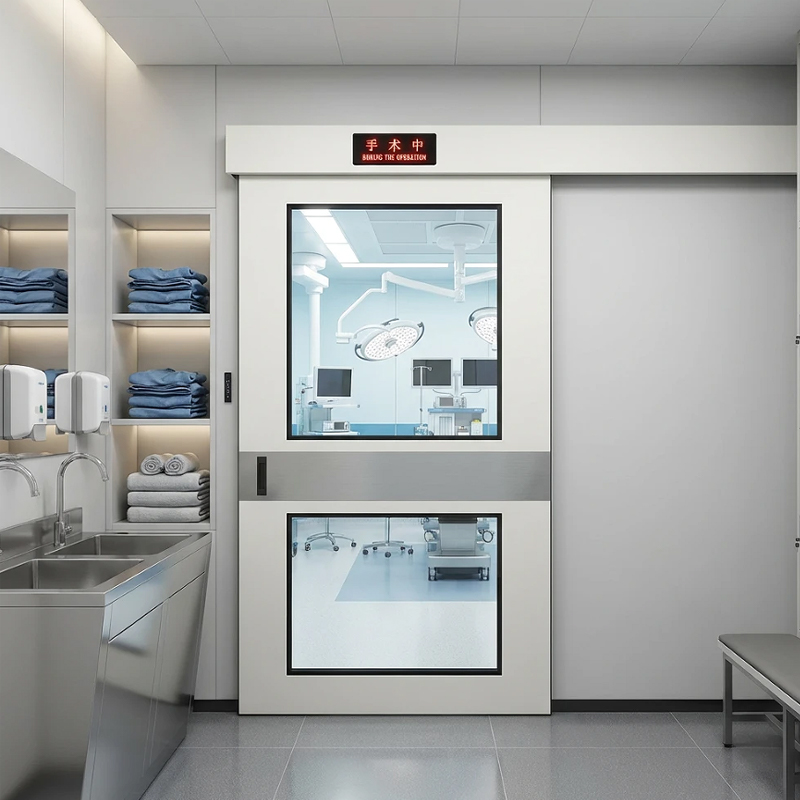
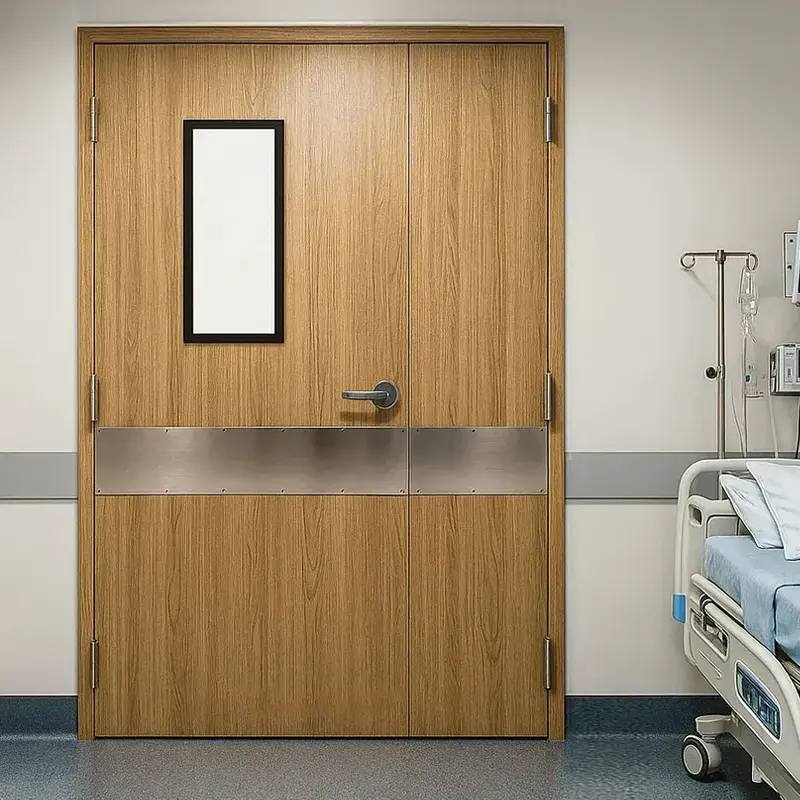
In medical spaces requiring zoned management, steel doors can also help clearly define functional areas, facilitating personnel flow management and hygiene control. Different opening methods, such as single-leaf, double-leaf, or designs with observation windows, can meet the needs of different usage scenarios.
Hygiene and Cleaning Requirements
Medical environments have high hygiene requirements; therefore, the surface material of the door should be easy to clean and disinfect. The surface of the steel door is smooth and does not easily attract dust; routine maintenance can be performed by wiping with regular cleaning agents. Compared to some other materials, steel doors exhibit greater stability under repeated disinfection conditions.
In clinical settings, door handles, hinges, and other hardware also require good durability. Choosing accessories with simple structures and smooth surfaces helps reduce dust accumulation points and ease of cleaning. Simultaneously, the installation positions of the accessories should conform to ergonomic principles, facilitating operation by medical staff and patients.
Installation and Construction Key Points
The installation quality of steel doors directly affects their usability. Before installation, the door opening dimensions must be accurately measured to ensure a proper fit between the door frame and the wall. The door frame should be securely fixed to prevent door deformation or difficulty in opening and closing due to uneven wall structures.
During construction, attention should be paid to controlling the gap between the door and the floor to ensure a good closure after the floor paving is completed. After installation, multiple opening and closing tests should be conducted to check the door lock, hinges, and sealing strips for proper functioning. If any problems are found, adjustments should be made promptly to ensure overall structural stability.
Furthermore, during the renovation of medical spaces, the installation sequence of doors should be coordinated with the construction of wall and floor materials to avoid affecting door precision due to overlapping work. A reasonable construction schedule helps improve the overall project quality.
Usage Environment and Adaptability
Clinical rooms have diverse usage scenarios, including general consultation rooms, treatment rooms, and nursing rooms. Different functional areas may have different priorities regarding door performance. For example, in spaces requiring strong privacy protection, an observation window design can be added to allow external observation without fully opening the door, improving management convenience.
In areas with high personnel flow, the structural stability of steel doors helps withstand the load from continuous opening and closing. At the same time, a reasonable sealing structure design can reduce air exchange to a certain extent, enabling more efficient air circulation management in conjunction with the indoor ventilation system.
Steel doors for medical and healthcare clinical rooms play a vital role in modern medical spaces. Their stable structural performance, high durability, and relatively convenient maintenance make them suitable for various clinical environments. In practical applications, design and installation should be tailored to specific space requirements, while daily maintenance and management should be emphasized.
Your email address will not be published. Required field are marked*

Product Recommendations
Explore Our Medical Door Solutions
Contact Information
No. 87, Xingwang Road, Zaotang Industrial Zone, Xicheng Street, Yongkang, Zhejiang, China
+86-13758983507
+86-579-87321128
Mobile


 English
 Español