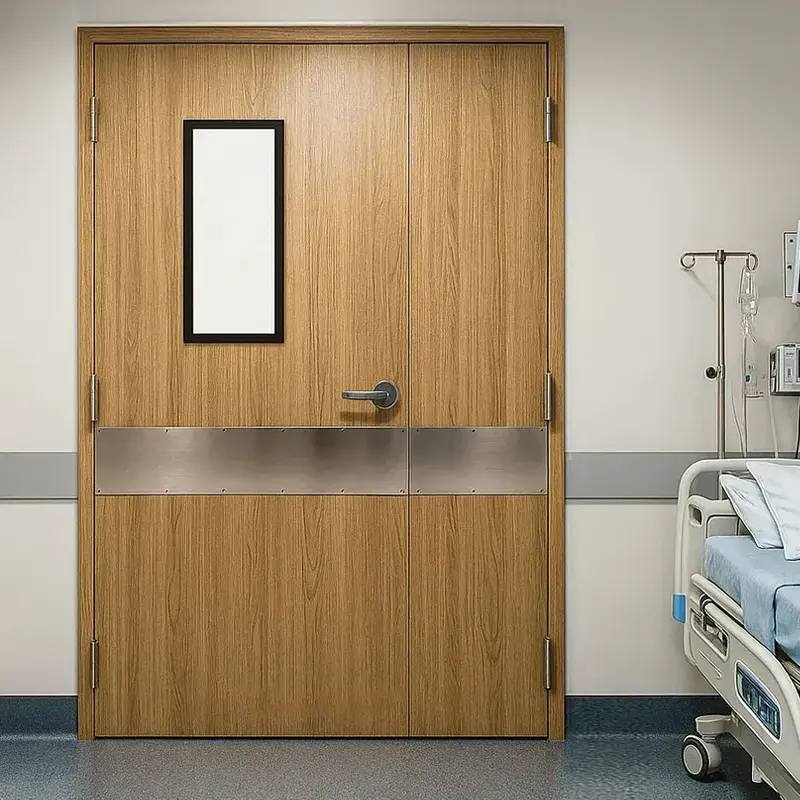
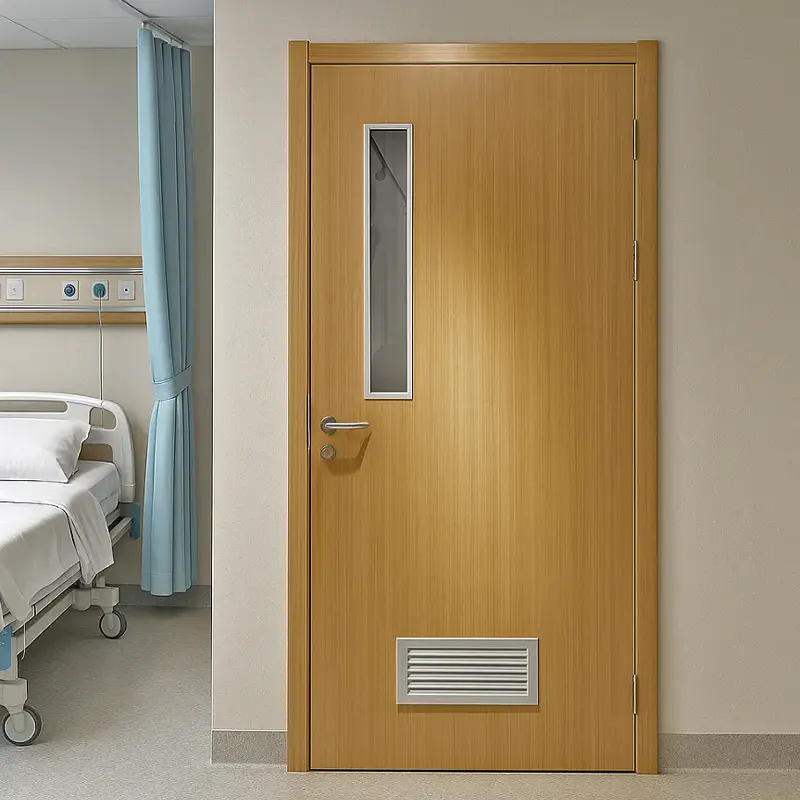
Walk into a cold storage warehouse and the first thing that hits isn't the temperature — it's the sound the door makes closing behind you. A dull, heavy thud, followed by a faint hiss as the gasket compresses against the frame. That sound is doing more work than people realize. It's the difference between a room that holds its temperature and one that slowly bleeds cold air out through gaps most people wouldn't even notice.
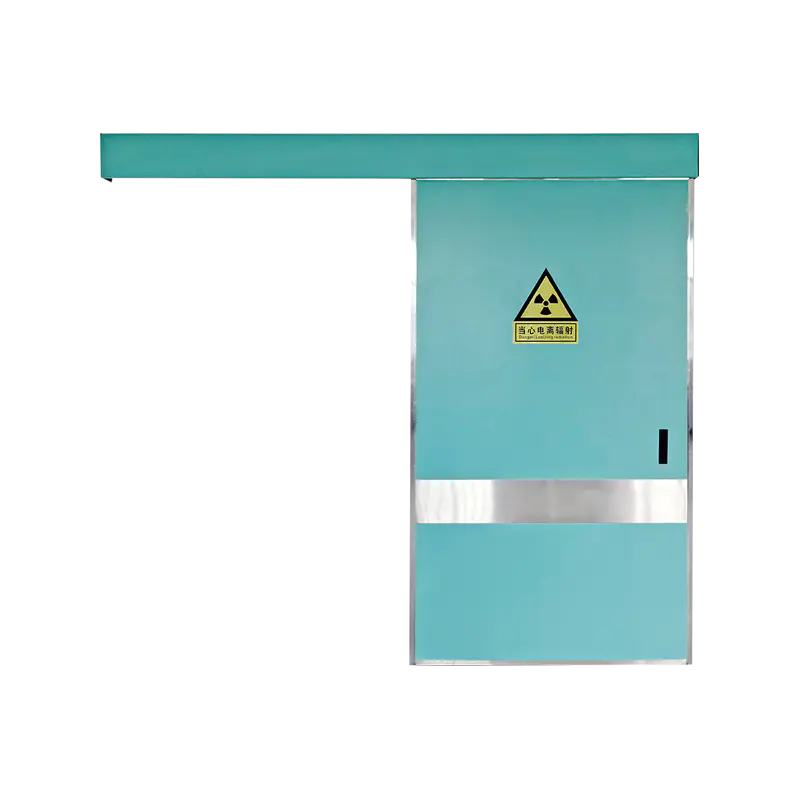
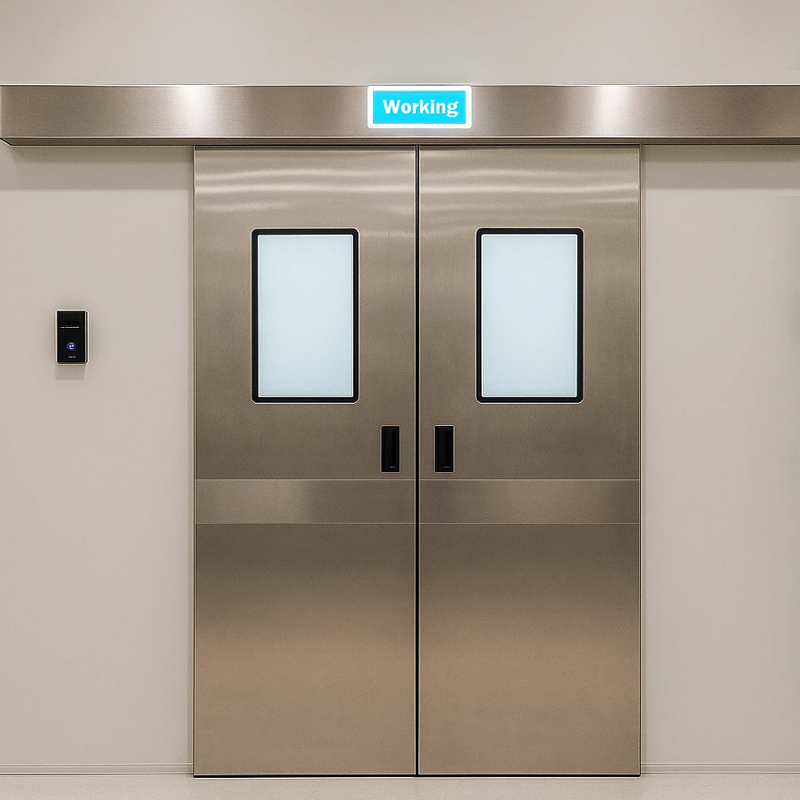
Sealed doors show up in more places than the obvious cold storage example. They're in hospital clean rooms, recording studios, industrial freezers, laboratories handling sensitive samples, and even certain residential applications where soundproofing or draft control matters. The common thread across all of them is the same basic goal — keeping whatever's on one side of the door from mixing with whatever's on the other, whether that's temperature, air pressure, sound, or contaminants.
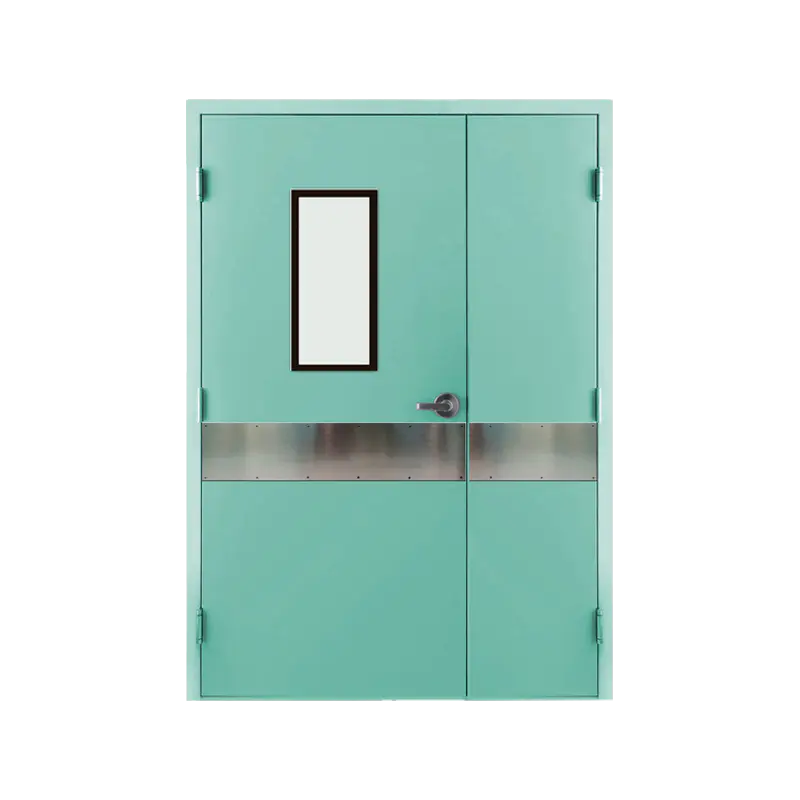
A regular door and a sealed door can look nearly identical from a few feet away, which is part of why buyers sometimes get surprised by the price difference once they start comparing options. The distinction lives in the details around the edges — literally. Gasket material running along the frame, compression seals at the threshold, and sometimes magnetic strips embedded into the door's perimeter all work together to close off the gaps a standard door simply leaves open.
The gasket itself carries a lot of the responsibility. Rubber, silicone, and foam-based gaskets each behave differently depending on temperature range and how often the door gets used. A gasket built for a walk-in freezer needs to stay flexible in cold conditions without cracking, while one used in a sound-dampened studio door prioritizes density over cold tolerance. Picking the wrong gasket material for the application is one of the more common mistakes buyers run into, and it usually shows up months later as a slow performance drop rather than an obvious failure on day one.
The range of settings that call for sealed doors is wider than most people assume walking in:
Each of these applications pulls the design in a slightly different direction, even though the underlying idea — closing the gaps — stays the same. A clean room door prioritizes keeping particles out rather than temperature control. A studio door cares almost entirely about sound dampening and barely at all about airflow. Buyers sourcing sealed doors sometimes assume one design handles every use case, but a door built for cold storage often performs poorly if it's dropped into a soundproofing application without modification.
Here's the part that surprises people who haven't worked with sealed doors before — a tighter seal usually means a heavier door, and a heavier door changes how it behaves day to day. Hinges need to be rated for more weight, closing mechanisms often need adjusting so the door doesn't slam from its own momentum, and in high-traffic areas, that added weight can turn into a maintenance headache if the hardware wasn't sized correctly from the start.
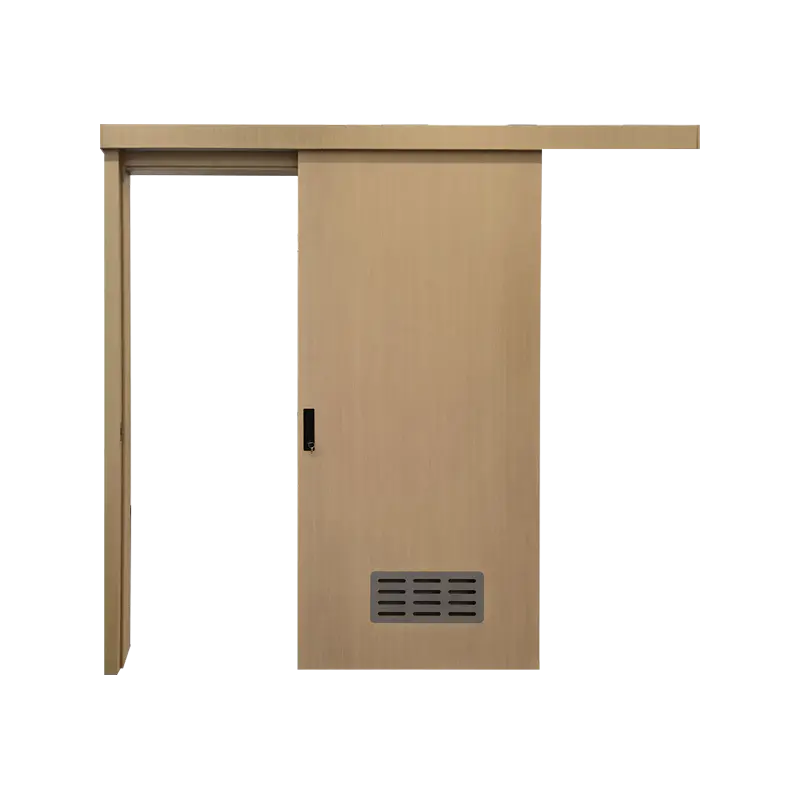
There's also a usability trade-off worth mentioning. A sealed door sealed tightly enough to hold a significant pressure differential can be genuinely difficult to open by hand, especially in cold storage settings where pressure builds up on one side. Some facilities address this with pressure-equalizing vents built into the frame, though that's a design choice that has to be made deliberately rather than added as an afterthought once the door's already installed.
Your email address will not be published. Required field are marked*

Product Recommendations
Explore Our Medical Door Solutions
Contact Information
No. 87, Xingwang Road, Zaotang Industrial Zone, Xicheng Street, Yongkang, Zhejiang, China
+86-13758983507
+86-579-87321128
Mobile


 English
 Español