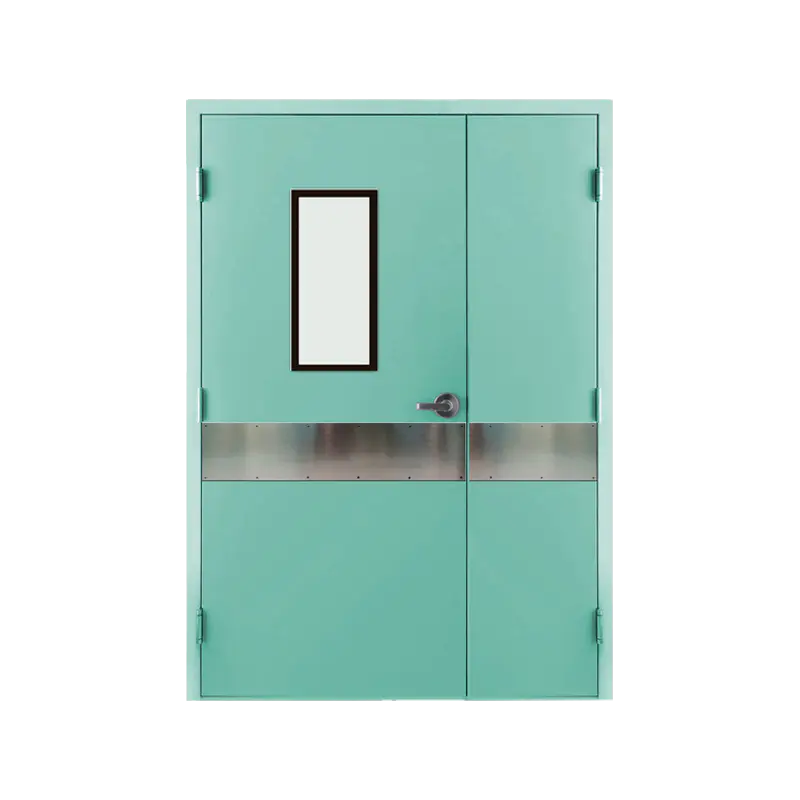
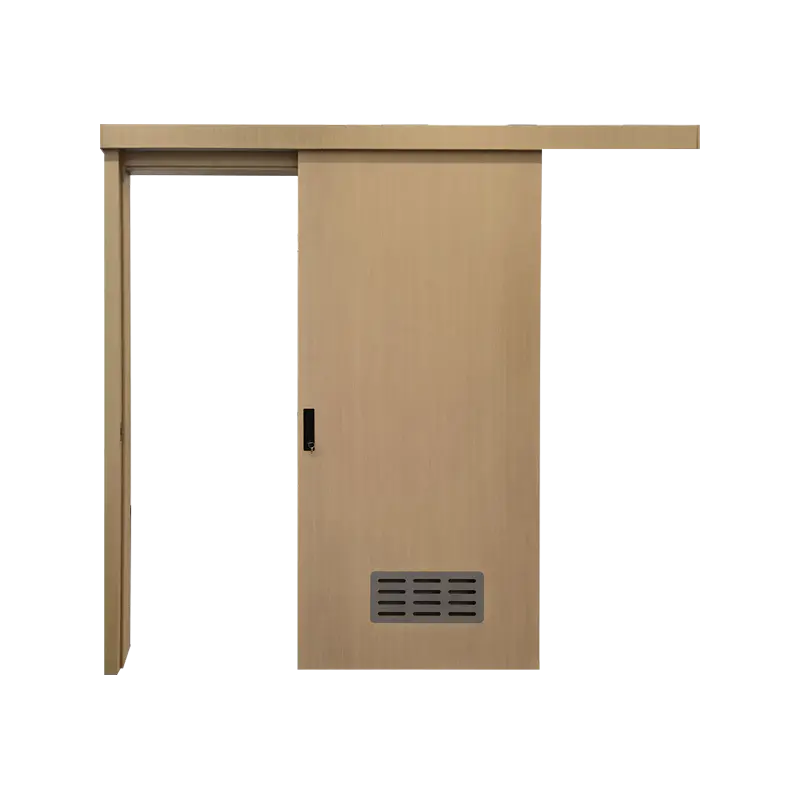
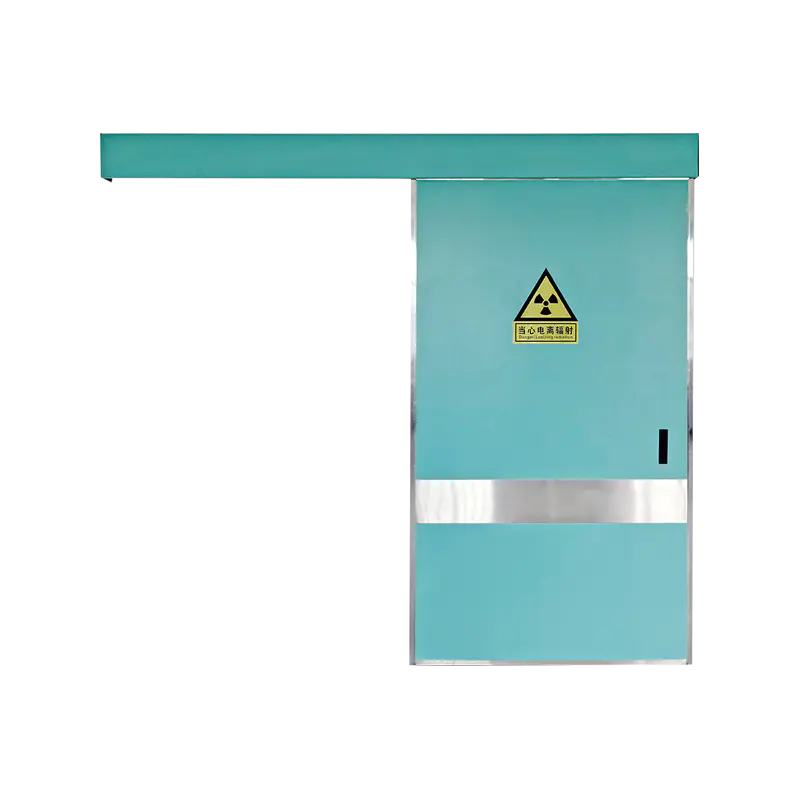
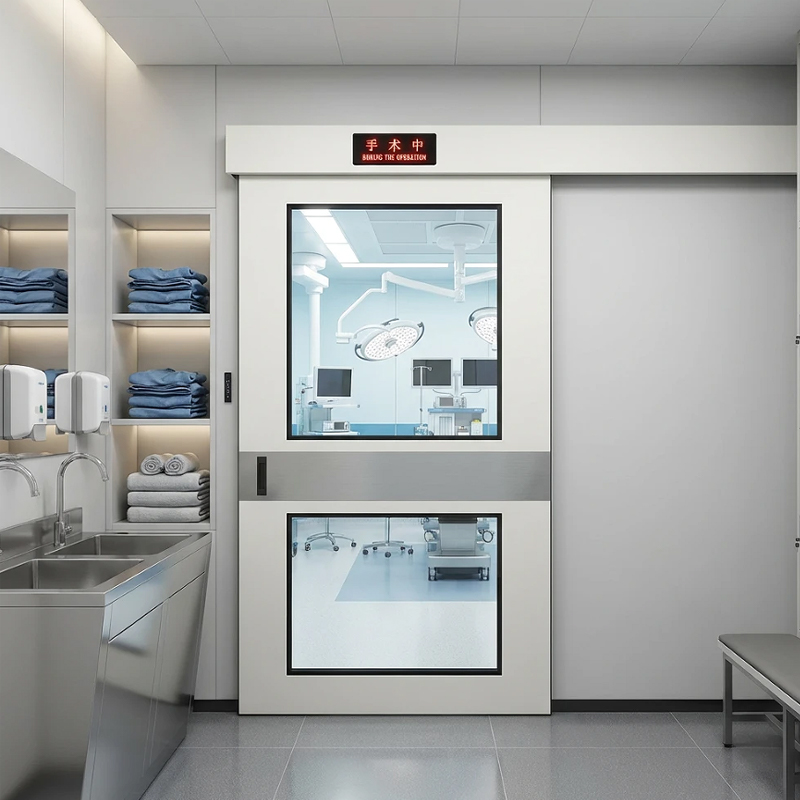
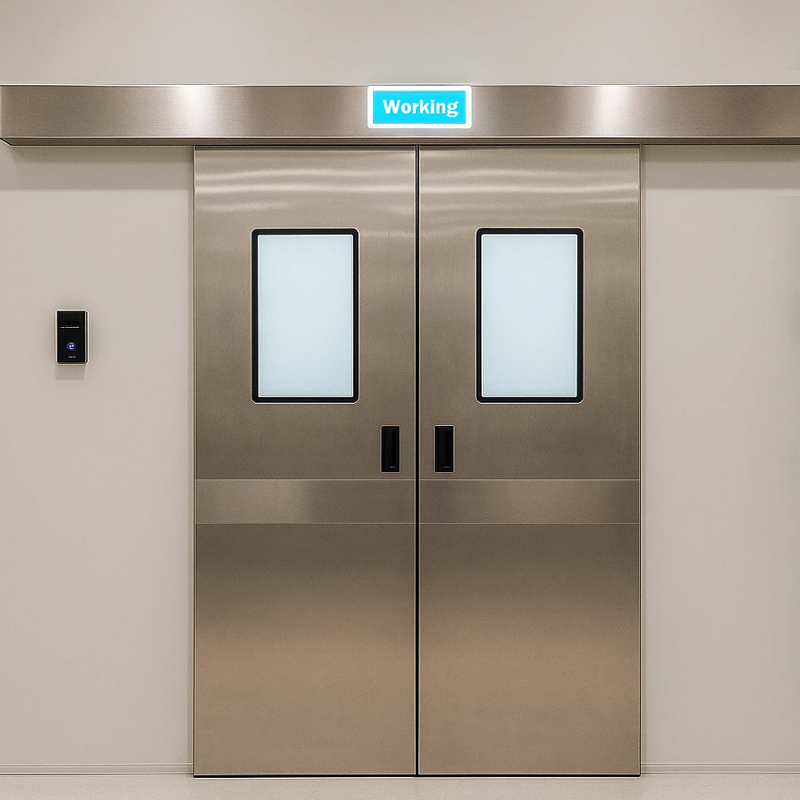
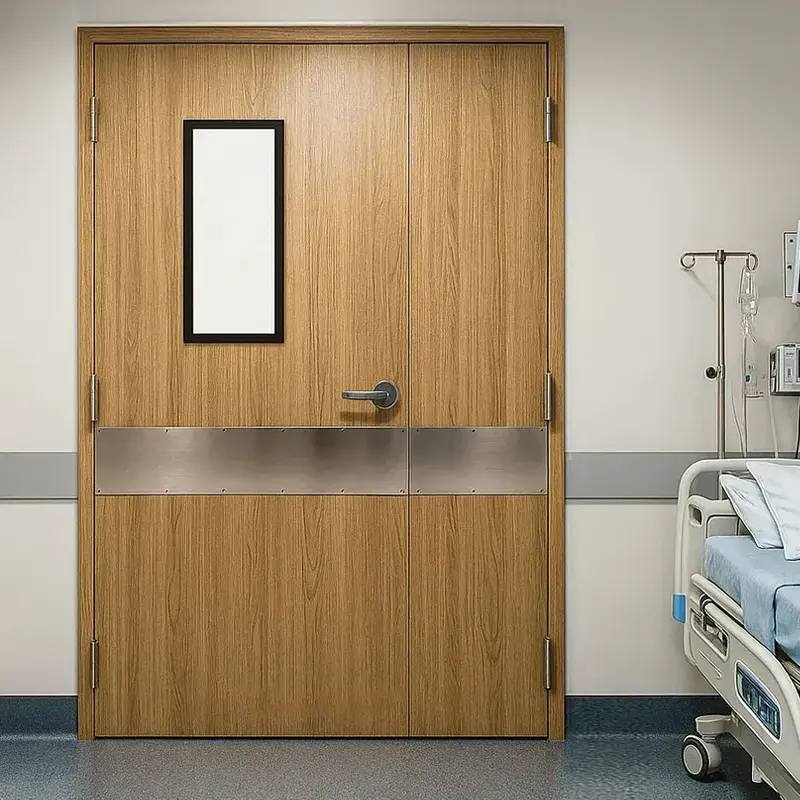
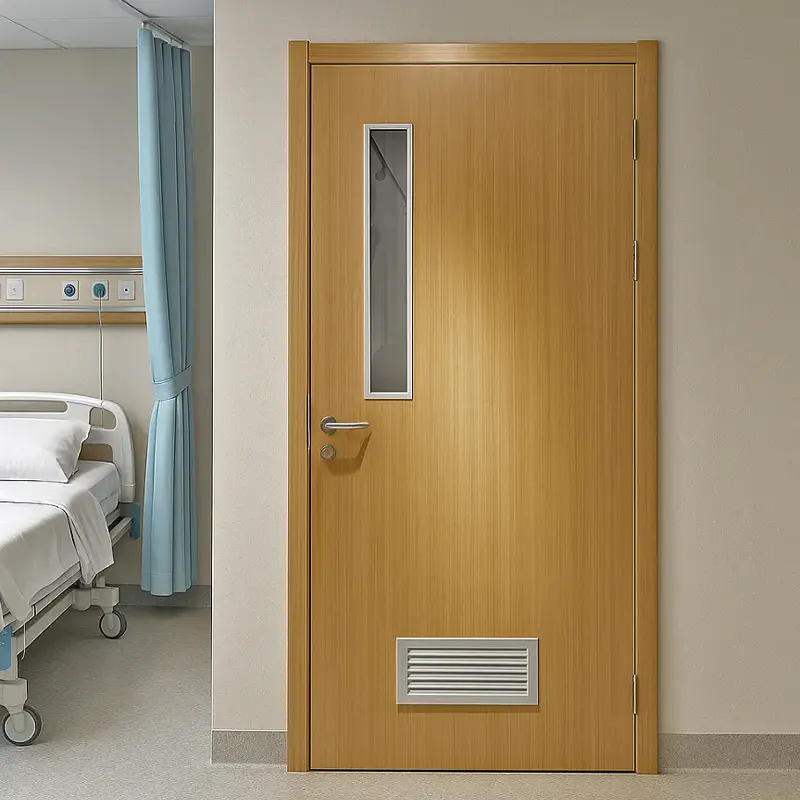
Sealed doors serve an important role in various buildings, from industrial facilities to office spaces and residential units. The primary function of a sealed door is to provide a tight barrier that separates areas, preventing the transfer of air, noise, or particles. This characteristic makes them valuable in environments where maintaining specific conditions is essential.
The design of sealed doors typically involves heavy-duty frames combined with high-quality sealing materials. Rubber or silicone gaskets line the edges, ensuring that when the door closes, minimal air passes through. This tight closure also helps in controlling internal environments, such as reducing unwanted airflow or limiting sound leakage between rooms.
Sealed doors are constructed to fit precisely within their frames. Manufacturers carefully measure door panels and frames to minimize gaps. Hinges and locking mechanisms are engineered to hold the door in position without compromising the seal. This attention to detail ensures that doors maintain their functional qualities over time.
The construction of sealed doors involves several key components. The main door panel is typically made of metal, wood, or composite materials. These panels are reinforced to provide rigidity, supporting the seal and the door’s weight. Around the edges, gaskets and seals are installed to prevent air, dust, or moisture from passing through.
Manufacturers also consider the alignment of the frame and door panel. Even a small misalignment can reduce the sealing efficiency, so precise measurements are essential. Hinges are often designed to handle heavy panels while keeping the door properly aligned, and handles or locking systems are integrated without compromising the seal.
In addition to structural elements, sealed doors often include auxiliary features. Some doors incorporate viewing panels or small vents that can open or close depending on operational requirements. These features allow users to monitor or adjust conditions without fully opening the door, preserving the sealed environment.
Control of tolerances during production is critical. Manufacturers use advanced tools to measure and cut materials precisely. Quality control processes include checking panel straightness, seal compression, and overall fit. This ensures that each sealed door meets functional standards consistently.
A sealed doors manufacturing facility combines automated production processes with skilled craftsmanship. Large cutting machines prepare metal or wood panels to exact dimensions, while assembly stations install frames, gaskets, and hinges. Each step focuses on maintaining alignment and sealing accuracy.
Quality inspection is an integral part of production. Doors are tested for airtightness, fit, and ease of operation. Pressure tests, visual inspections, and alignment checks ensure that the final product functions as intended. Any deviations are corrected before the door is shipped, maintaining consistency in the manufacturing process.
Sealed doors are used in a wide variety of settings. In industrial facilities, they help contain dust, fumes, or temperature-controlled environments. In residential or commercial spaces, they reduce noise and contribute to energy efficiency by limiting airflow between rooms. Their versatility allows them to support multiple operational needs without compromising performance.
Manufacturers produce sealed doors in a range of sizes and styles. Smaller units may serve individual offices or storage rooms, while larger doors support warehouses, laboratories, or specialized rooms. Despite differences in size, the construction principles remain consistent: reinforced panels, tight seals, and precise installation.
Durability and reliability are key considerations. Sealed doors must withstand repeated opening and closing without degrading the seal. Materials selection, precision engineering, and careful assembly all contribute to the door’s ability to perform consistently.
Your email address will not be published. Required field are marked*
Product Recommendations
Explore Our Medical Door Solutions
Contact Information
No. 87, Xingwang Road, Zaotang Industrial Zone, Xicheng Street, Yongkang, Zhejiang, China
+86-13758983507
+86-579-87321128
Mobile


 English
 Español